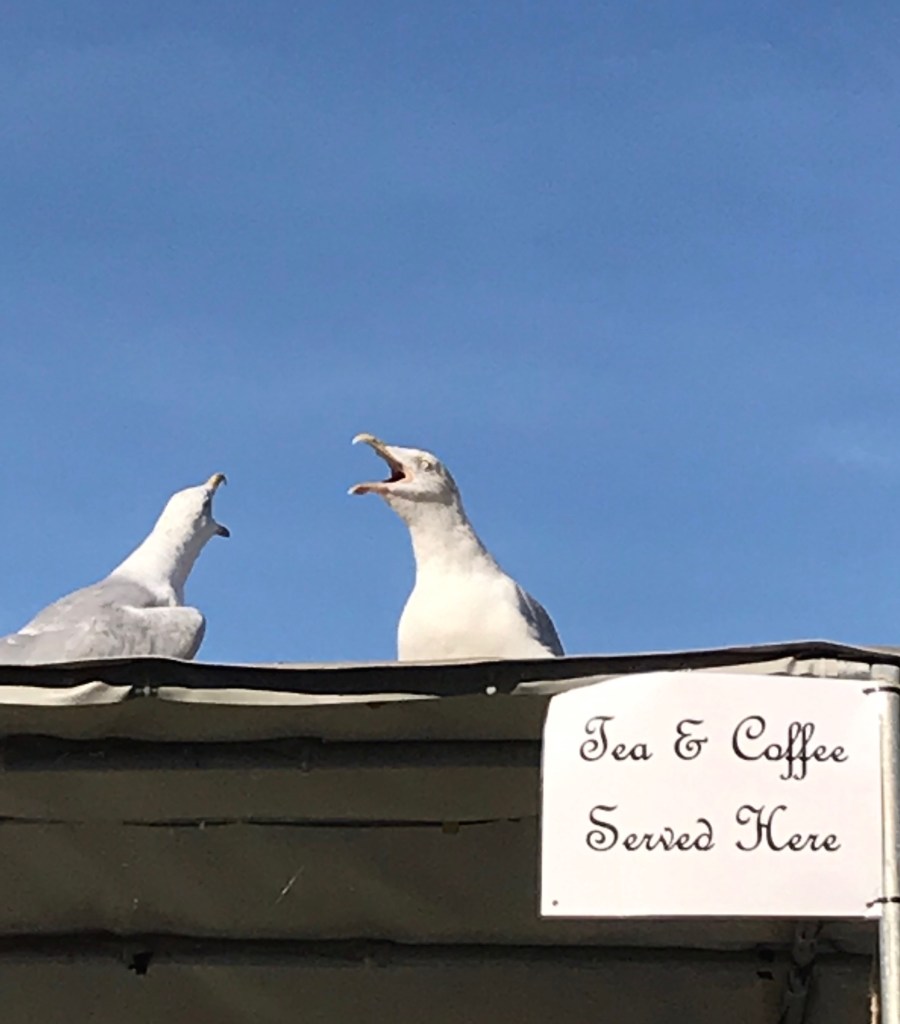
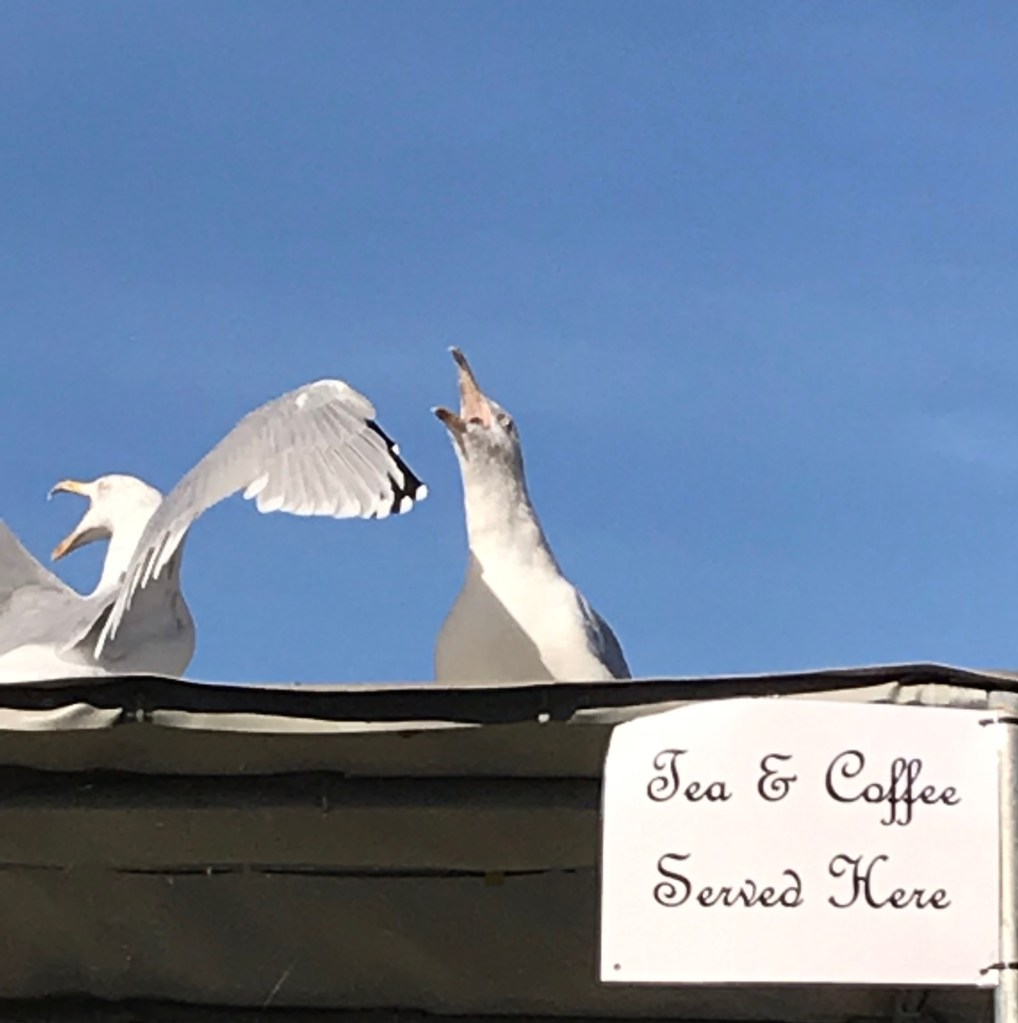
DAY 168 (20 SEPTEMBER) – Common gull (Larus canus) (Sandwich, Kent)

I think we’re just too understated, Gulliver
A visual journey through the Financial Year 2019-20 by Jenny Rivarola
DAY 168 (20 SEPTEMBER) – Common gull (Larus canus) (Sandwich, Kent)
DAY 167 (19 SEPTEMBER) – Sea kale (Crambe maritima) (Deal, Kent)
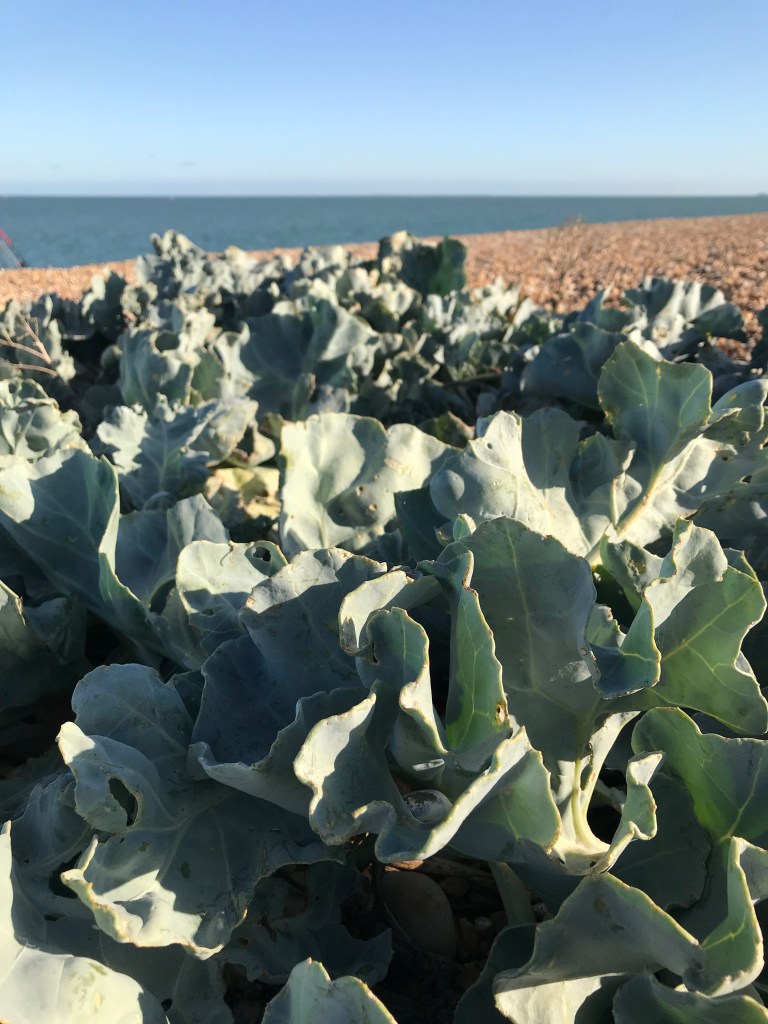
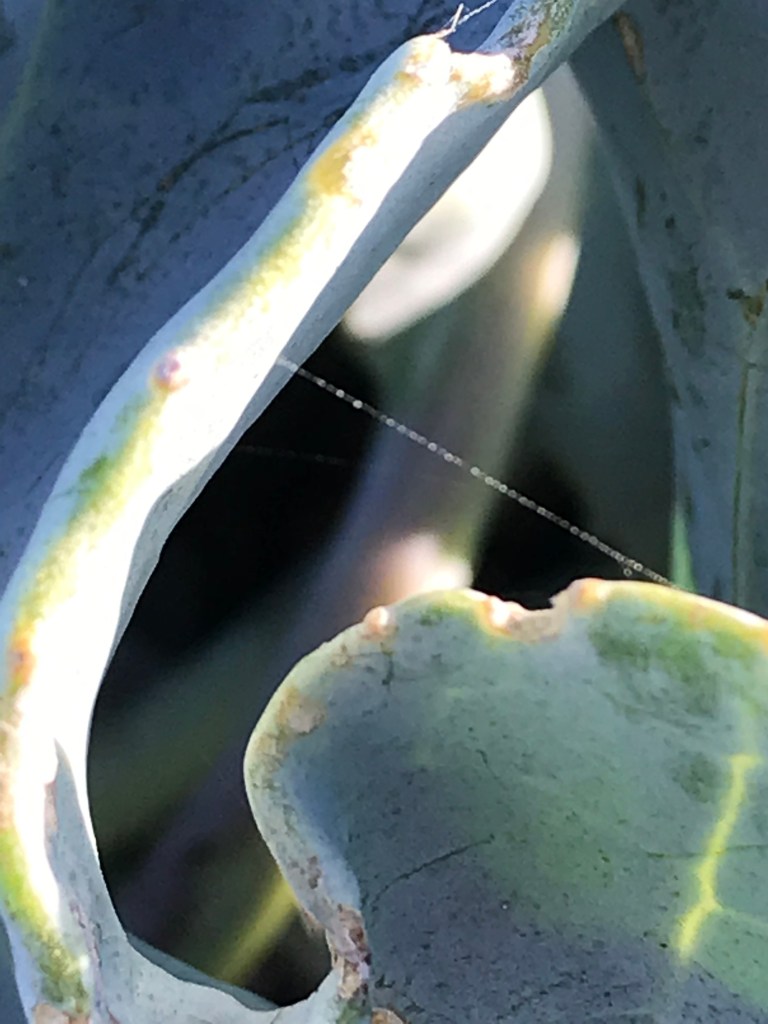
At a distance this looked just like cabbage, but on closer inspection its thick leaves resembled a succulent. I’ve never it seen before, though I read it’s common above the high tide mark on shingle beaches.
Apparently the shoots are edible and served steamed with bechamel sauce or melted butter. Glimpsing the French coast on the horizon, I wonder if it would appear on their menus…
DAY 166 (18 SEPTEMBER) – Staghorn sumac (Rhus typhina) (Farnham)

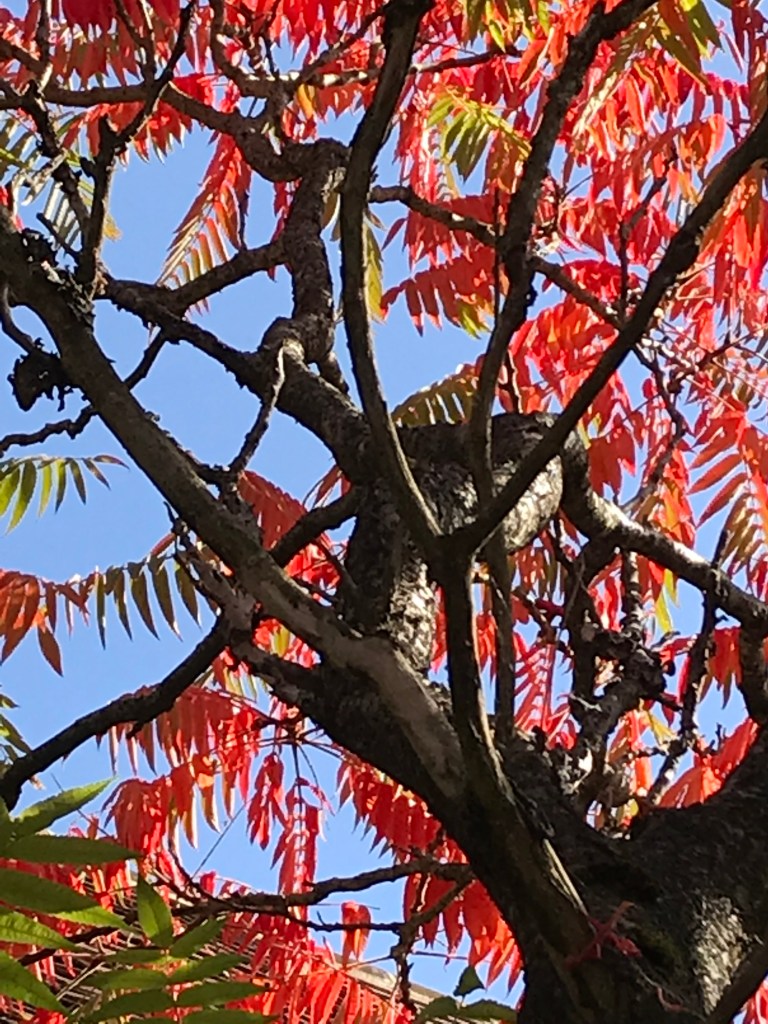
The eagle-eyed among you may have noticed I featured this North American native tree in a late June post. Then it was summer-green and had large cone-shaped white flowers. But I prefer it now, in all its autumnal glory. I’m still waiting for the promised fruits, though … Or perhaps I missed them?
DAY 165 (17 SEPTEMBER) – Pampas grass (Cortaderia selloana) (Farnham)

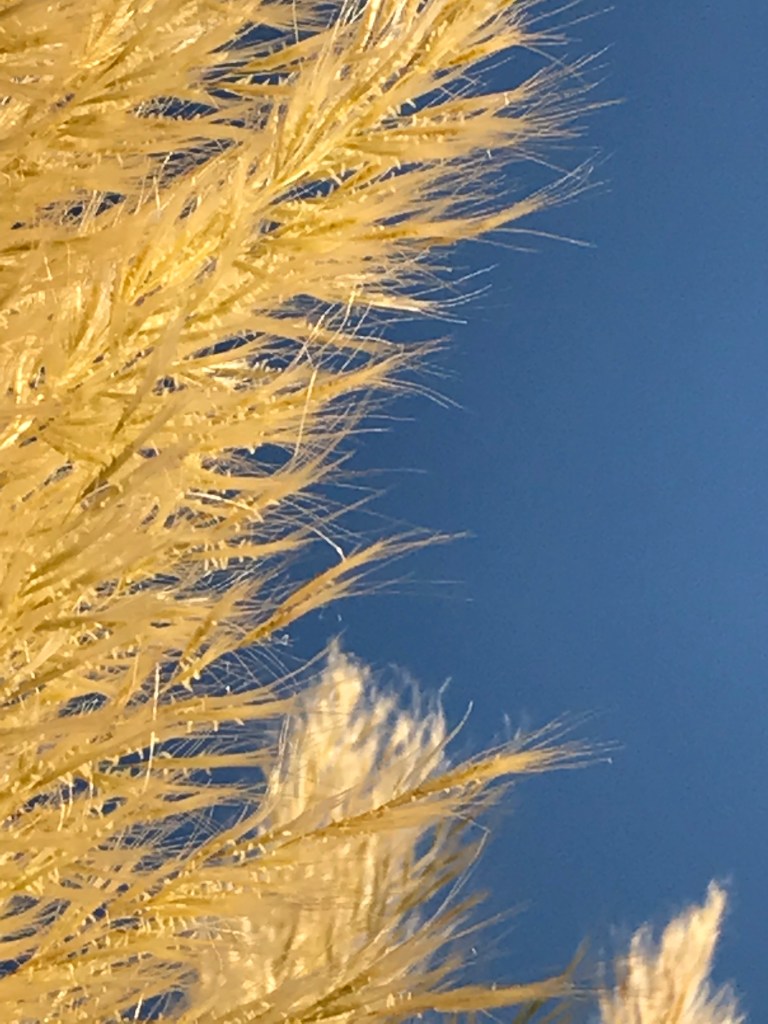
Well, well. Who would have thought? According to various media reports from 2017, sales of pampas grass plummeted from the mid-noughties (or should that be naughties) because it became associated with swingers. The theory was it was planted out at the front as a signal to others of the same persuasion to … well, knock on the door I suppose.
Less surprising is that it’s native to the southern part of South America, notably the Pampas region.
Anyway, just in case, I’m not revealing the address of the nice cottage behind this golden display against the blue sky.
DAY 164 (16 SEPTEMBER) – Buddleia (Buddleia davidii) (Farnham)
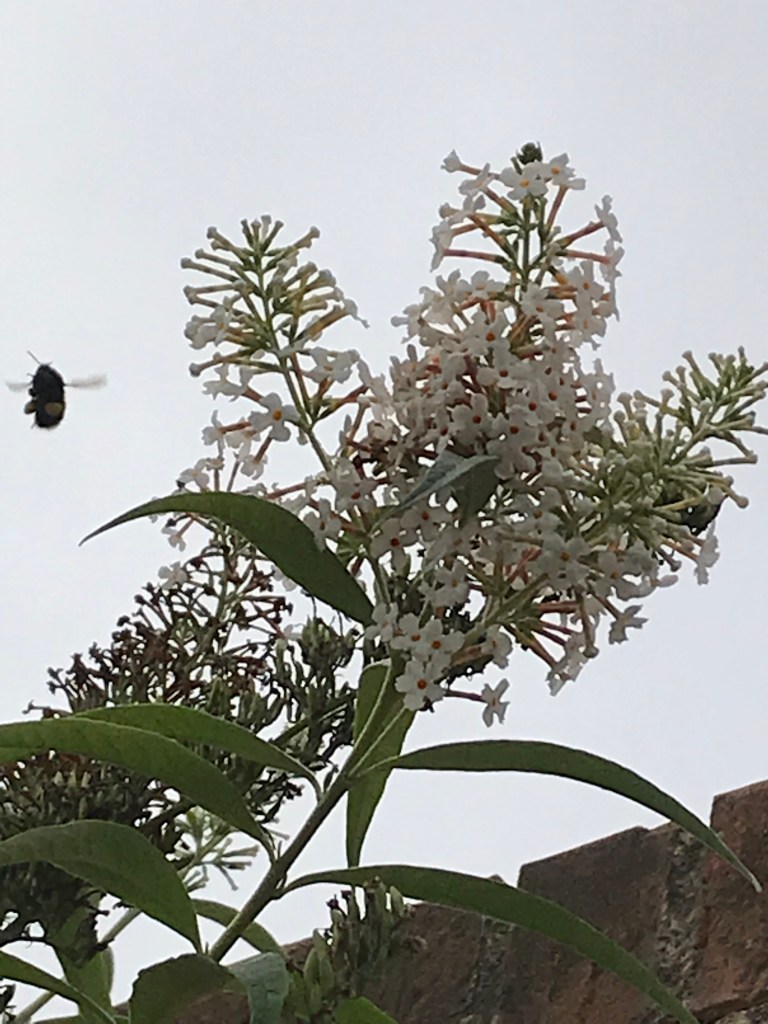

I’ve been putting off the inclusion of buddleia in my diary, on the grounds I thought it was a bit dull. But spotting these white flowers down a little lane made me take a detour from my walk. I also like the sculpural shapes they make against the cloudy sky.
Surprisingly to learn the plant is endemic to Asia, Africa and the Americas. Almost everywhere except here. No idea why, but it was named after the Reverend Adam Buttle, a 17th century botanist and rector.
DAY 163 (15 SEPTEMBER) – Elm-leaf blackberry (Rubus ulmifolius) (Farnham Park)
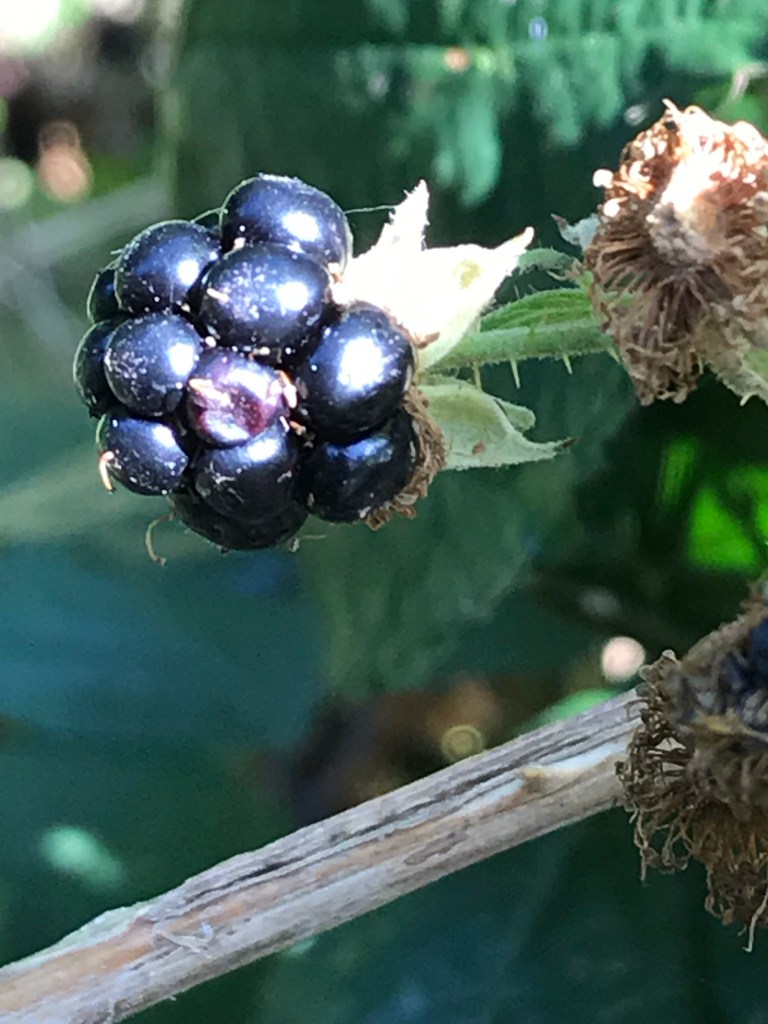

What do kupina sladkoplodna, stredozemsky and jalavakarhunvatukka have in common? Apart from sounding like something John Cleese might have spilled out with elaborate hand gestures and drooping mouth when he was trying to sound foreign, they are respectively the Bulgarian, Czech and Finnish words for blackberry. Or more precisely these elm-leaf blackberries I found in the park today.
I thought I’d better include them in this blog before the burghers of Farnham picked and tossed them all into the various pots and pans they bring out to carry them home. Stredozemsky crumble anyone?
DAY 162 (14 SEPTEMBER) – Oregon grape (Mahonia aquifolium Pursh) (Farnham, UK)

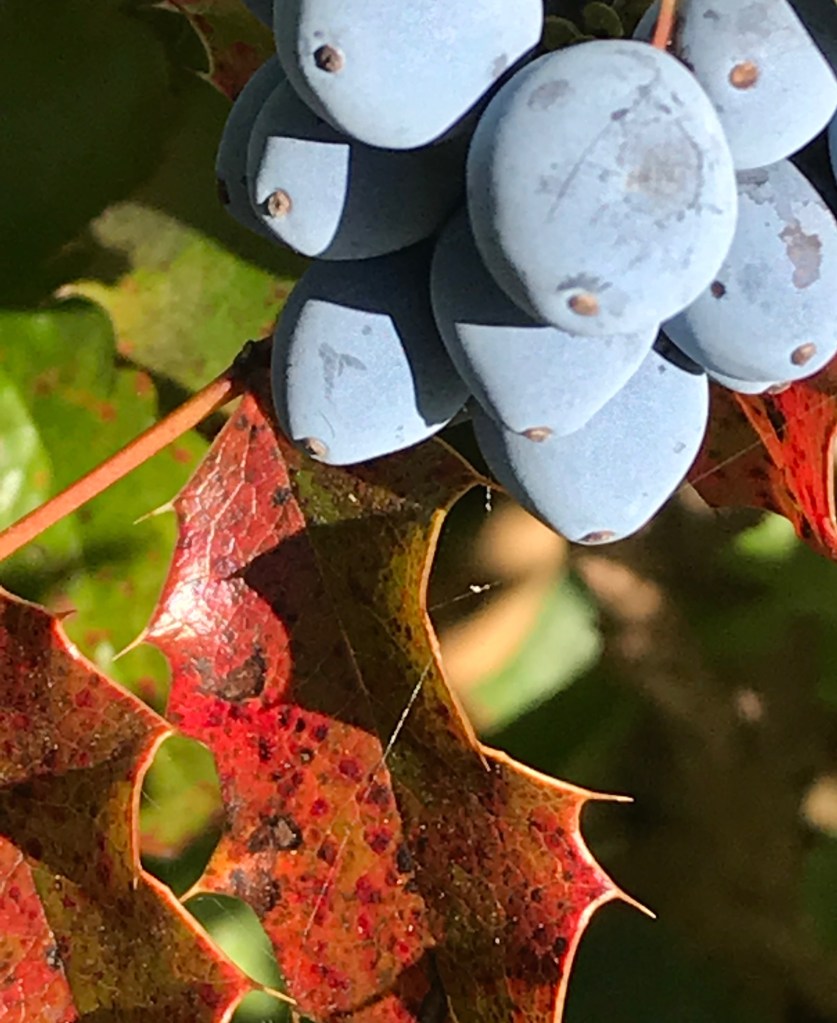
I returned to my study of the hedge around Waitrose car park today. This is such an striking autumnal sight. The holly-style leaves on the turn against the grape-look-a-like berries.
I read the berries are used to treat stomach ulcers and acid reflux disease. How appropriate next to the supermarket.
DAY 161 (13 SEPTEMBER) – Red admiral (Vanessa atalanta) (Farnham, UK)


Coincidentally butterflies were in the news today. The painted lady topped the table in the Big Butterfly Count 2019 run by Butterfly Conservation. But it was red admirals making a splash in our garden (only at number 7 in the count). This one’s perching on a Japanese anemone. If you zoom in on its head, it’s rather bat-like.
Apparently the males are very territorial (surprise surprise) and fly around the perimeter of their patch (an oval of about 7 x 12 metres) up to 30 times per hour to ward off intruders.
A depressing fact: in northern Europe they are one of the last butterflies to be seen before winter sets in. But we definitely aren’t there yet.
DAY 160 (12 SEPTEMBER) – Sloe (Prunus spinosa) (Farnham, UK)

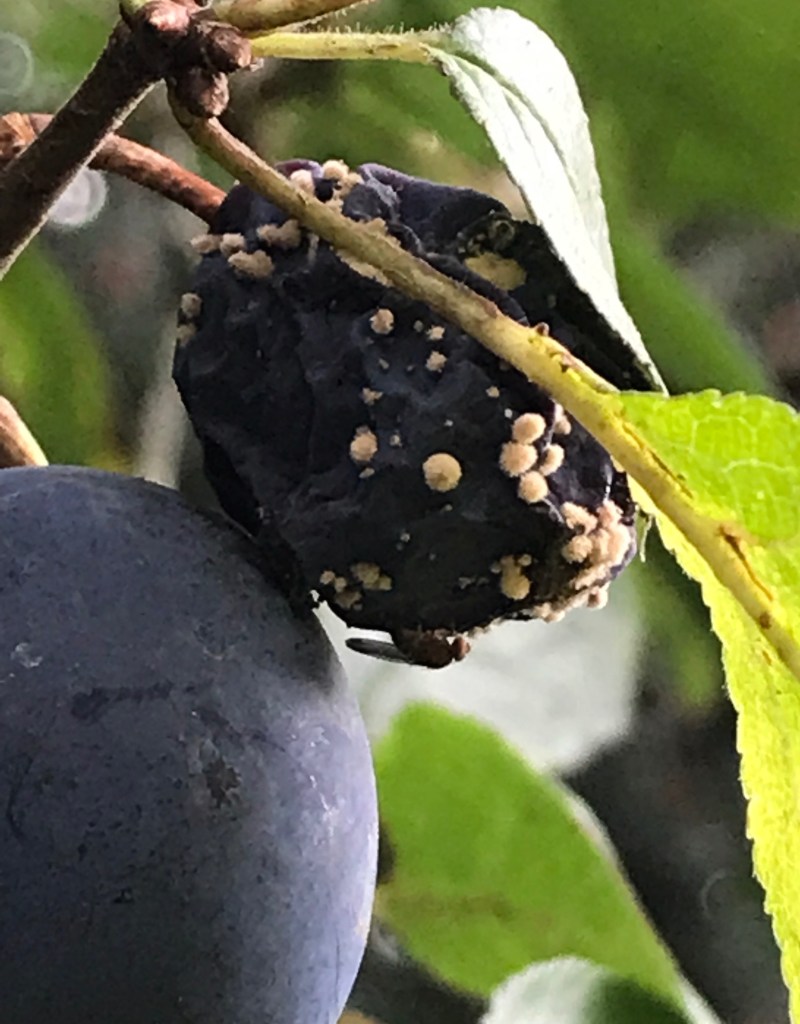
Well this one was a dilemma. I’d assumed it was a plum, but I think the fruit is too small. So I’m going for a sloe (or blackthorn), even though I didn’t see any thorns… Unless it’s a damson?
This is another from nature’s collection behind the local library. It’s like entering a secret garden (yes, there is a special gate to go through which is locked after library hours). And at the end, around the corner, is an abandoned tennis court covered with moss.
I was intrigued by the red blobs oozing out in the first picture. And by the shrivelled fruit in the second.
DAY 159 (11 SEPTEMBER) – Cedar of the Himalaya (Cedrus deodara) (Farnham, UK)
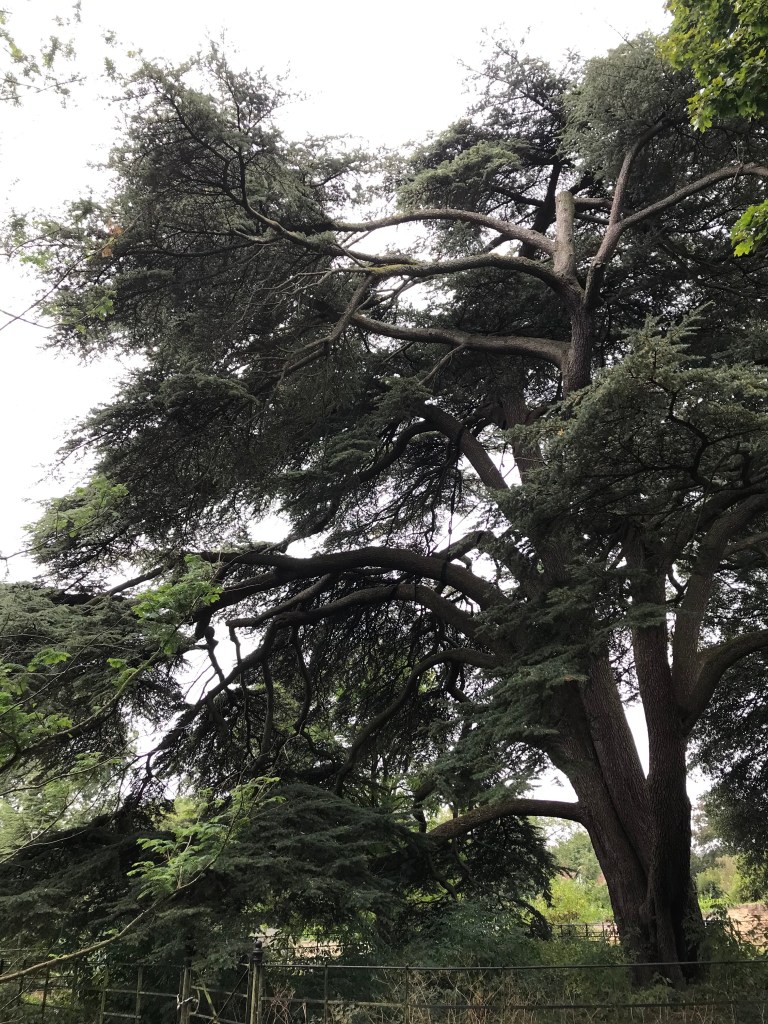
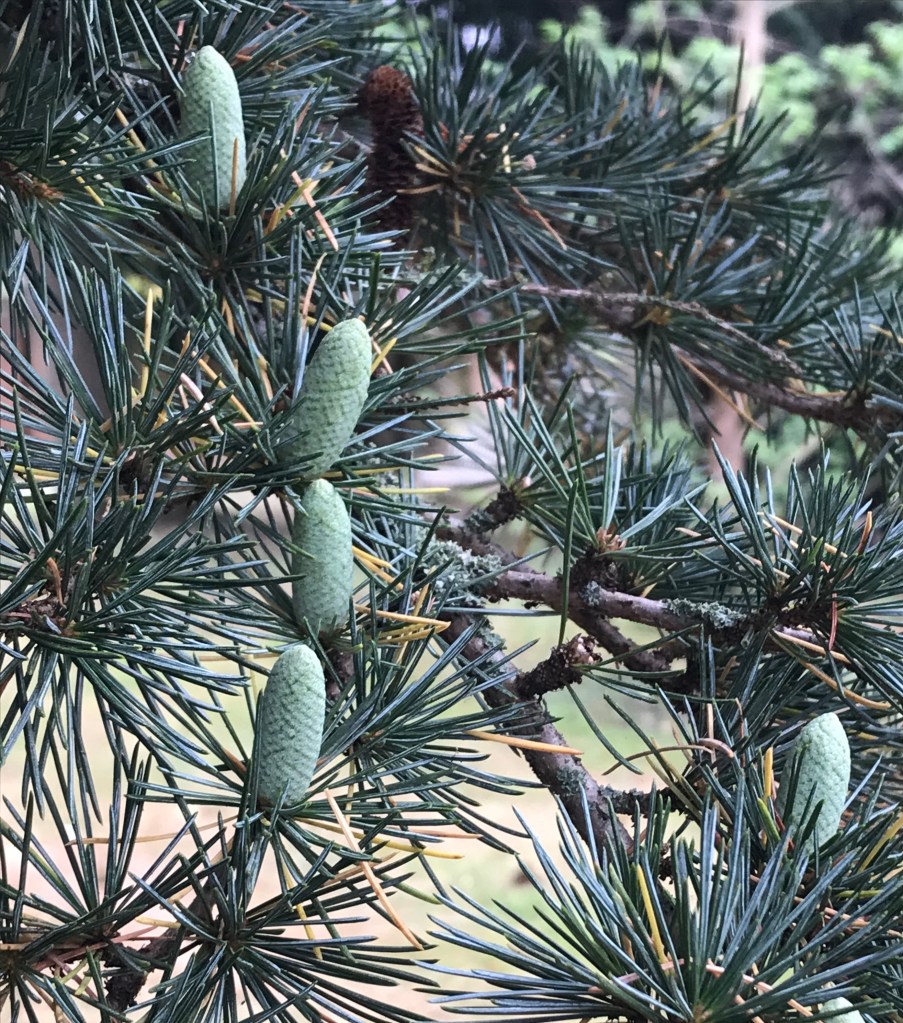

Sounds a bit pretentious claiming that I’ve found a Cedar of the Himalaya in Farnham Library gardens. But so claims my trusty plant identification site. The name comes from the Sanskrit ‘devadaru’ meaning ‘wood of the gods’. In India it’s worshipped as a divine tree. And you can see what they mean. I couldn’t stop looking at it.
 365 DAYS OF NATURE