Winter references

DAY 128 (11 AUGUST) – Snowberry (Symphoricarpos albus) (Farnham)
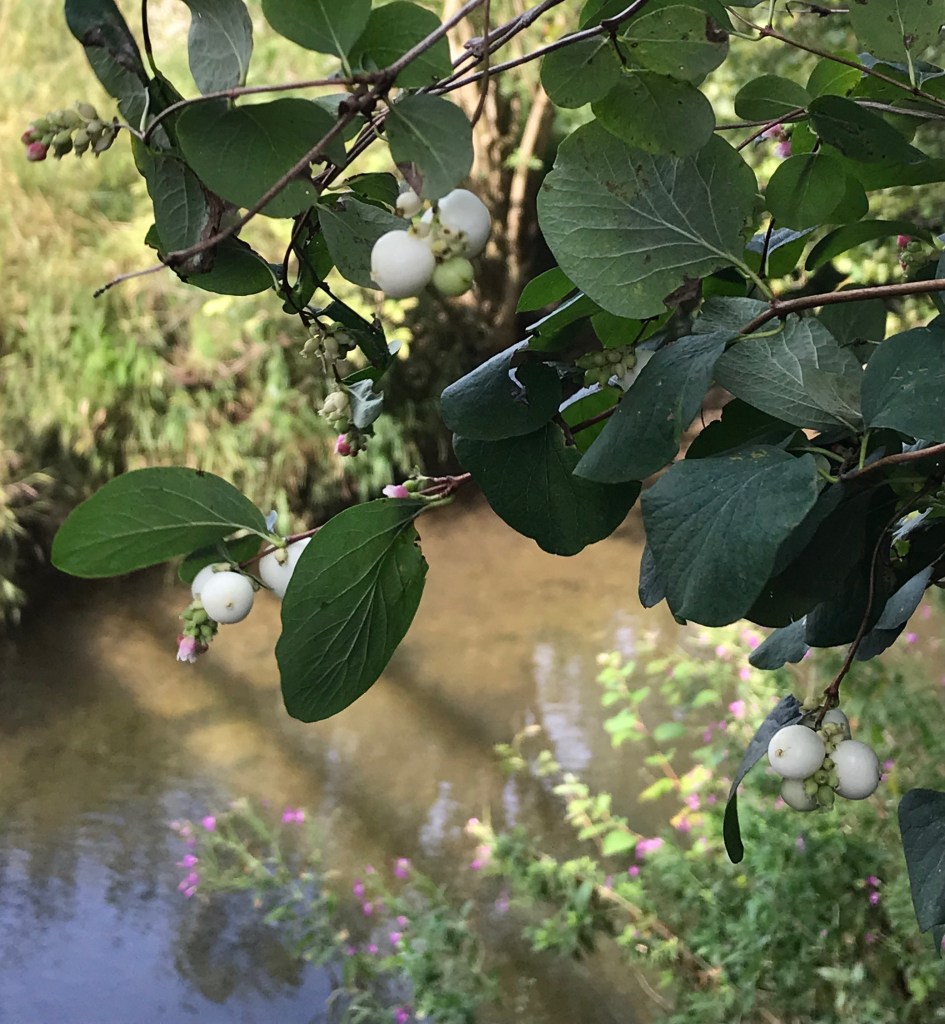
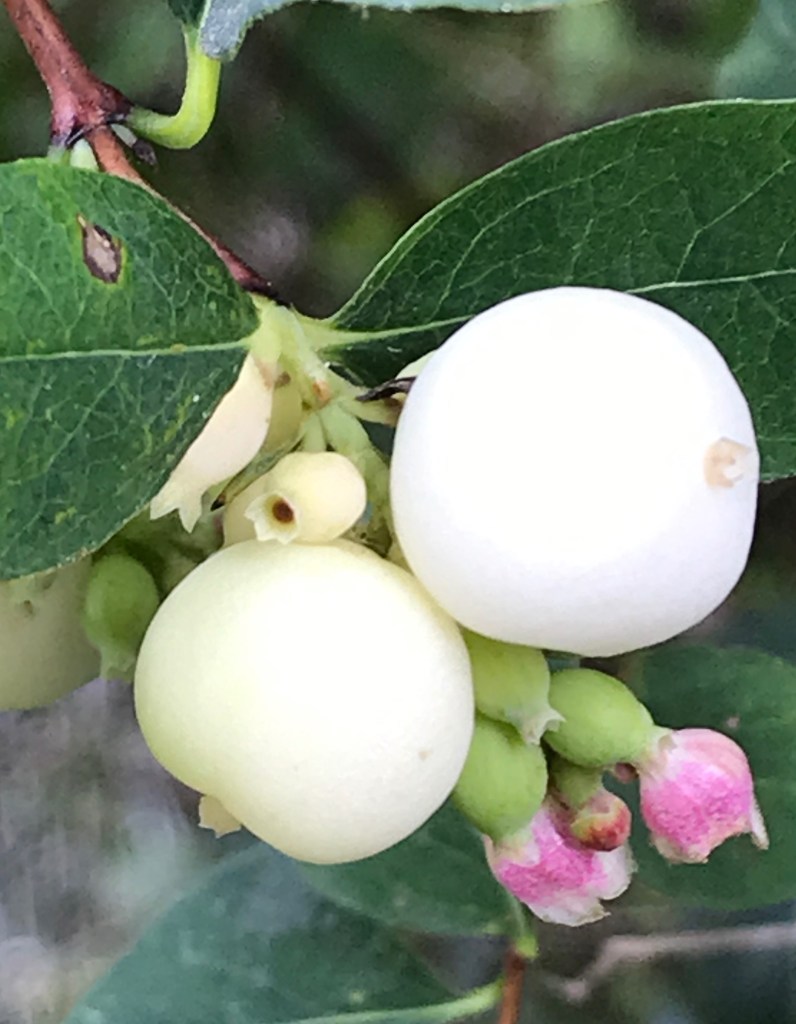
Inevitable I suppose that this diary will be full of berries before we know it. These lychee-like fruits, together with their emerging pink flowers, were overhanging the river Wey.

My husband said he used to stamp on them to make them pop. Their name apparently comes from the fact that when broken open the fruit inside is like fine sparkling granular snow.

They are also winter food for quails, pheasants and grouse – though it’s a bit early to be talking about “winter food”. And that refers, presumably, to grouse that survive the carnage starting tomorrow: ‘the glorious twelfth’.
Elixir at the vicarage

DAY 127 (10 AUGUST) – Large-flower evening primrose (Oenothera glazioviana) (Farnham)

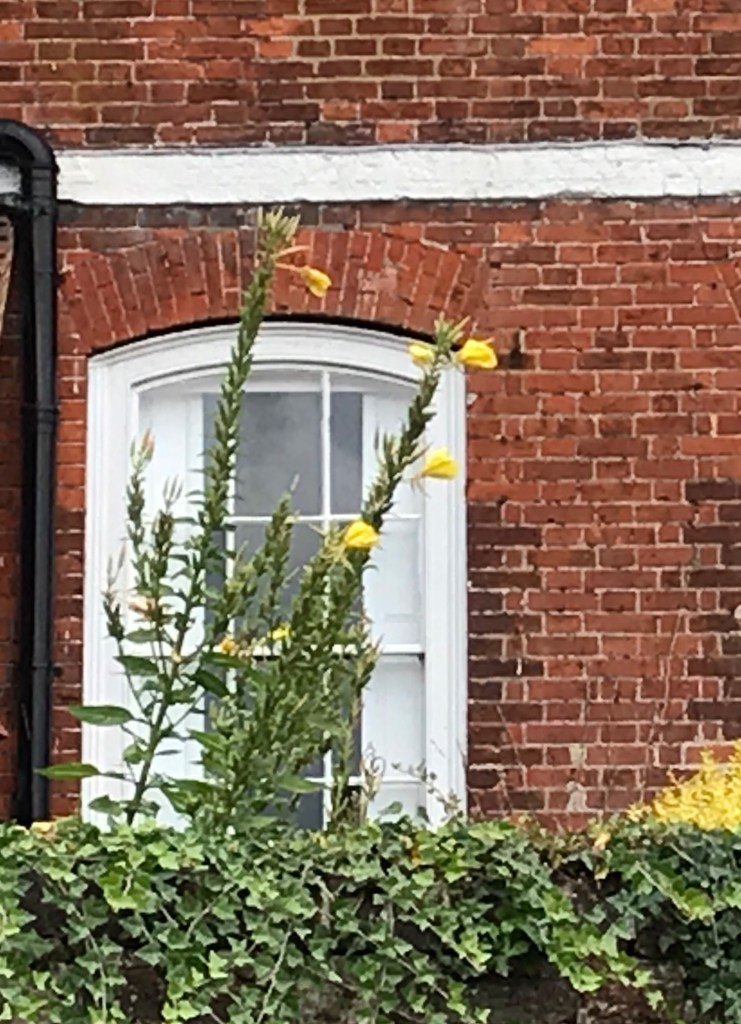
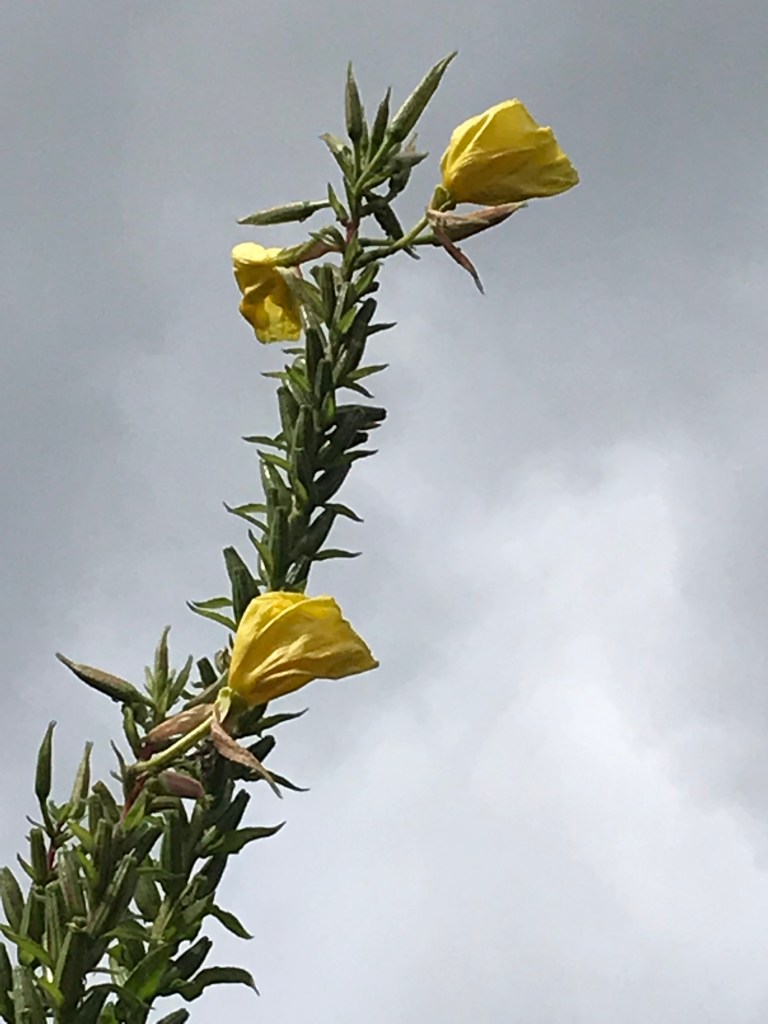
As I passed the vicarage on this stormy evening, I noticed these long spiky stalks extending above the hedge, their yellow flowers shrivelled against the wind.

They turn out to be evening primrose which, according to KewScience website, is native to Brazil but introduced to much of South America, eastern Asia, most of Europe and, rather specifically: Illinois, Tennessee and Vermont. But no doubt US citizens of other states can still get hold of the capsules that are supposed to slow the ageing process.

Soothing avenue

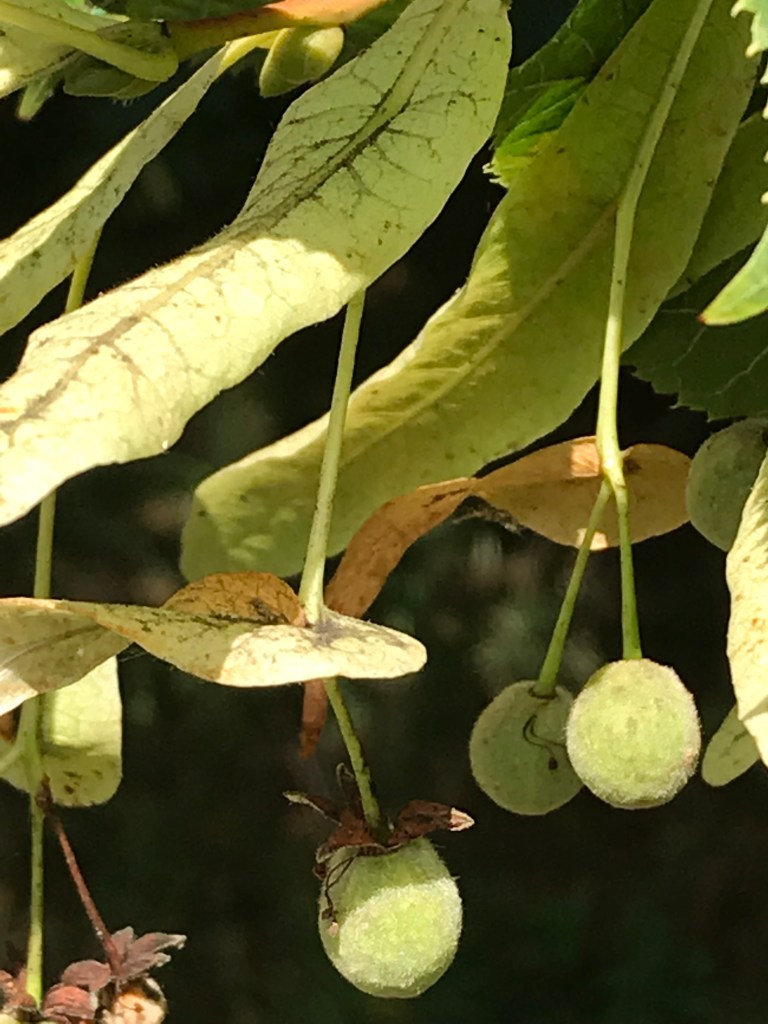
DAY 126 (9 AUGUST) – Small-leaf lime (Tilia cordata) (Farnham Park)

I’ve always loved this avenue of limes in Farnham Park. It spans the whole width of the park and it’s rare not to see a labradoodle or two being given a work-out along its length.

This is the national tree of the Czech Republic and Slovakia. The flowers that precede these fruits make a herbal tea that’s known to calm the nerves and treat anxiety. Just looking at the trees is enough to soothe me.

Flower of August

DAY 125 (8 AUGUST) – Sword lily (Gladiolus communis) (Midhurst, Sussex)

Liked the unusual colours of this gladiolus (officially the ‘flower of August’) today, observed while having tea at a Midhurst hotel.

In South Africa, I read, they are pollinated by long-tongued bees, sunbirds (how lovely) and hawk moths among others… but here in Europe it seems they mainly attract wasps (the insect of August), as did our tea things of course.

Wet heather

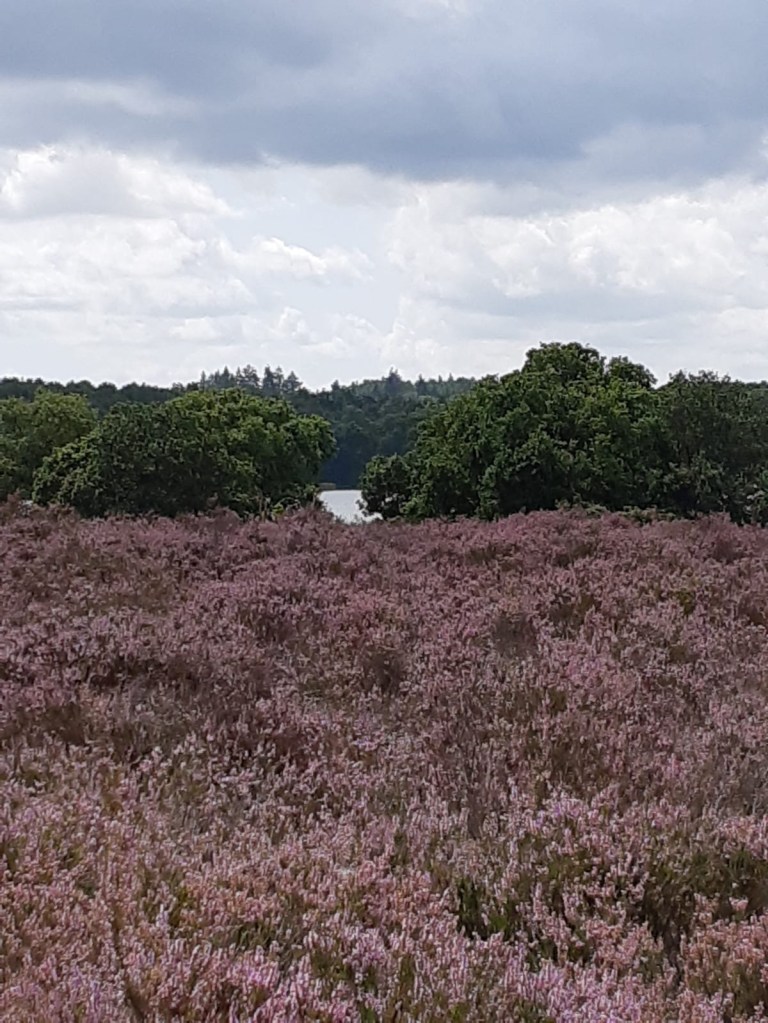
DAY 124 (7 AUGUST) – Heather (Calluna vulgaris) (Frensham Ponds)

Walking with friends at Frensham today, got drenched in a thunderstorm on the ridge. But on the way up we admired the thick carpets of heather. It always reminds me of my winter windowbox, aged 23.

Conker case

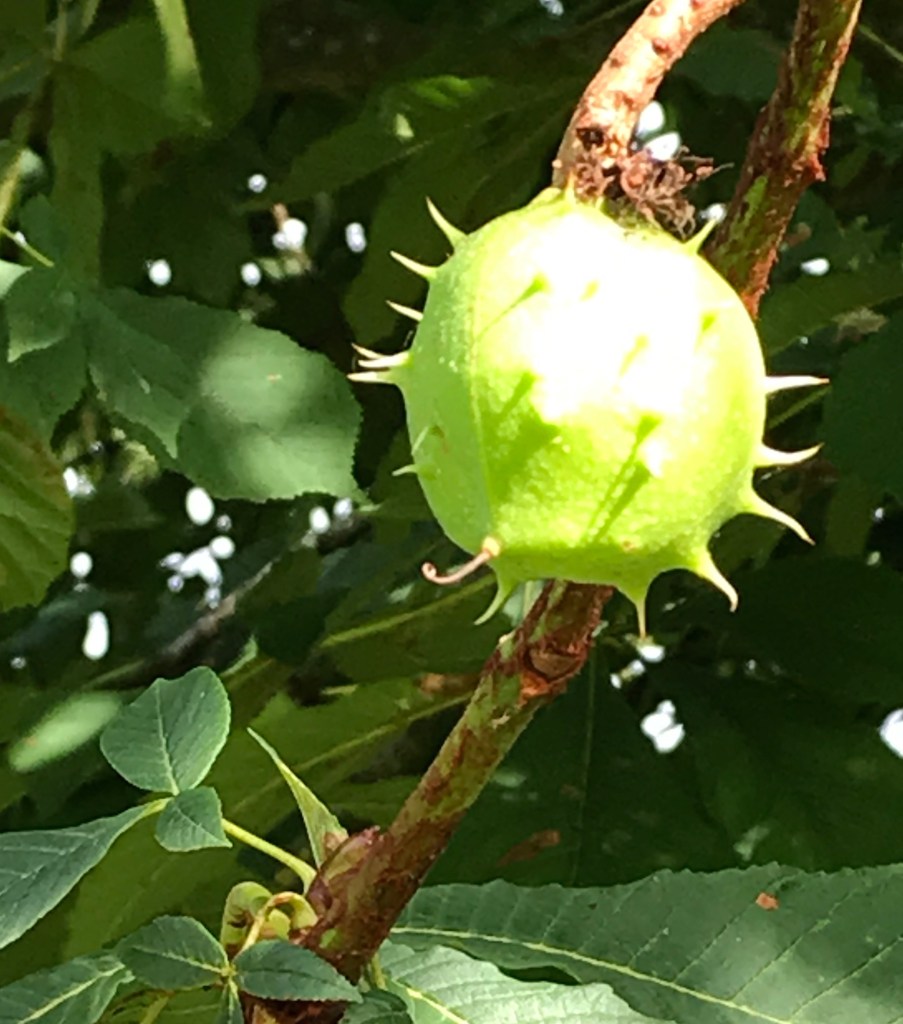
DAY 123 (6 AUGUST) – Horse chestnut capsule (Aesculus hippocastanum) (Farnham Park)

On a day when the sun was in and out, I managed to catch this spiky horse chestnut capsule with the light reflecting on it. It will, of course, yield a conker in time – or maybe two or three. But the likelihood sounds about as much as human twins or triplets.

Odd horse chestnut fact: it’s native to much of Europe but specifically (according to Wikipedia anyway) as far north as Gastrikland in Sweden. Sounds like a new deli section at Ikea.

It’s you, blackbird

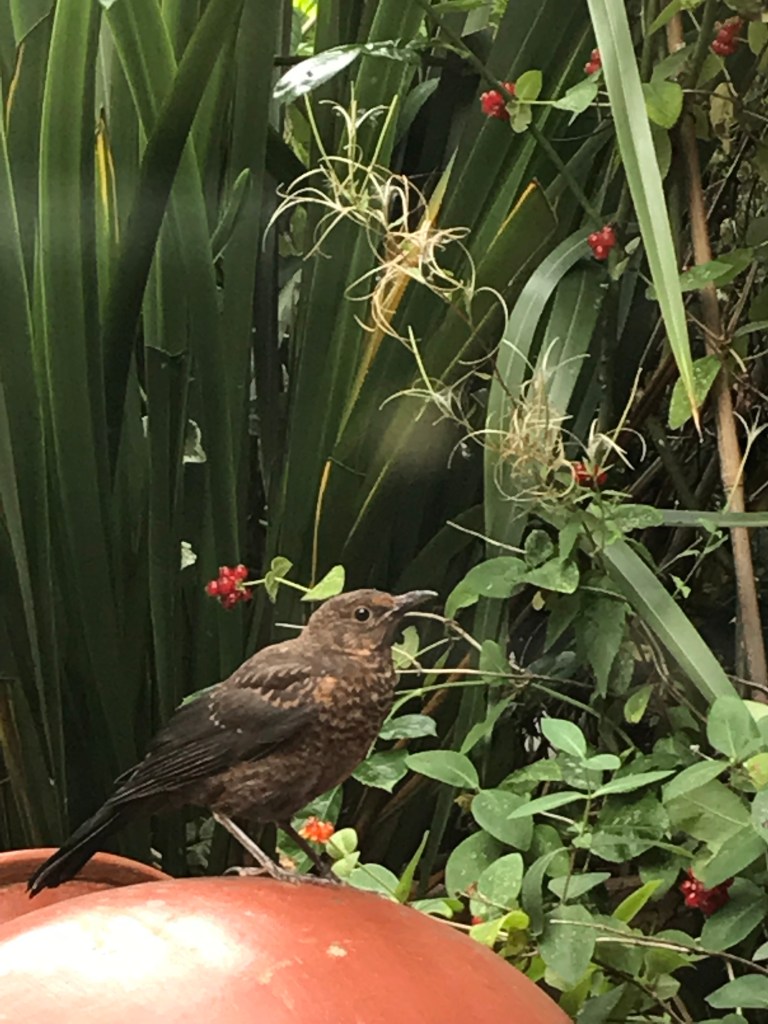
DAY 122 (5 AUGUST) – Common blackbird (Turdus merula) (Farnham)

“On the grass when I arrive, / Filling the stillness with life, / But ready to scare off / At the very first wrong move. / In the ivy when I leave. /

It’s you, blackbird, I love.”

Excerpt from The Blackbird of Glanmore by Seamus Heaney

One of my favourite poems.

Songbird tree

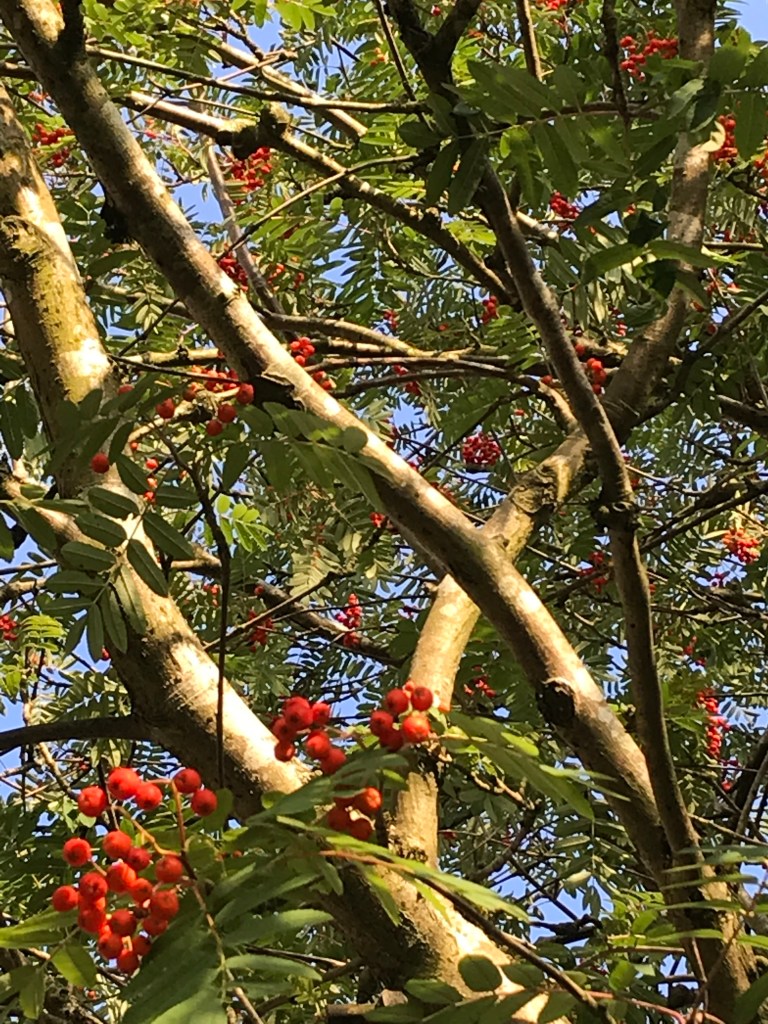
DAY 119 (2 AUGUST) – Rowan (Sorbus aucuparia) (Farnham)

My very first berries. Mixed feelings: they look good but I suppose they herald the beginning of the end of summer… The berries on this rowan continue from August to October.

But this is an attractive tree and much loved by 60 bird species at this time of year, in particular thrushes and songbirds. How lovely. And also (apparently) by cloven-hoofed game, red foxes, badgers, dormice and squirrels. But most will have to wait until the berries drop.