Under the faery spell

DAY 38 (13 MAY) – Hawthorn (Crataegus monogyna) (Farnham)
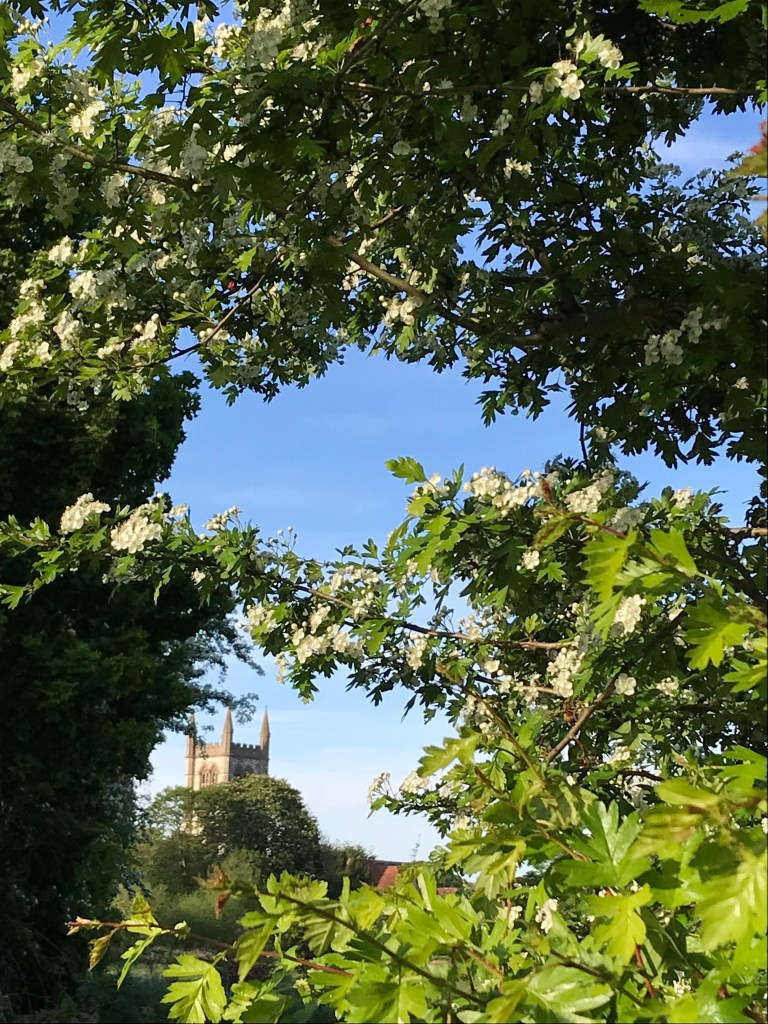
The faeries must have led me to the hawthorn today. Or else it is a bizarre coincidence, as it turns out 13 May is the first day of the Hawthorn phase of the Celtic Tree Calendar – celebrated by modern pagans.

Also known as the may tree, mayblossom and whitethorn, these joyful white-flowered trees surround the water meadows here and line the banks of the River Wey.

The flower blooms are supposed to be used in spells for fertility, happiness and good luck in fishing. What’s not to like?
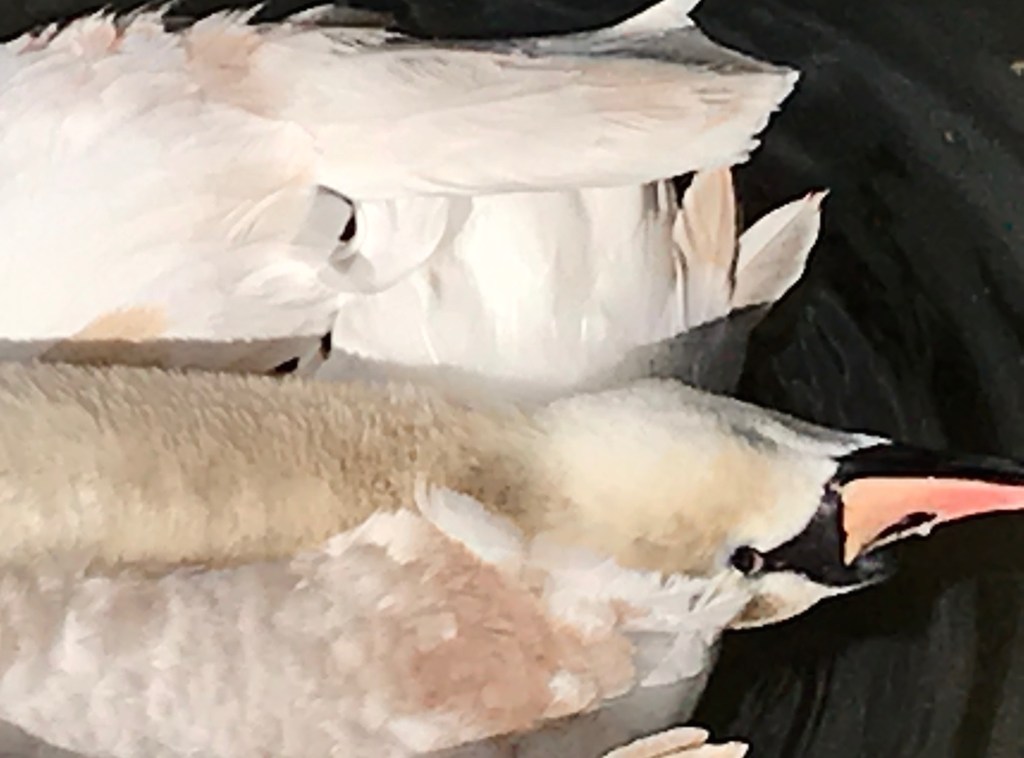
Swan yoga

DAY 37 (12 MAY) – Mute swan (Cygnus olor) (River Thames, Kingston)

… the swan / made a slow-motion / swan-storm of itself: / wings moved through wrong angles, / feathers stared, neck / forgot its bones / and a rotted figleaf of a foot / paddled in the air.

(from Preening Swan by Norman MacCaig)

Mum’s a shrub

DAY 36 (11 MAY) – Red horse-chestnut (Aesculus x carnea)) (Farnham Park)

Today I learnt that this tree with dramatic pink flowers at the entrance to Farnham Park is a hybrid. An unlikely cross between a common horse-chestnut (pictured above right in the background) and the firecracker plant or red buckeye – a shrub native to the southern and eastern United States.

Having a mere shrub as one parent presumably explains why the red horse-chestnut is usually around 20 metres smaller than its other, grander parent.

Dramatic potpourris

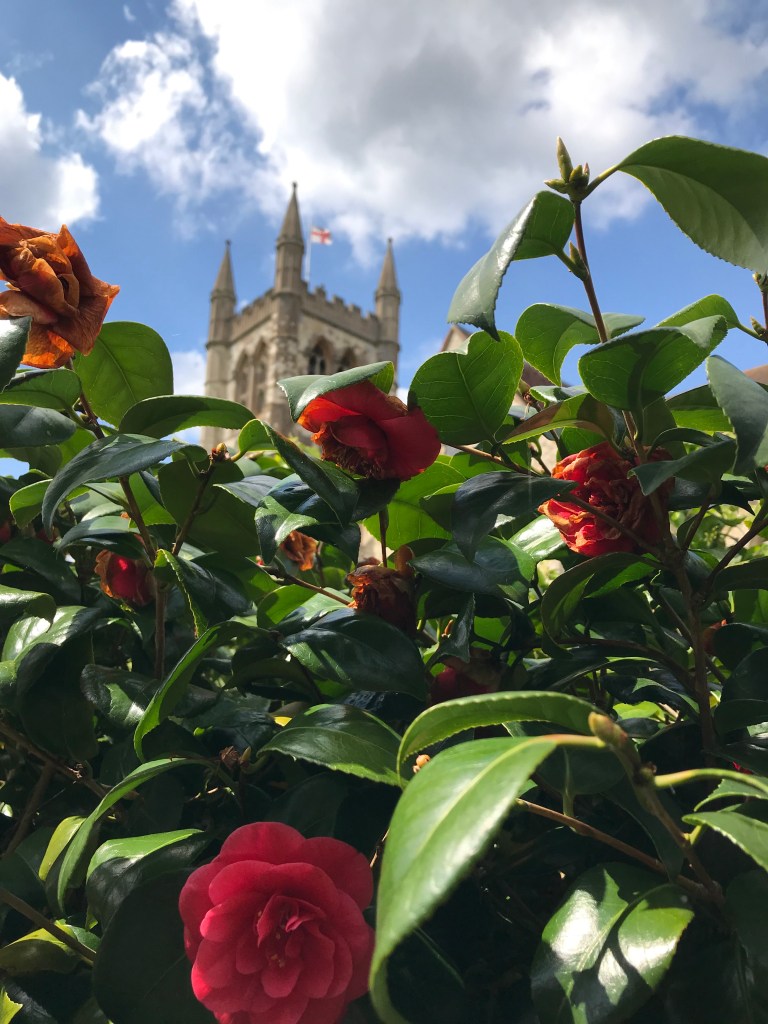
DAY 35 (10 MAY) – Camellias (Camellia japonica) (Farnham)

It’s hard not to like camellias. For months of late winter and early spring, they are the only really dramatic plant around. Native to south and east Asia, they arrived in England in the 18th century and by the mid-19th were considered the luxury flower.

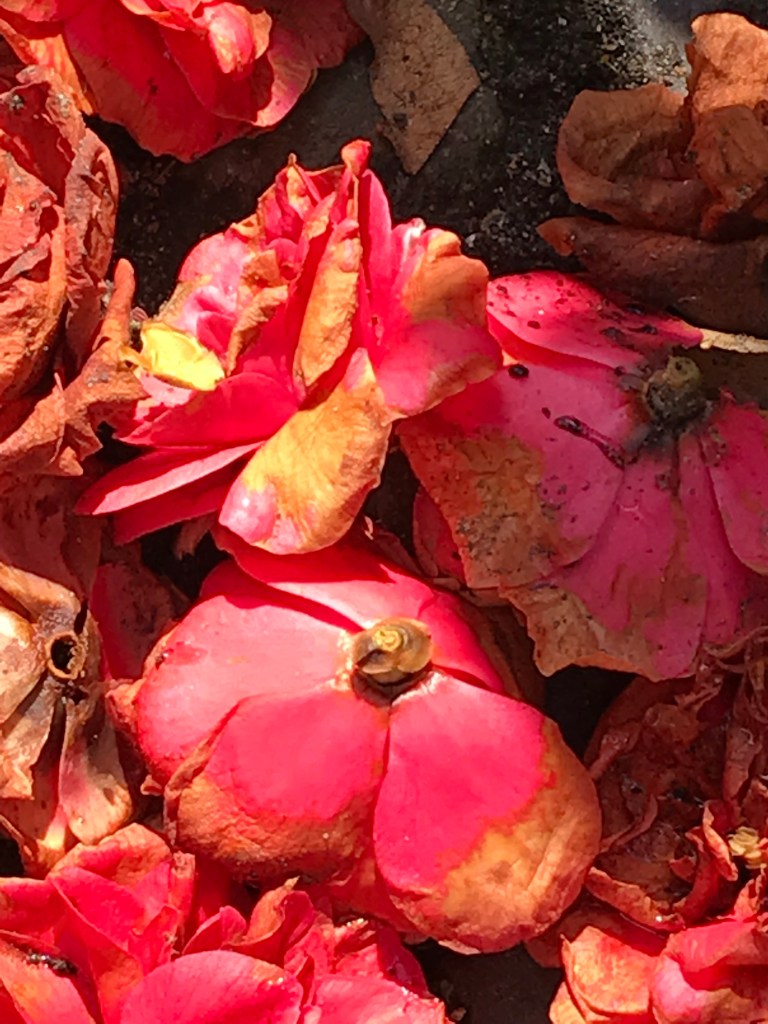
But I’m wondering if I don’t prefer them dying. In gutters, on pavements and drains they now present as truly beautiful potpourris. Some flowers have gone. Others still have a delicate pulse like Dumas’ famous creation La Dame aux Camélias.

Lonely in Soho

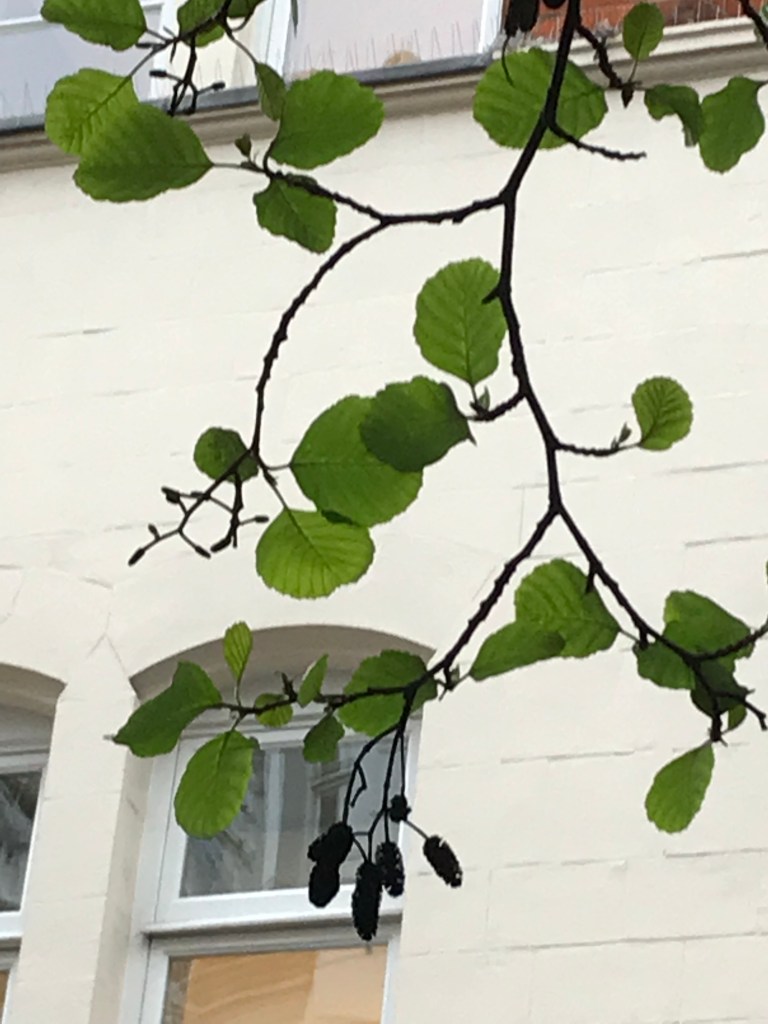
DAY 34 (9 MAY) – European alder (Alnus glutinosa) (Soho, London)

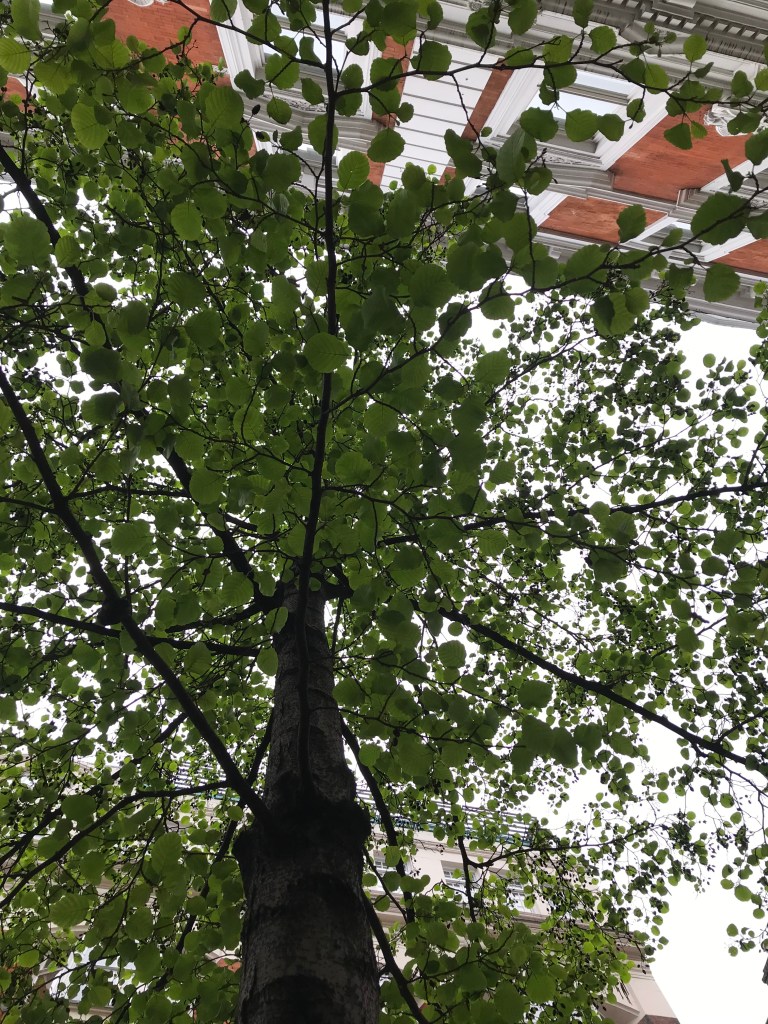
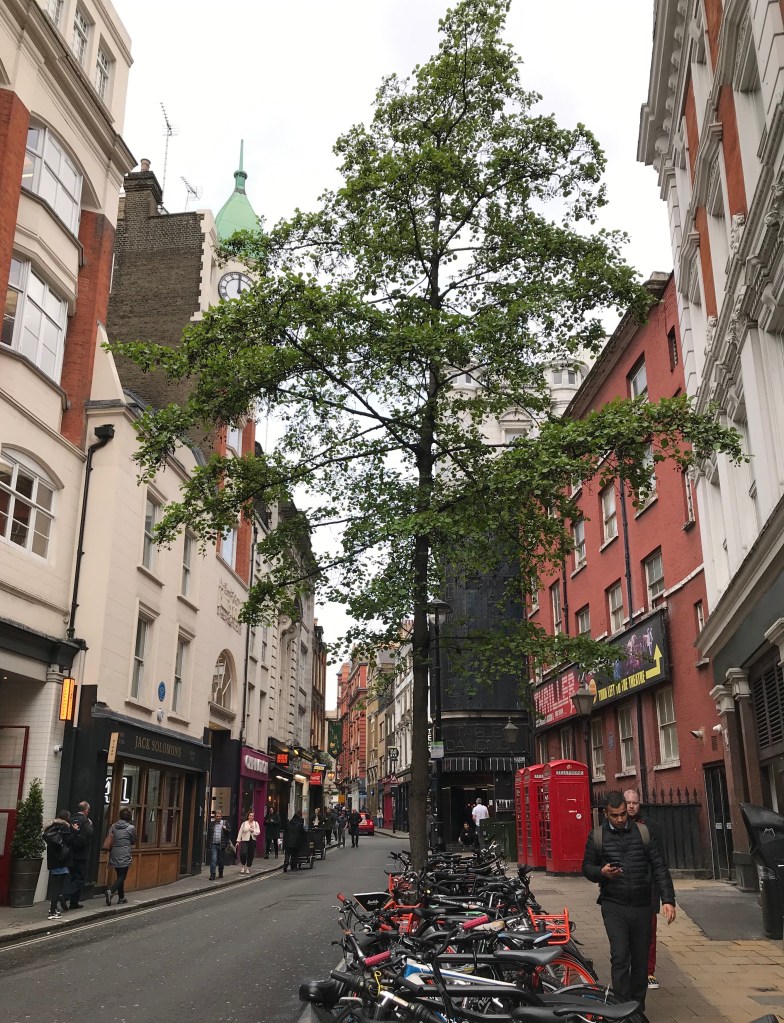
This young European alder stands alone on a Soho street, marking the end of a bike rack.

Their natural habitats are forest edges, swamps and riversides. Not here. But London certainly provided wet conditions today.

Their pollen and nectar is enjoyed by bees and in winter they attract several species of rarely seen finches. That might be worth returning for…

Not so vulgar

DAY 33 (8 MAY) – Lilac (Syringa vulgaris) (Farnham)

That charcoal wash was today’s sky. I rushed out to take this lilac just as the sun made a brief appearance.

I’ve always felt rather ambivalent about lilac. It reminds me of the worst toilet mats, Bronnley soaps and ladies’ swimming caps. And yet the real thing (apparently native to the Balkans) smells gorgeous and reminds me of my childhood. Three fragrant lilac bushes lined our garden path down towards the elms and jungle at the bottom where my friends and I had our den.

Despite the personal hygiene connotations, I think it deserves a better name than syringa vulgaris...

Majestic along the Wey

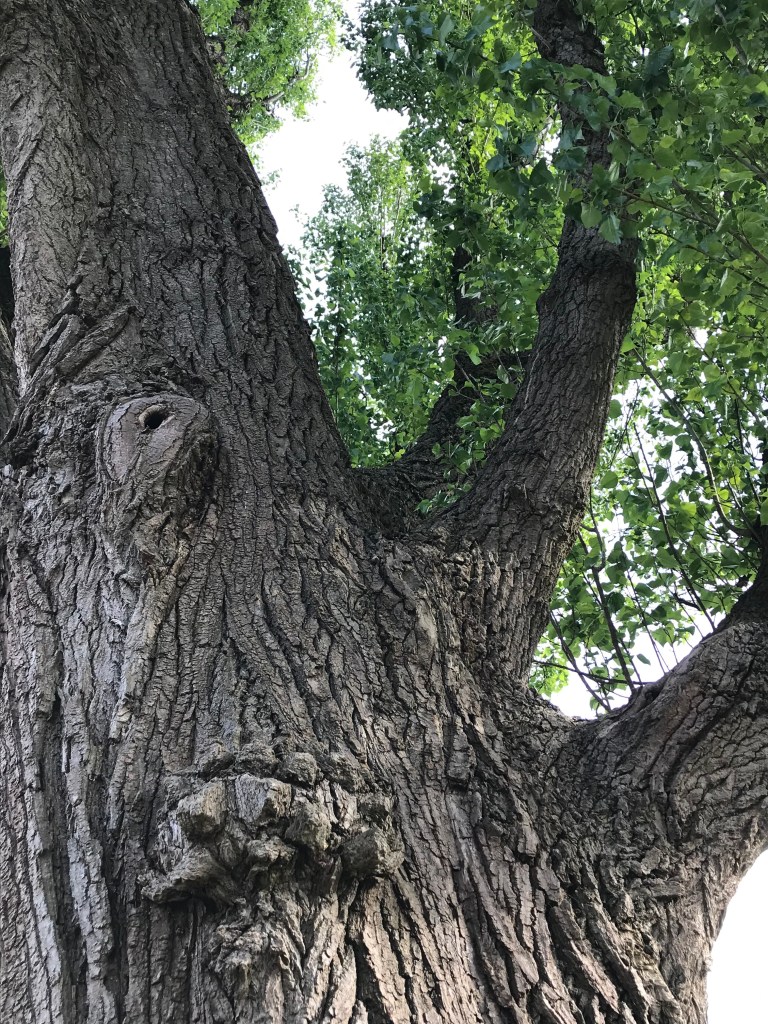
DAY 32 (7 MAY) – Lime trees? (Tilia) (River Wey, Guildford)

Found this striking avenue of tall trees on the banks of the River Wey at Guildford. I’ve spent ages trying to identify them and decided they might be lime trees, though their leaves weren’t asymmetrical like most limes.

But I read that limes often subdivide into many sections, as above. And the bark looks right. I love the pouty face on the trunk and the Squirrel Nutkin house where the eye is.

If they’re not limes, please say…

Wild flower foregrounds

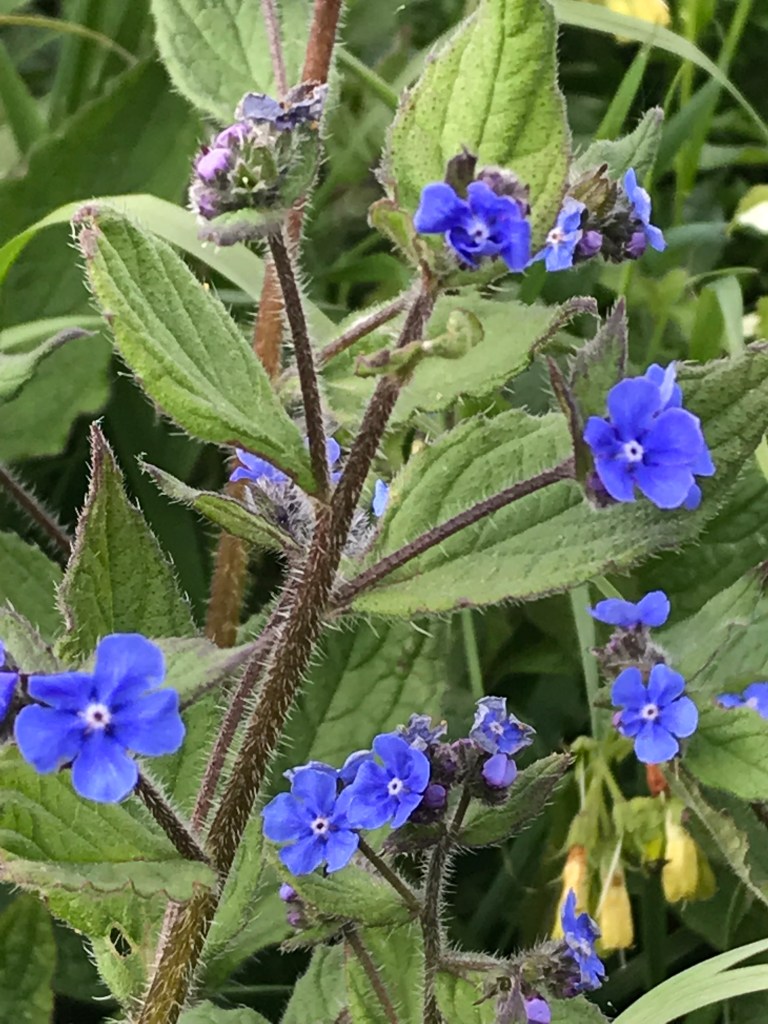
DAY 31 (6 MAY) – Alkanet (pentaglottis sempervirens) (Crondall)

The view from almost any country lane in Hampshire is a horizon of trees and a farmhouse, a field gently sloping towards you and a foreground of jumbled wild flowers.

Here some rapeseed has blown in to blend with the evergreen alkanet, a member of the forget-me-knot family. It was brought to England in the Middle Ages for the red dye yielded by its roots.

Sing willow, willow, willow

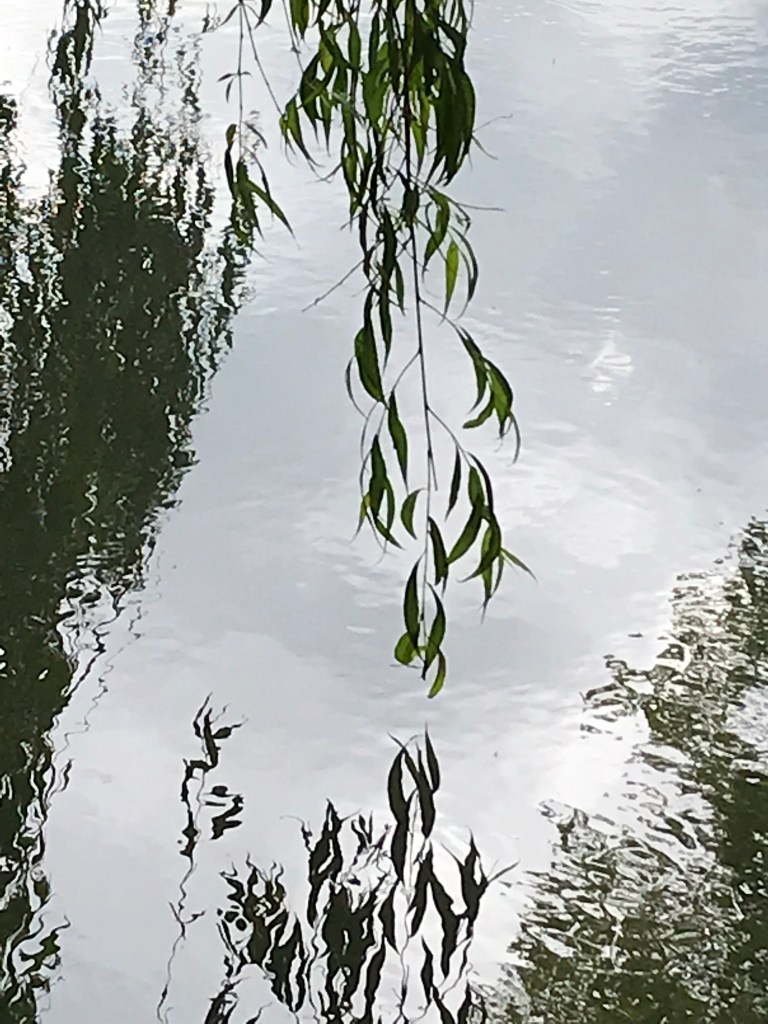
DAY 30 (5 MAY) – Salix babylonica (River Avon, Salisbury)

The fresh streams ran by her, and murmured her moans / Sing willow, willow, willow (Desdemona’s song).

Today I found out there is more than one River Avon in England (four, in fact). Bit embarrassing… So maybe Shakespeare was inspired to write the beautiful, sad willow song while watching his Avon.

And an interesting fact about the name. The Babylon willow (another name for the weeping willow) is a misnomer. It’s from China. Psalm 137 which famously starts: ‘By the waters of Babylon..‘ goes on to say ‘... on the willows there we hung our lyres‘. But the trees referred to in the Bible were in fact Euphrates poplars. So there we are.