Avenues of light

DAY 18 (23 APR) – Blue gum tree (Eucalyptus globulus) (Vejer de la Frontera, Spain)
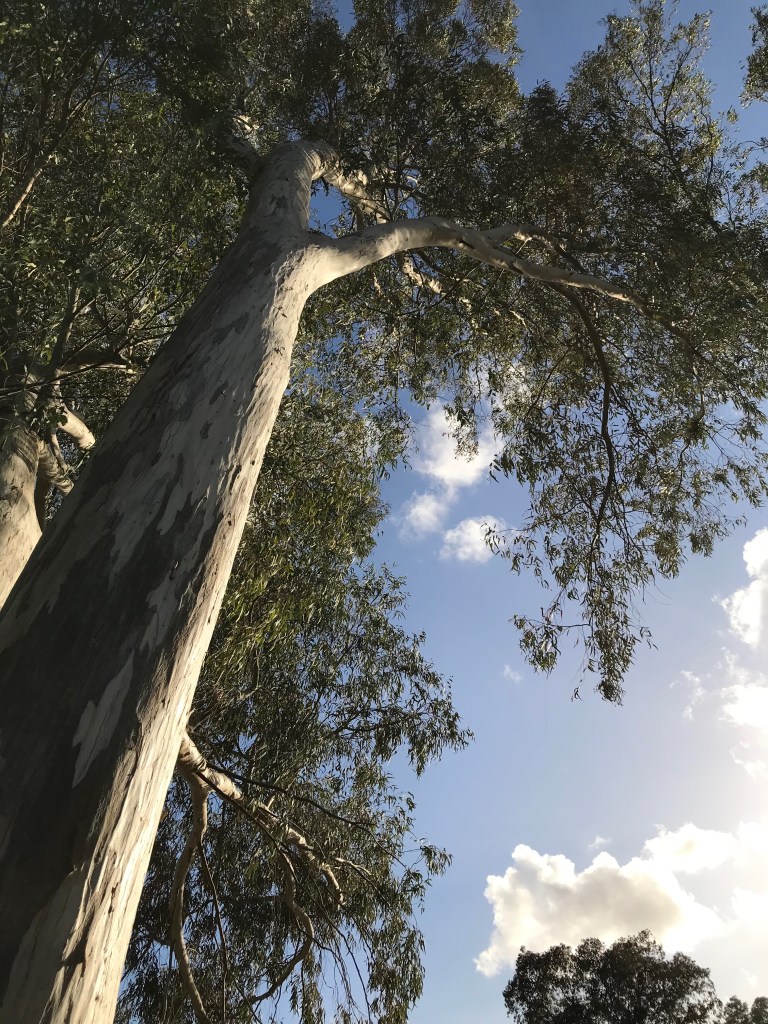
Possibly my favourite tree.

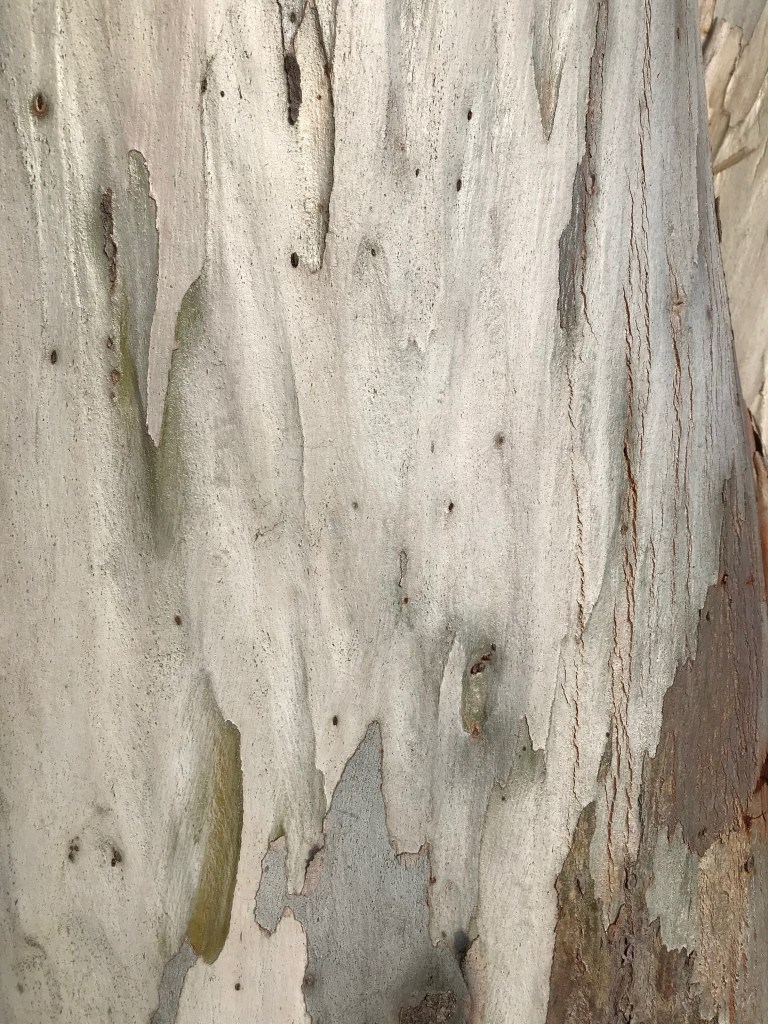
There’s an avenue of eucalyptus close to my sister-in-law’s house in South Africa, and another on the winding mountain road up to Vejer. They make me think of dry heat and the song of crickets. I love the sound of their leaves blowing in the strong winds here. Not to mention their beautiful, painterly bark that reflects the sun.

There are two to three million acres of eucalyptus forests in Iberia, mostly planted post-war to replace old oak forests. Mature trees produce a new layer of bark each year.

And I just found out the Blue Mountains in Australia are named after the blue mist that shrouds the eucalyptus forests on warm days.

Yellow coastal carpets

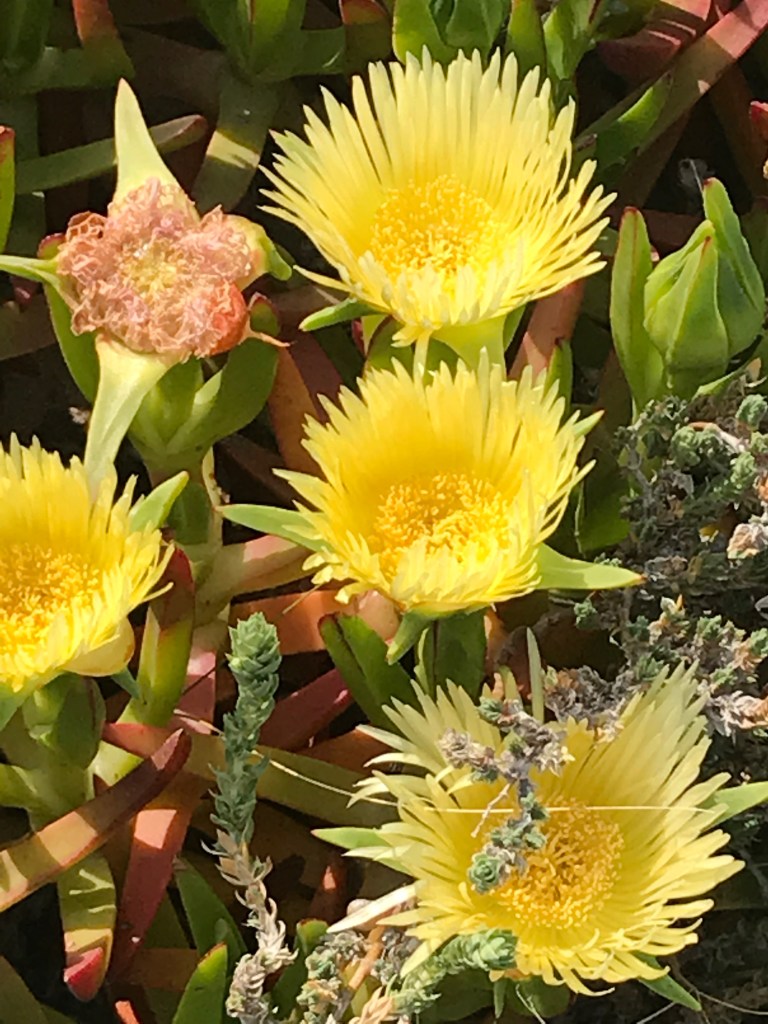
DAY 17 (22 APR) – Hottentot-fig (carpobrotus edulis) (El Palmar, Spain)

These ground-creeping plants with gorgeous yellow (or sometimes pink) flowers and succulent leaves are rampant over dunes where the climate is warm (such as Australia, California, the Med – and here on the south-west Atlantic coast of Spain).

They’re native to South Africa, hence the non-pc name, though you may also know them as mesembryanthemum.

Much as I like to look at them, they are invasive so pose a threat to local endangered species and lower biodiversity. Hmmm, pity.

Easter buttonhole

DAY 16 (21 APR) – Carnations (dianthus caryophyllus) (Vejer, Spain)

Mocita dame el clavel / Dame el clavel de tu boca / (Young girl, give me the carnation / Give me the carnation of your mouth) /… the opening lines of Spain’s best known song Clavelitos.

Lazy Easter Sunday… I barely had to lean out from my sofa to take these.

Am so envious of the flung-together look of these carnation and geranium-laden balconies. The creation of our neighbour opposite, a local lady with years of experience.

The national flower of Spain, it symbolises love, fascination and distinction.


Asian delicacies

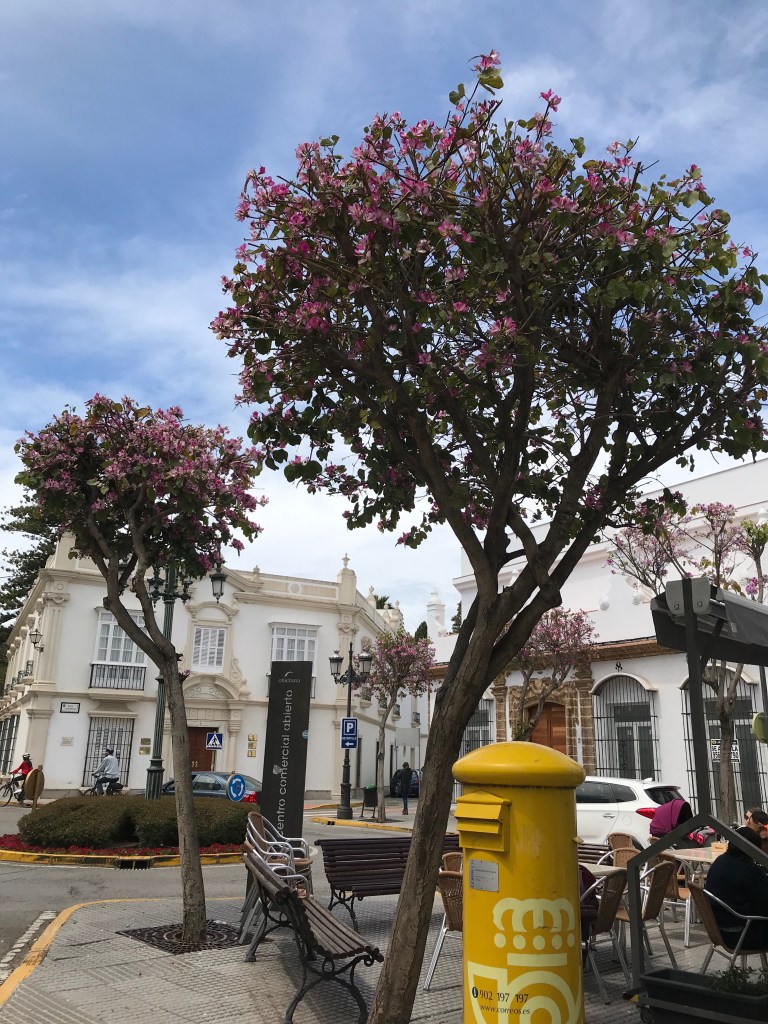
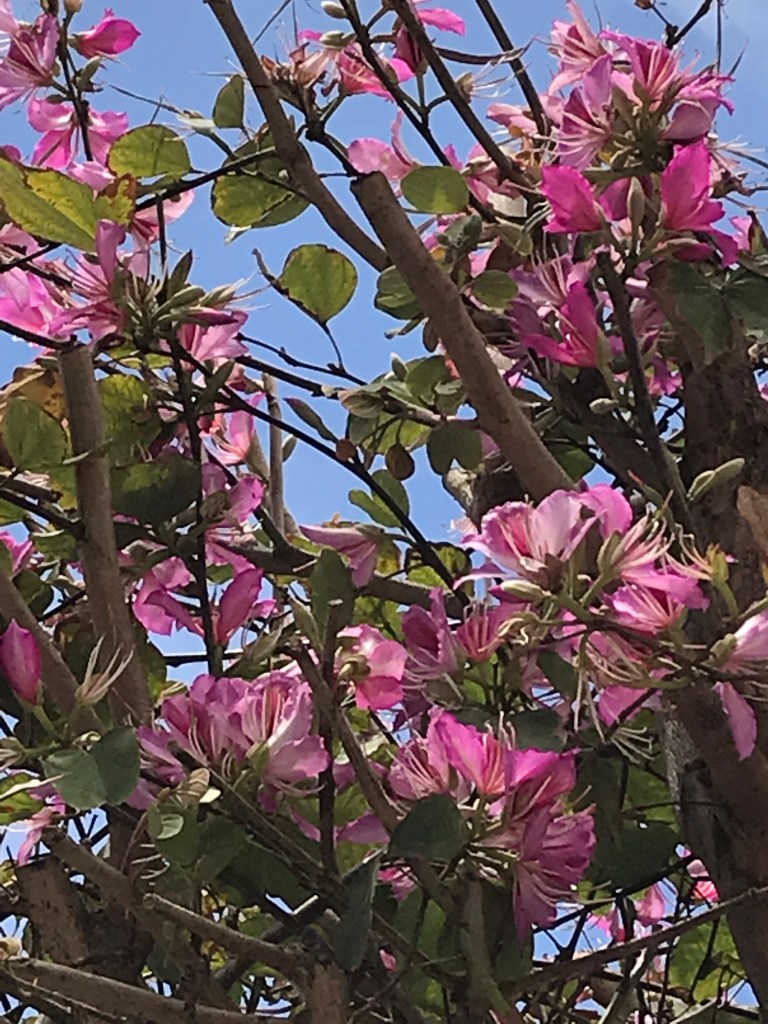
DAY 15 (20 APR) – Orchid tree (Chiclana, Spain)

These delicate orchid trees (bauhinia variegata) caught my eye, arranged around a tiny square here in Cadiz province.

They’re native to South and South East Asia, and Spain is the only European country to plant them. In the Neotropics, they are used to attract hummingbirds. Lovely thought.

Tropical and deadly

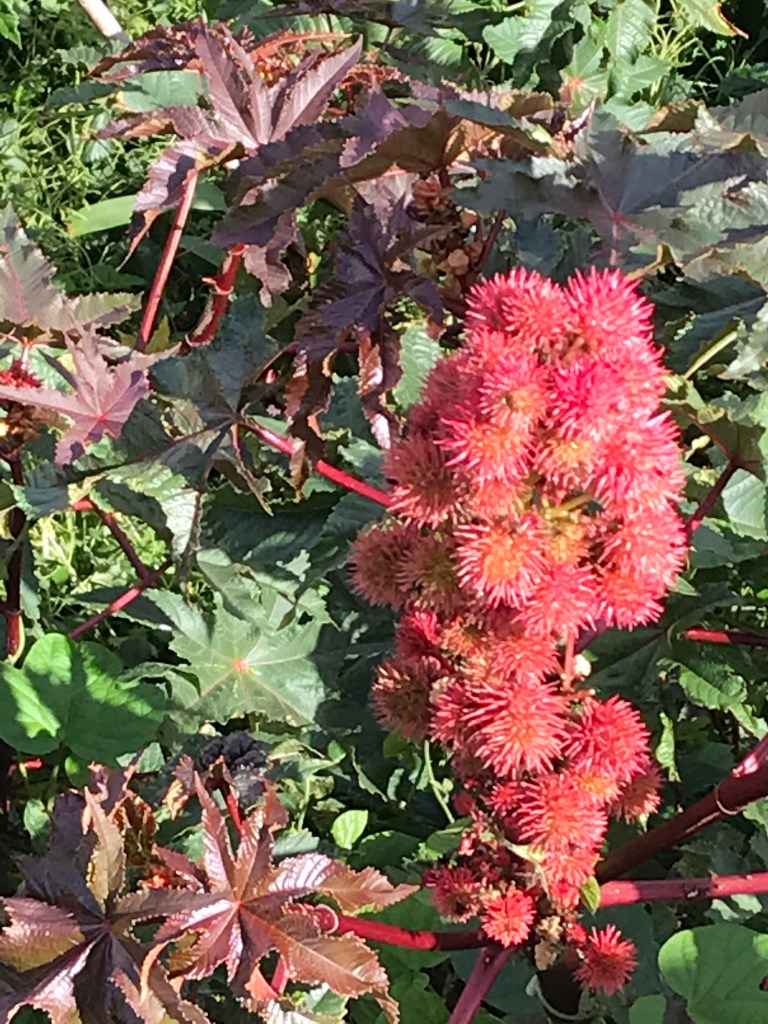
DAY 14 (19 APR) – Castor bean plant (Vejer de la Frontera, Spain)

Found this exotic plant growing on wasteland by a car park. It’s all over the hillsides here.

It’s a castor bean – indigenous to East Africa, but has spread along the Mediterranean. Love the star-shaped leaves and wine-red stems.

The clue’s in the Latin name ricinus communis. The seeds, which burst out of these spiky red pods, contain ricin: thousands of times more poisonous than a rattlesnake bite.

Uninvited guest

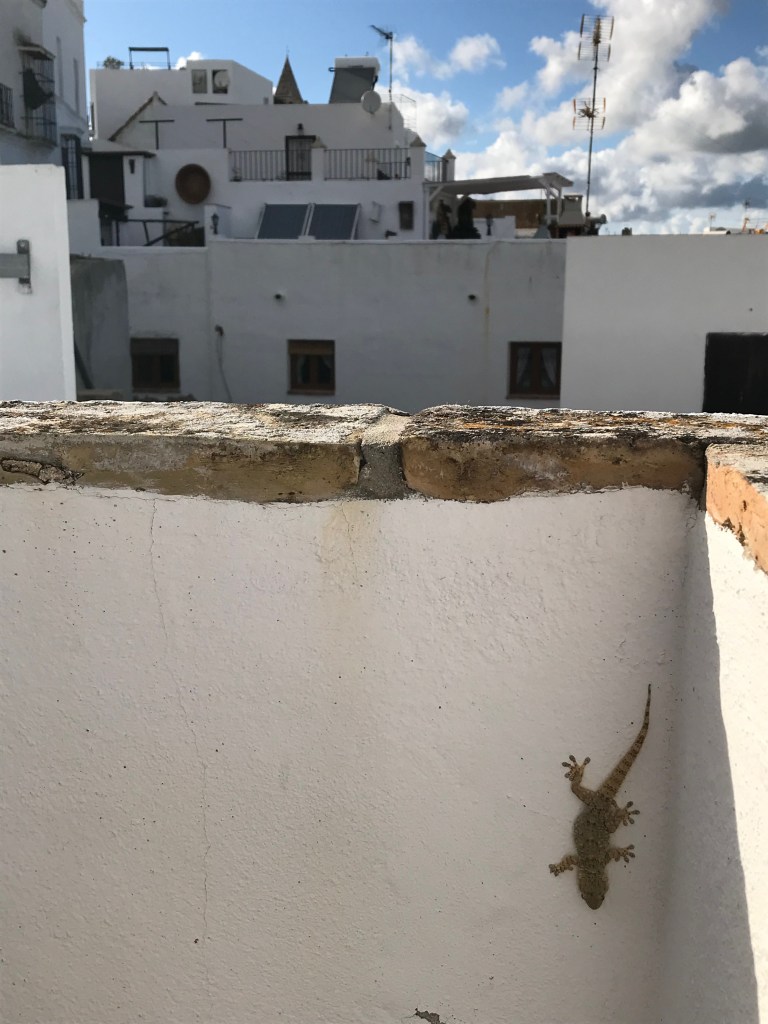
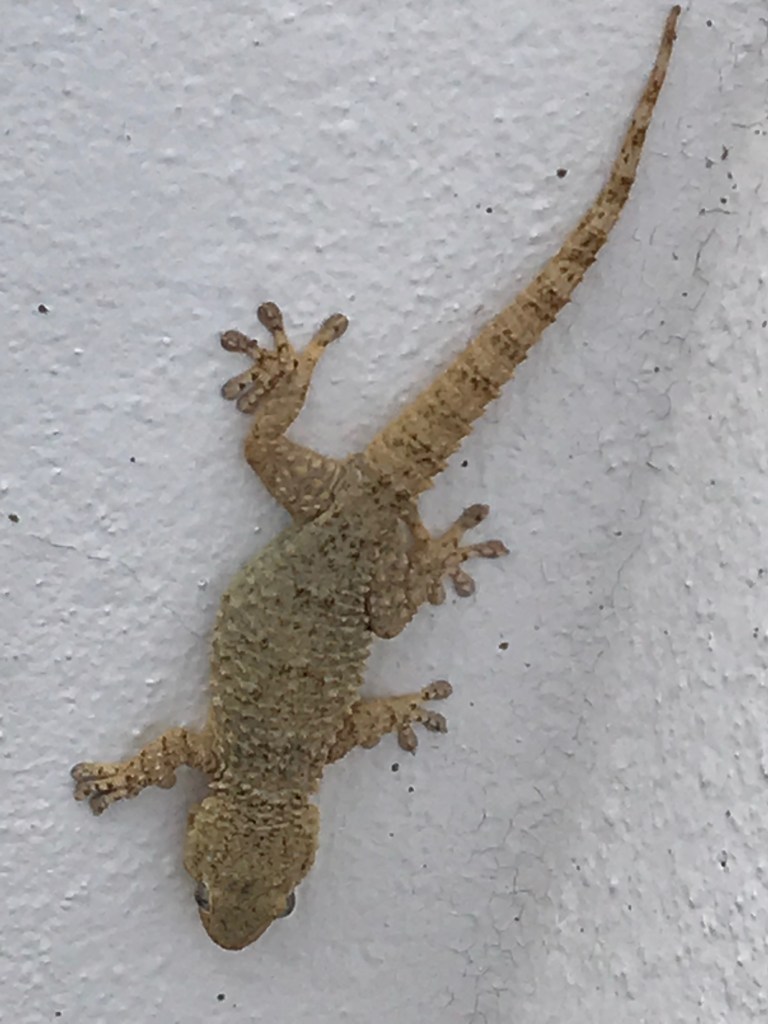
DAY 13 (18 APR) – Moorish gecko (Vejer de la Frontera, Spain)

This little guy appeared on our wall this afternoon and helpfully froze in situ while I fetched my phone.

He turns out to be a tarentola mauritanica or Moorish gecko – also known as a crocodile gecko because of his tail.

They are common in Spain, Italy and North Africa. But advice is they are nervous so should not be handled. I wasn’t tempted… but cute feet.

Ethereal lanterns

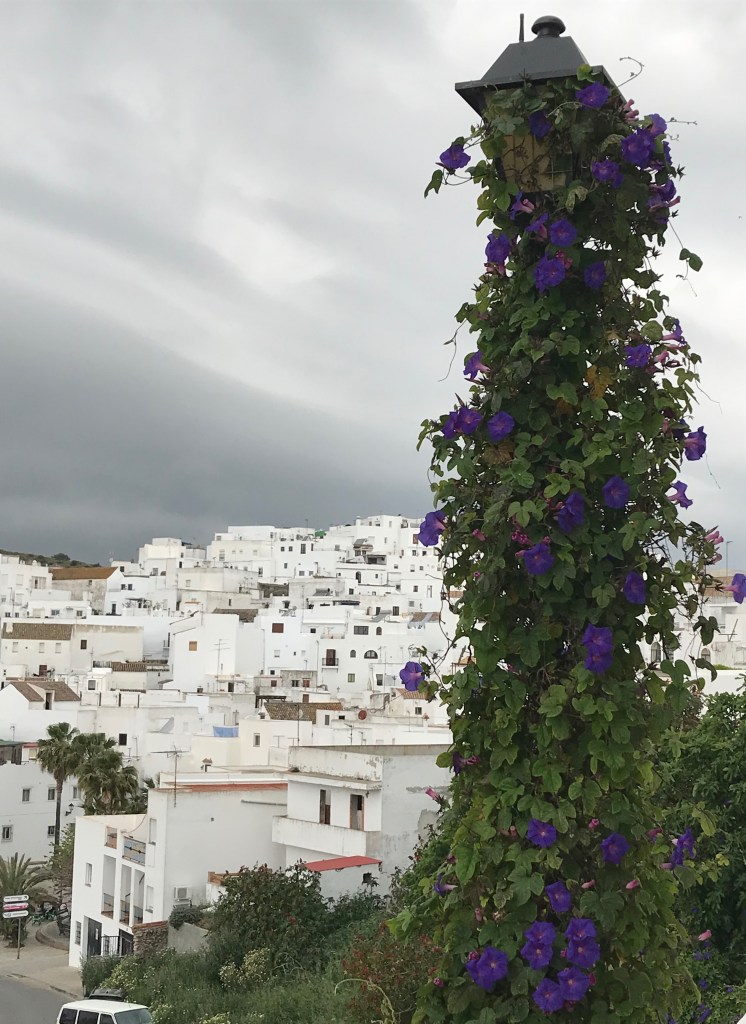
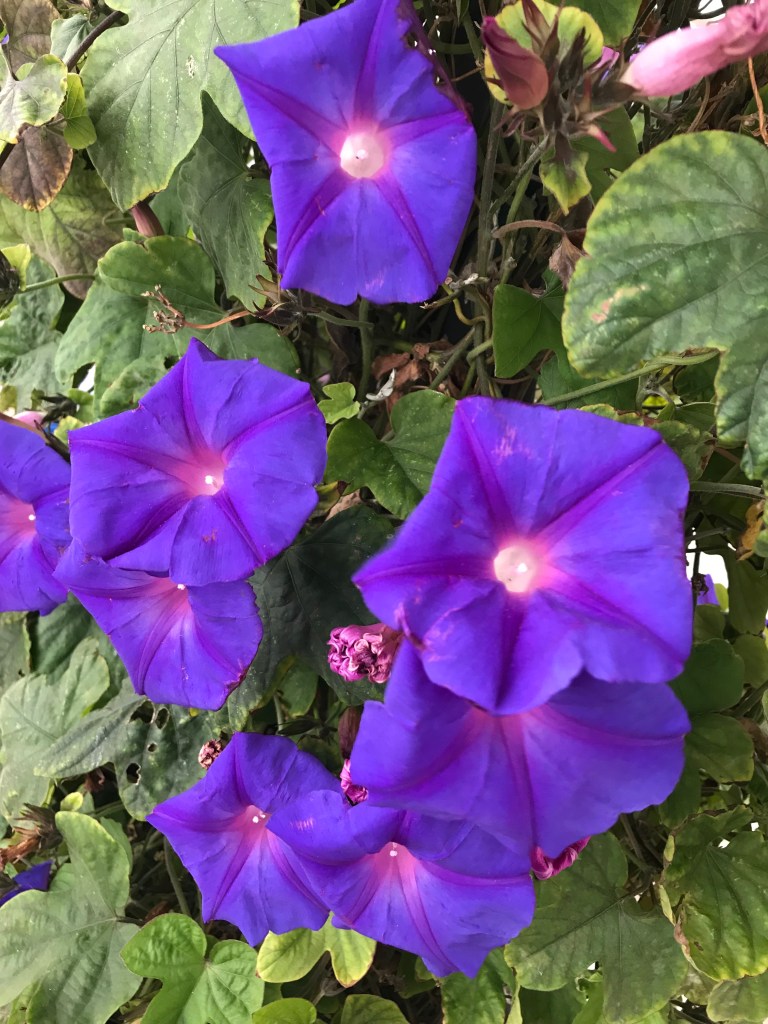
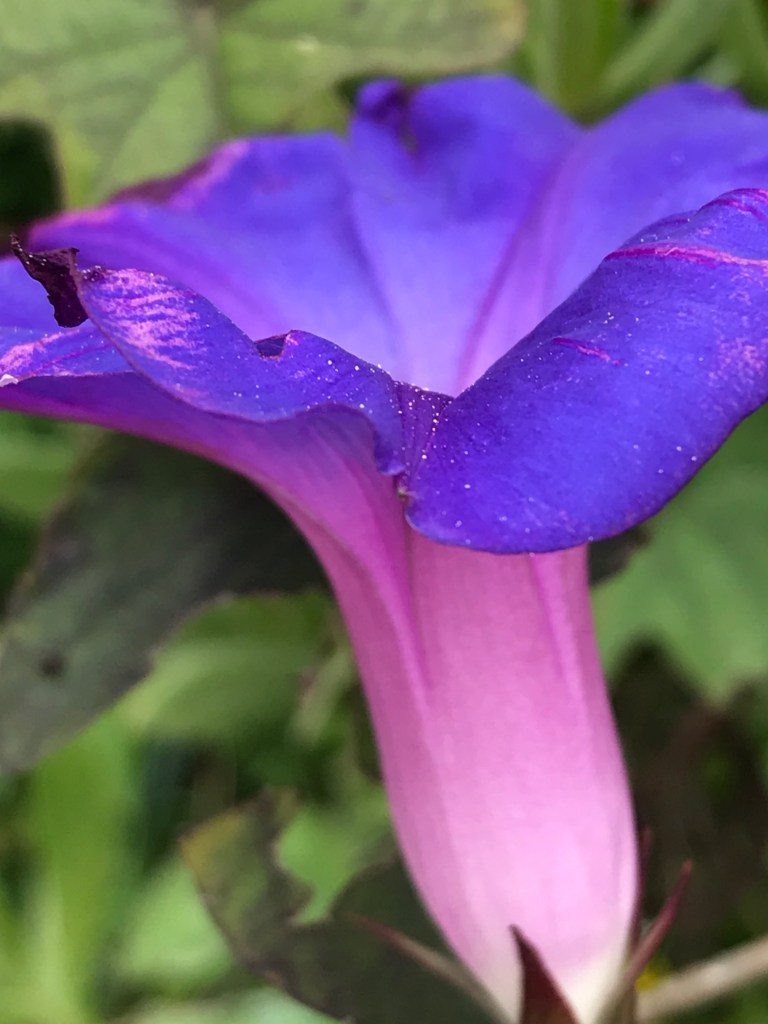
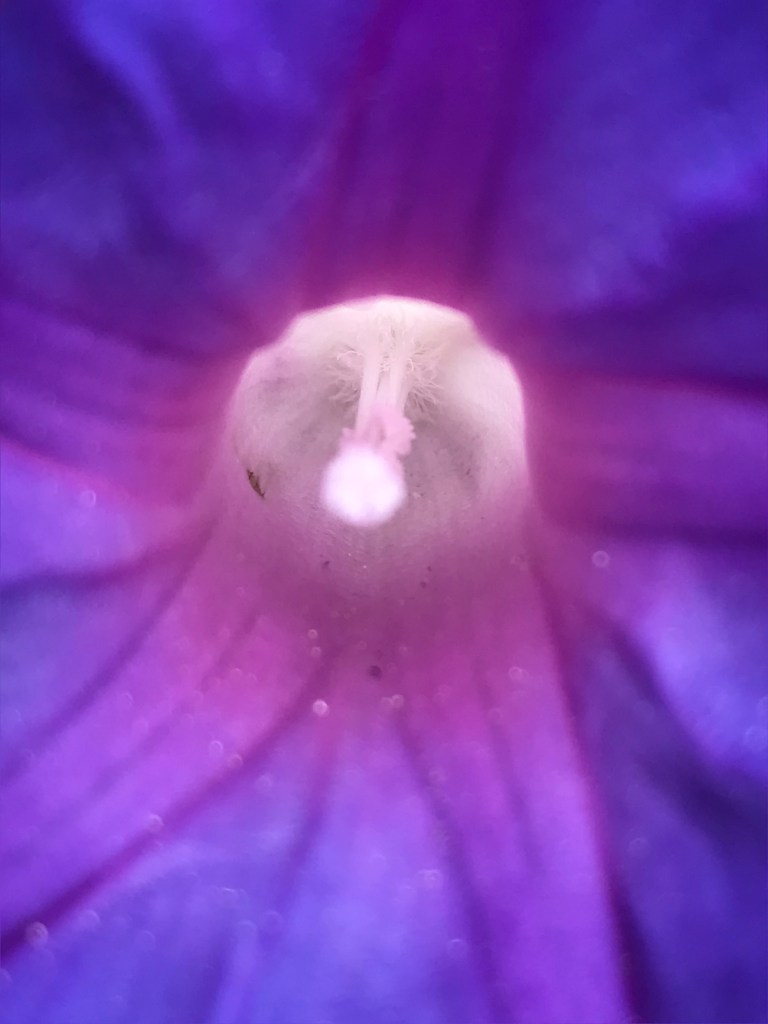
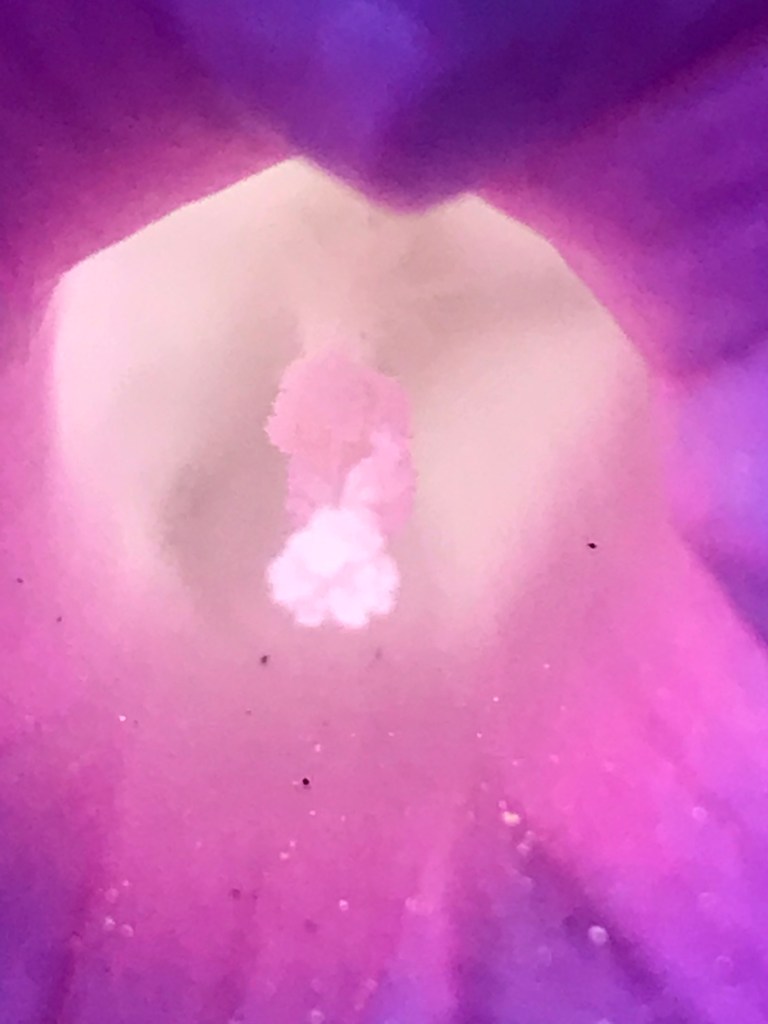
DAY 12 (17 APR) – Common morning glory (Vejer de la Frontera, Spain)

I’m hopelessly in love with a weed. It’s all over the town – I found this ipomoea purpurea (common morning glory)clinging to a lamp post.

Apparently the seeds can produce an effect similar to LSD. But who needs LSD when you look inside and see these stamens glowing?

Jasmine, palm tree, church wall

DAY 11 (16 APR) – Jasmine (Vejer de la Frontera, Spain)

It’s a warm evening on Tuesday of Holy Week. As the devout leave mass at the Divino Salvador church they’re greeted by this jasmine grandiflorum absolute (or Becky’s Bath Salts). I haven’t been able to find a Spanish translation…

It’s fading fast, but still seductive.

Brushes and contraception

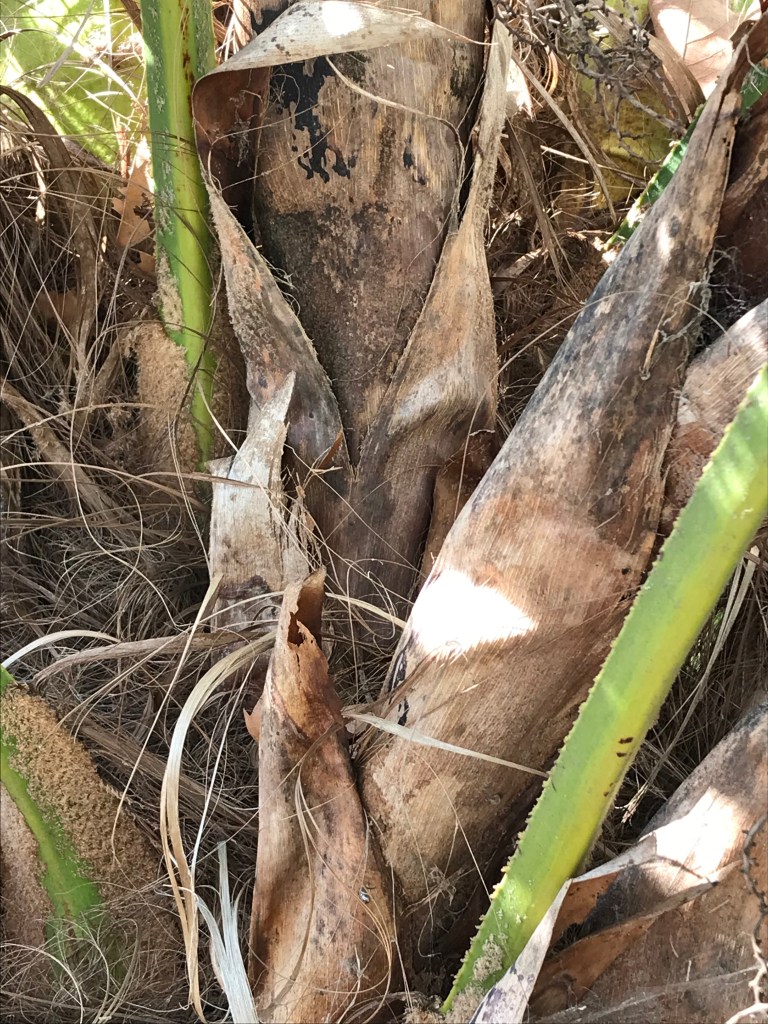
DAY 9 (14 APRIL) – Chinese windmill palms (Farnham)

This male and female pair (without the male close by, the female would not produce any fruit) guard the entrance to the University for the Creative Arts.

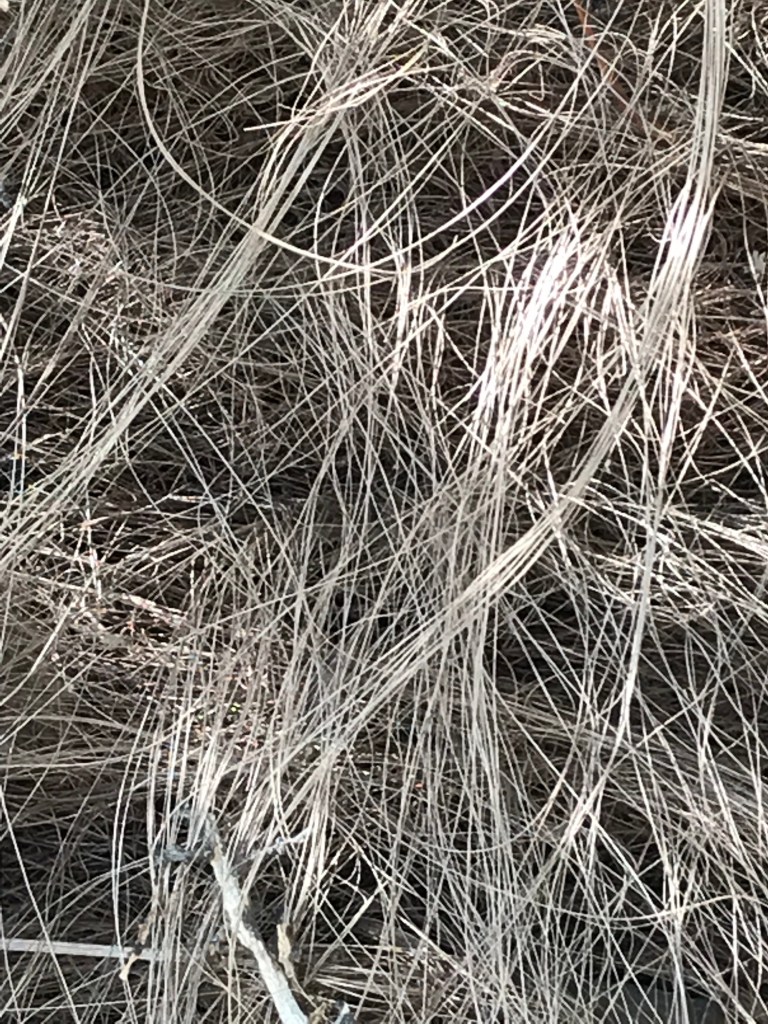
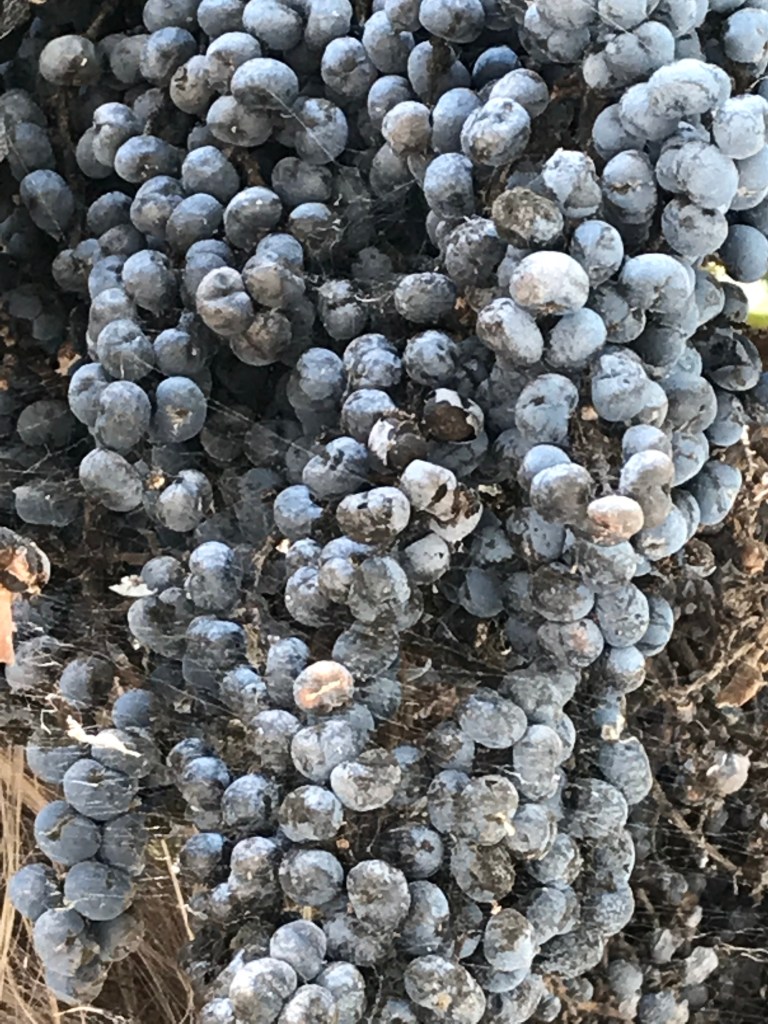
The fibres from the leafstalks are used to produce brushes. And the non-edible blueberry-like fruits make up part of a solution for contraception.

What more does an art student need?