Tree for a hot afternoon

DAY 48 (23 MAY) – Jacaranda (Jacaranda mimosifolia) (Vejer, Spain)

What strange trees jacarandas are. Lovely from a distance with their soft mauve flowers, but close up they are even more intriguing. The flowers are already falling, the leaves seem to grow in clumps and the flat disc-like fruits look like dead brown leaves dangling. Even the branches are interesting, this one twisting towards the sky.

Native to Mexico, Central and South America, jacarandas are now all over the world in hot climates. The name means ‘fragrant’ in the Paraguayan Guarani language.
Sad tennis court

DAY 47 (22 MAY) – Moss (Farnham)

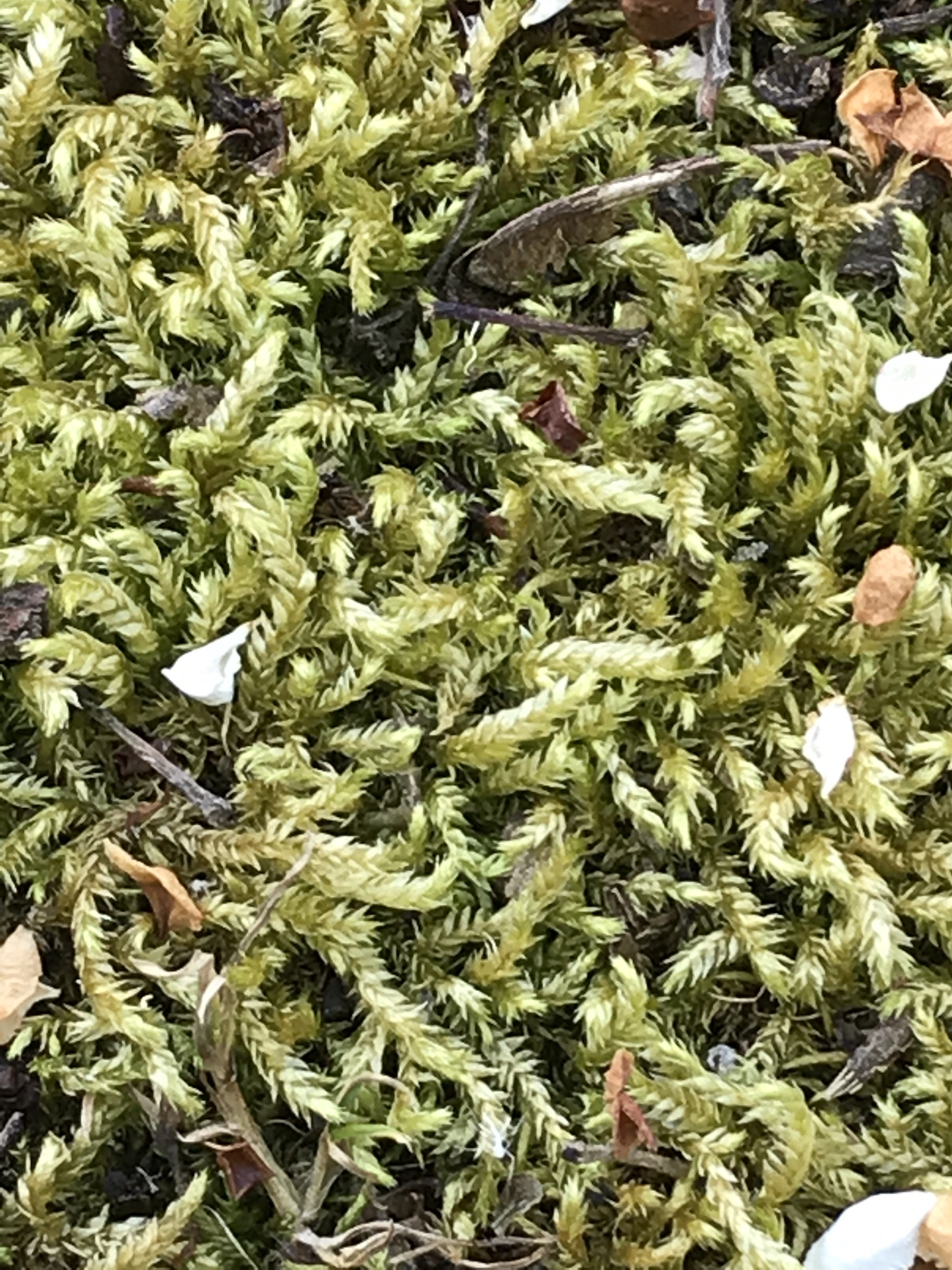
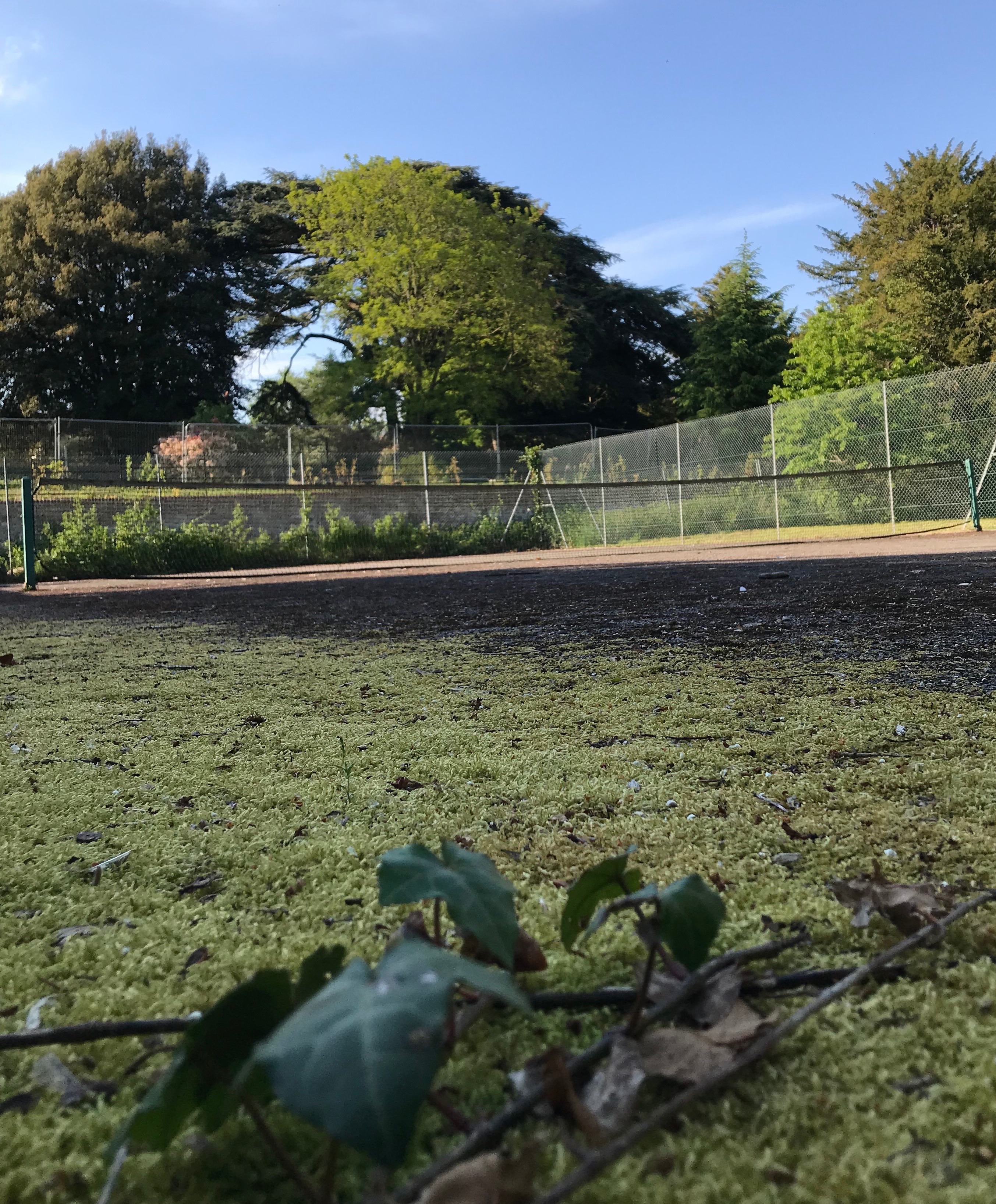
As I love tennis so much, I always feel depressed seeing this old court abandoned by the council to a huge patch of spreading moss. But even moss can look fascinating close up…

No time to find out right now what kind it is… but I will try over next day or two. Meantime, if anyone knows do tell me!

Lace by the river

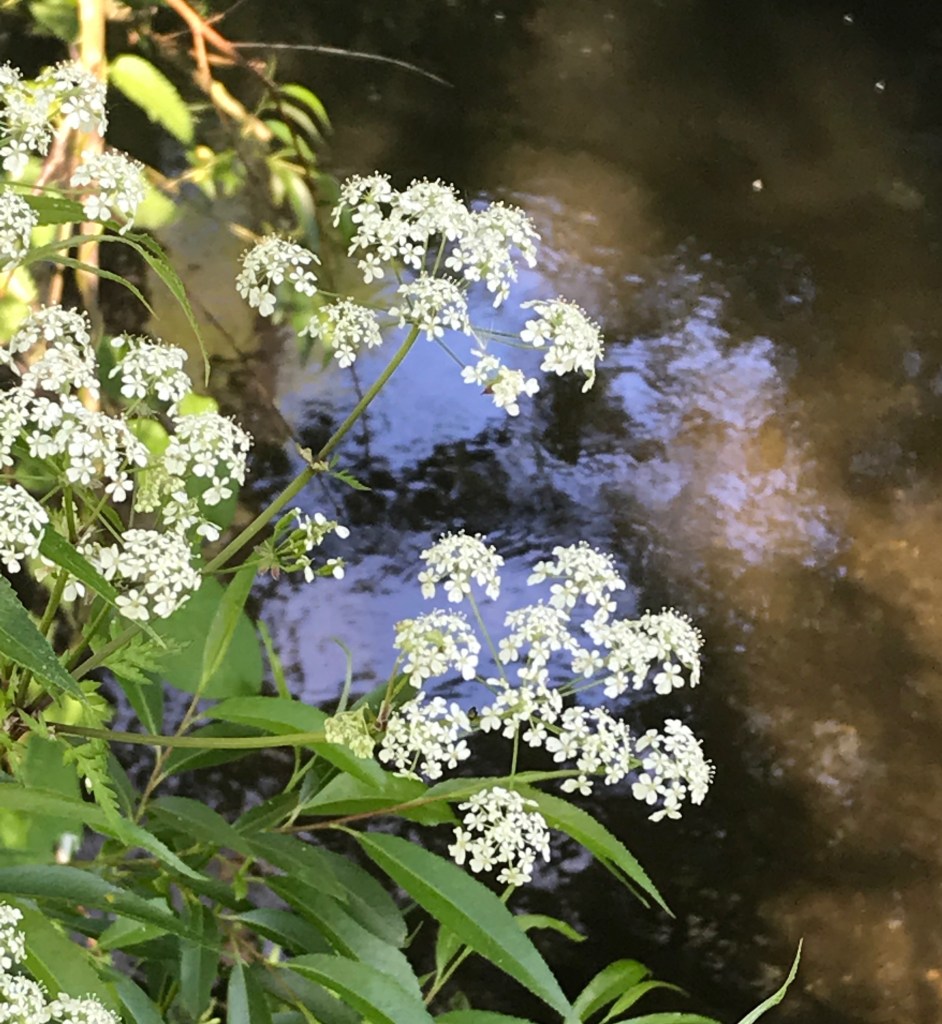
DAY 46 (21 MAY) – Cow parsley (Anthriscus sylvestris) (River Wey)

The River Wey meanders narrowly through much of rural Surrey, here bordered by cow parsley and reflecting the blue sky of late afternoon. Something resembling summer today.

Also known as Queen Anne’s lace, wild chervil and keck, it attracts creatures as diverse as orange-tip butterflies, marmalade hoverflies and rabbits.

Bee happy

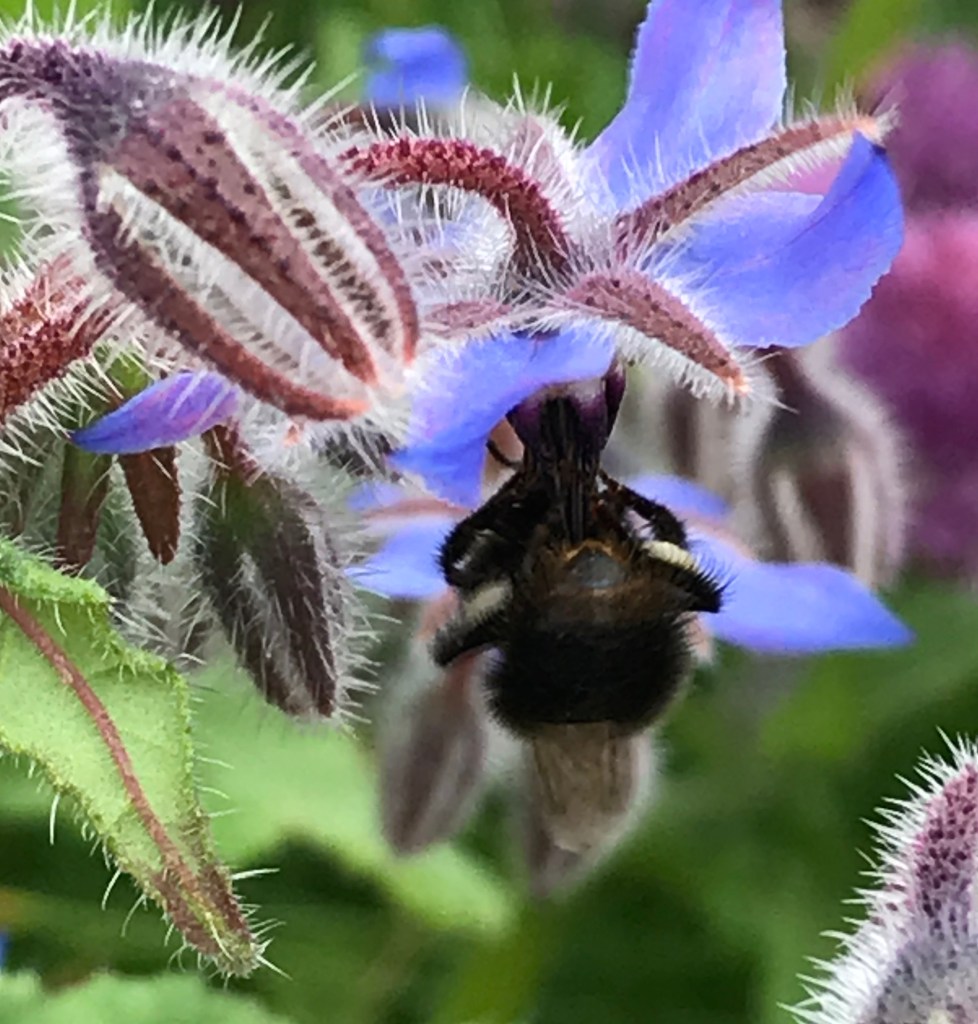
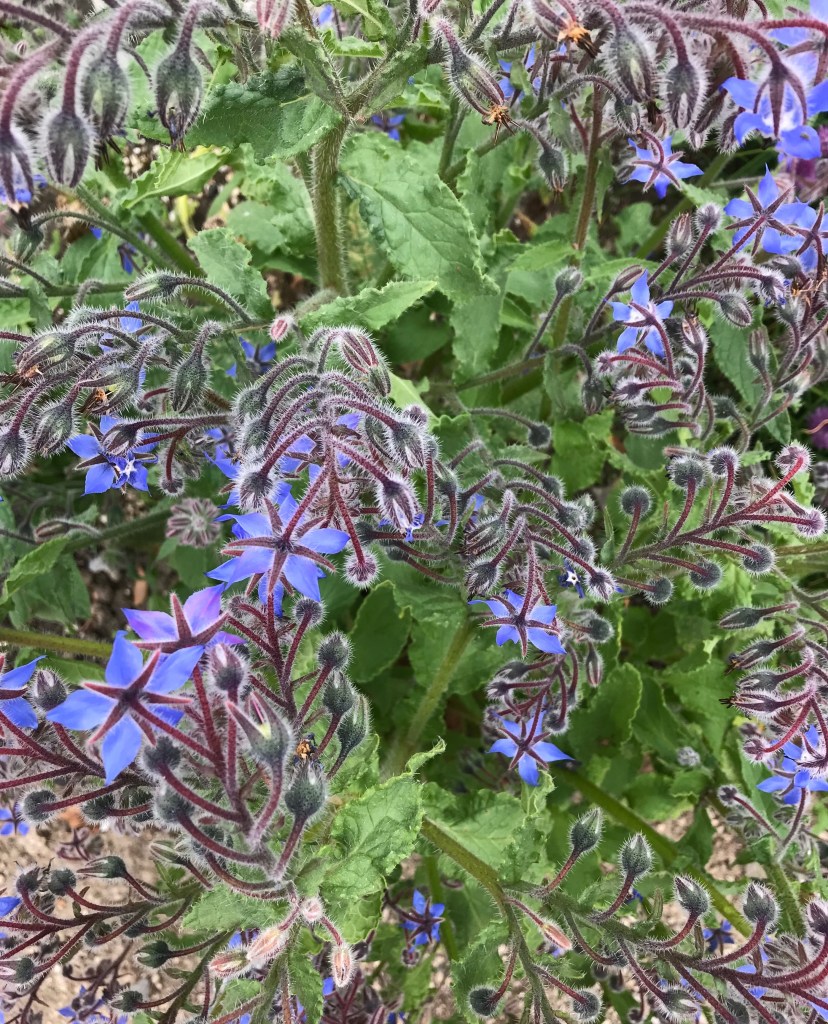
DAY 45 (20 MAY) – Beebread (Borago officinalis) (West Dean, Sussex)

Couldn’t resist the hairy stems and dinosaur-drooping heads of this interesting plant in the kitchen garden at West Dean today. Neither could this gorgeous bumble bee – and many others.

The annual herb, also known as borage, is native to the Mediterranean area. It’s commonly used as ravioli filling in Liguria, in green sauce in Frankfurt and to flavour pickled gherkins in Poland.

And presumably some will be enjoying it in Sussex too.

Wall art

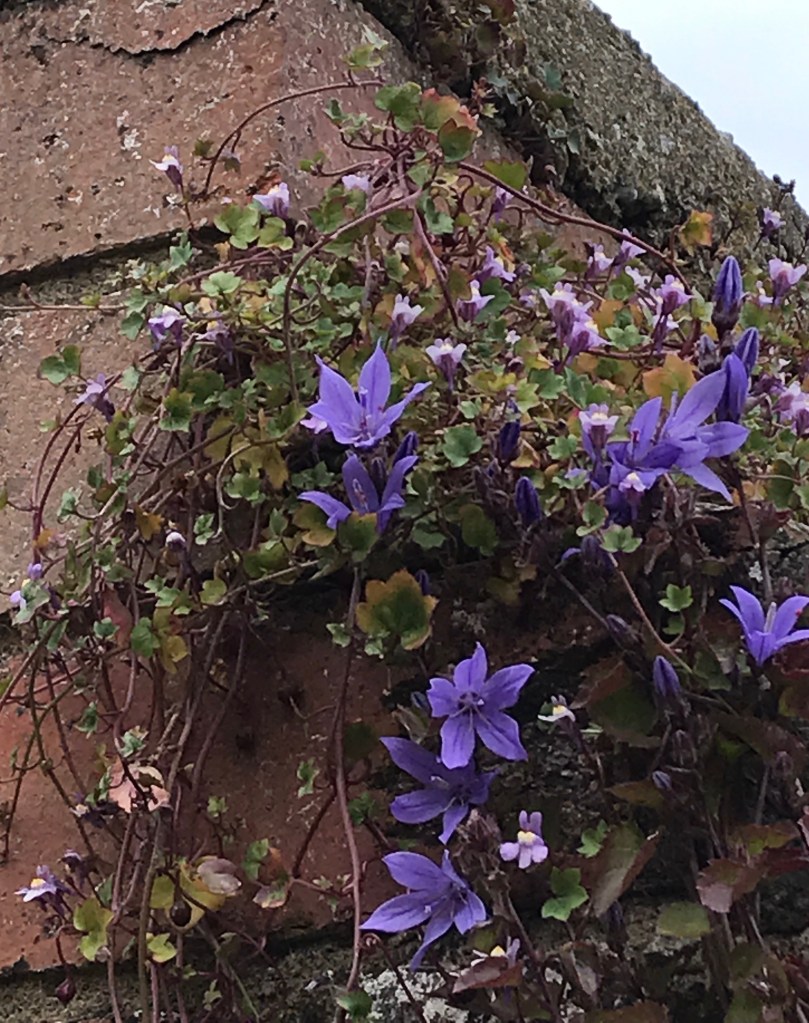
DAY 44 (19 MAY) – Trailing bellflower (Campanula poscharskyana Degen) (Farnham)

My favourite plants are often those that seed themselves, enhancing the appearance of the man-made or decorating a plainer expanse of the natural world. Today’s post is the first dedicated to little things that grow in, or cling to, walls.

This trailing bellflower has a Latin name that sounds like a Serbian farmhand, and it’s also known as Serbian bellflower – presumably because it’s native to the Dinaric Alps in former Yugoslavia.

It is beautifully accompanied by the smaller pale lilac flowers of wandering sailor (cymbalaria muralis). Love how nature throws together matching colours so effortlessly.

London park delights

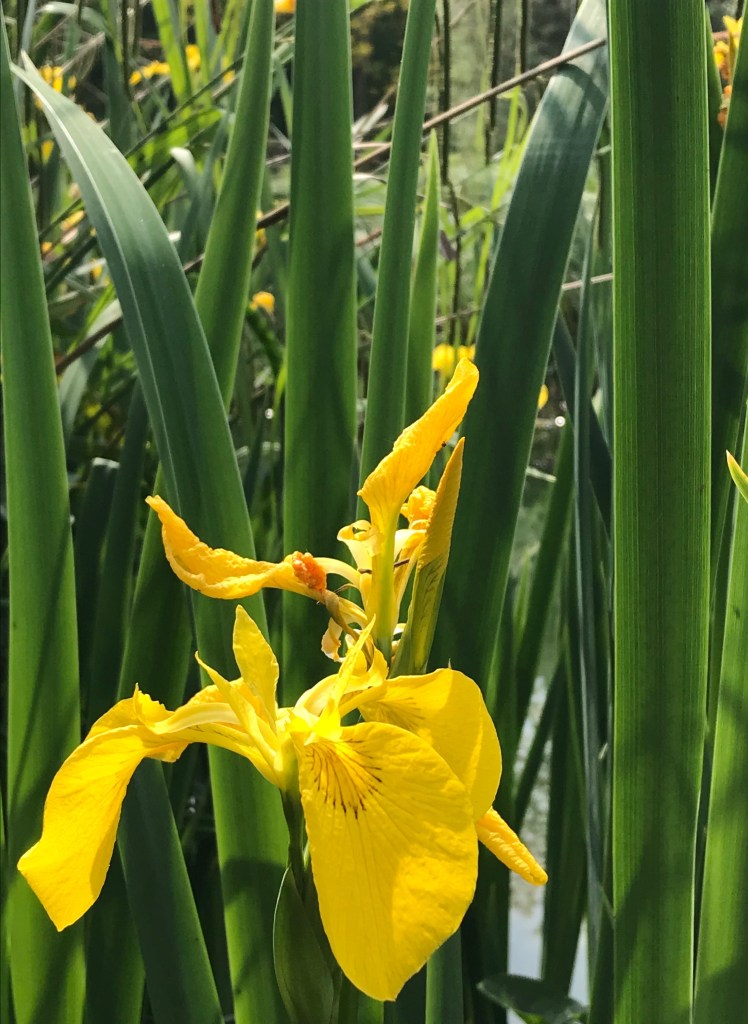
DAY 43 (18 MAY) – Flag iris (Iris pseudacorus) (Ealing, London)

These yellow flag irises in Walpole Park lit up an uncertain spring day, providing hiding places for ducks and moorhen chicks.

Even though the iris and the lily are two different plants, it’s thought their shape inspired the Fleur de Lis associated with the French and Spanish (House of Bourbon) monarchies.

‘Bloody Bells’

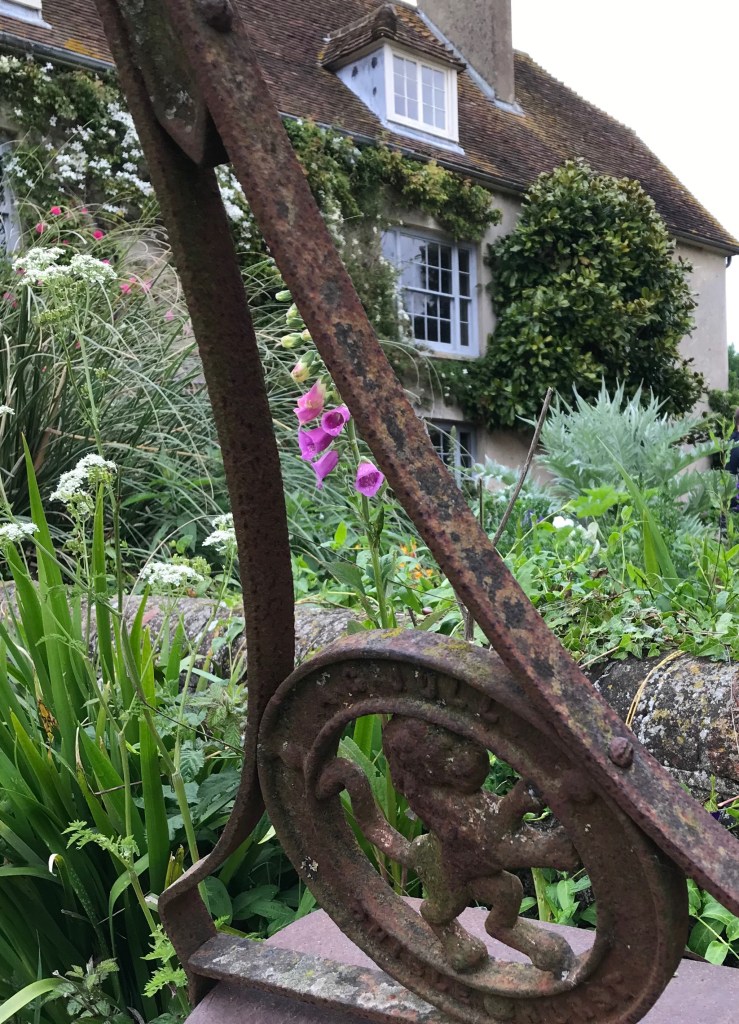
DAY 42 (17 MAY) – Foxglove (Digitalis purpurea) (Charleston, East Sussex)

Here at Charleston Farmhouse today I spotted a lone foxglove providing a splash of poisonous colour amidst the greenery.

Among others from the Bloomsbury Group, this was the home of Virginia Woolf’s artist sister Vanessa Bell, her two sons Julian and Quentin Bell – and her lover Duncan Grant. And it turns out Foxgloves are also known as Bloody Bells. Coincidence I’m sure.

Suburban street art

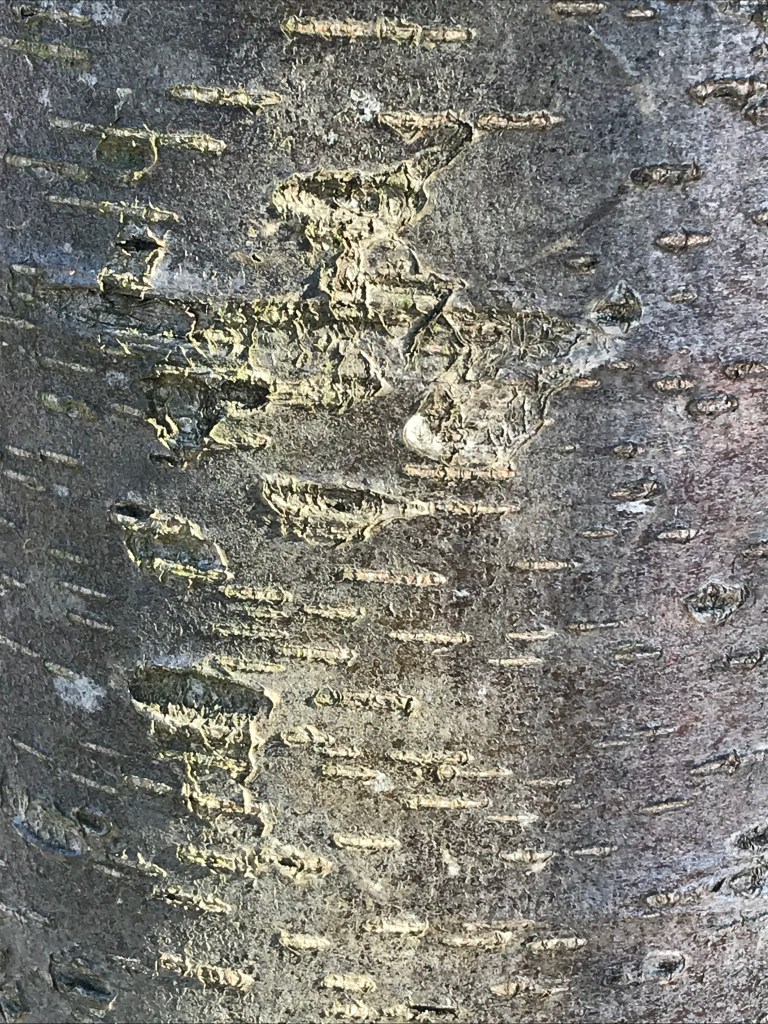
DAY 41 (16 MAY) – Rowan tree (Sorbus aucuparia) (Greater London)

Hmm. Had the feeling today when I discovered this tree in a suburban street that I’d found it at the wrong time of year. After the white flowers and much too early for the bright red berries which, in autumn, will be loved by blackbirds, thrushes and redstarts.

Perhaps that’s true of many trees. Summer will be the in-between time when we have to lie back and admire the foliage…

I did like its mimosa-style leaves flickering in the breeze and the silvery bark was beautiful as it caught the late afternoon sun.

The rowan was once widely planted by houses to protect them from witches. And its Celtic name ‘fid na ndruad‘ means Wizards’ Tree. I’m looking forward to the autumn magic.

Blue on blue

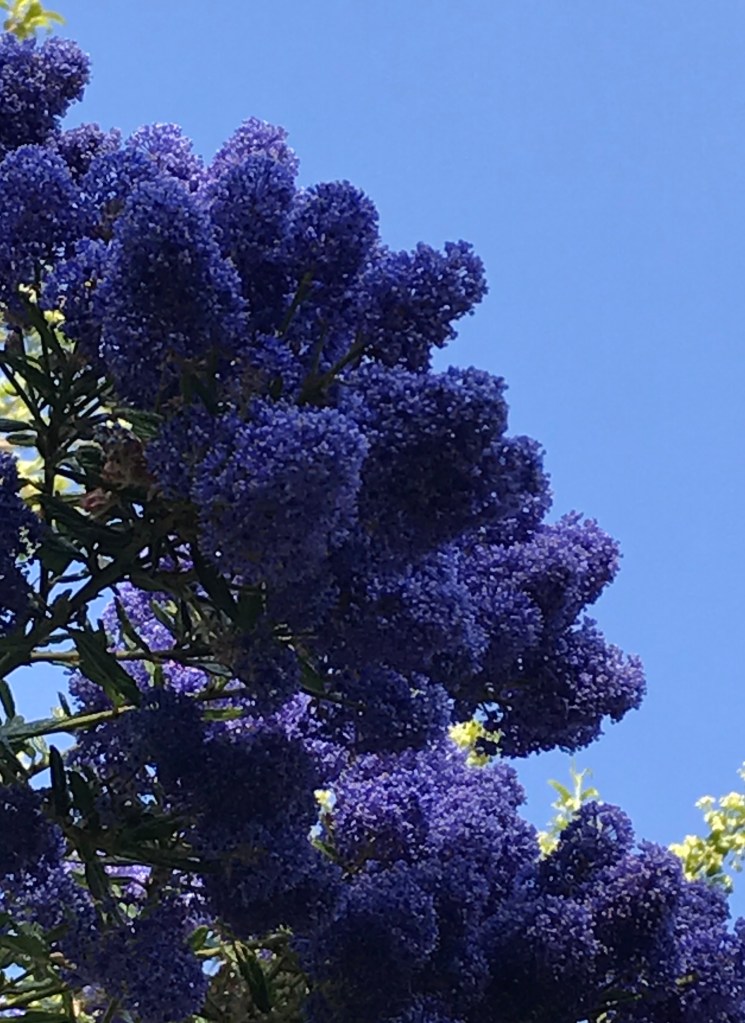
DAY 40 (15 MAY) – Ceanothus ‘Blue Mound’ (Farnham)

Feels like cheating taking a picture in the garden. But these won’t last much longer and I loved to see this blue cloud against a cloudless blue sky. The sound track was a loud hum of happy bees.

Apparently the ceanothus is endemic to North America, in particular California. And the leaves of one kind – ceanothus americanus or New Jersey Tree – were used as a black tea substitute during the American Revolution.

Tree of memories

DAY 39 (14 MAY) – Lombardy poplar (Populus nigra ‘Italica’) (Farnham)

Another of my favourite trees. When a whole row near my childhood home was chopped down I felt as though part of my history had been felled. The council said they were a hazard. Most likely a small branch fell during a storm. Worth the risk…

Horrible to read that it’s the most endangered native timber tree in Britain (Forestry Commission). And, according to the Woodland Trust, “it is rarely found” except in Shropshire, Cheshire, Somerset and East Anglia.

But we have this beautiful curved row here along the River Wey. I love how they sway wispily in the wind. Plus they remind me of driving across France. Bliss.