Raindrops keep falling…

DAY 28 (3 MAY) – European smoketree (cotinus coggygria) (Farnham, England)
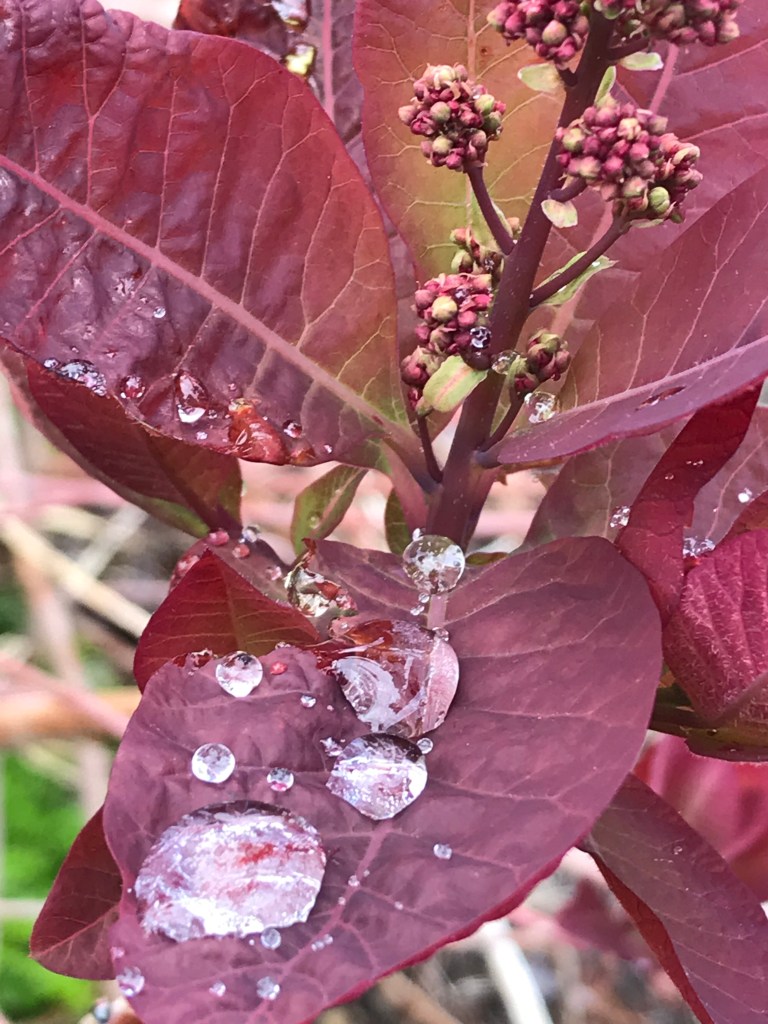
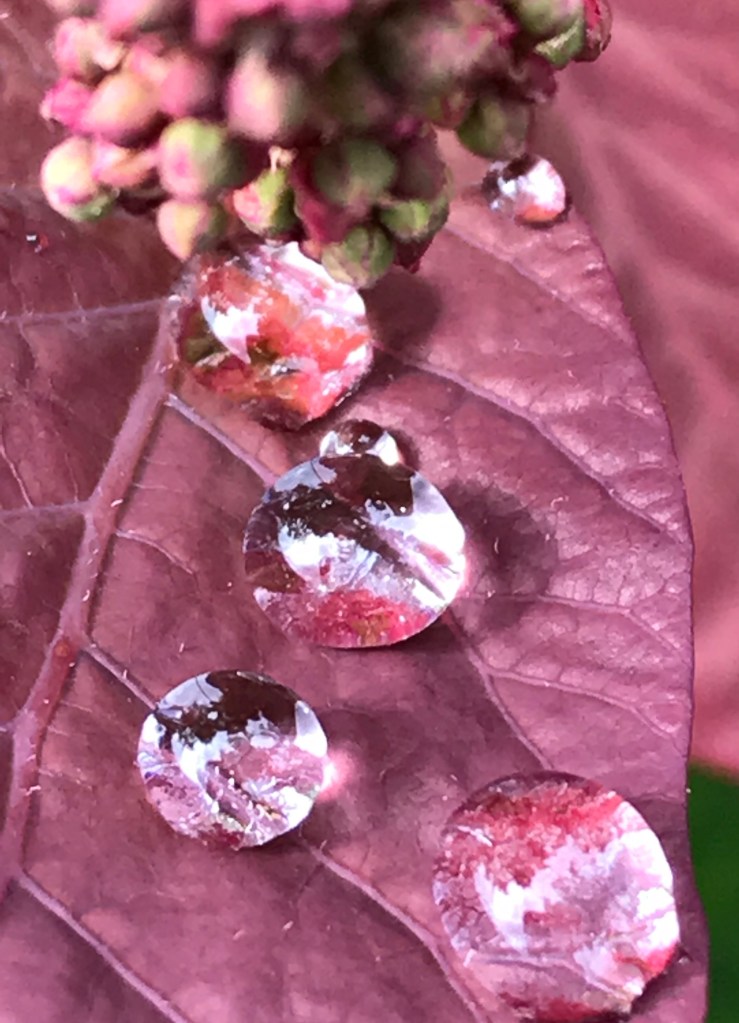
These raindrops are almost as twinkley as Sacha Distel’s eyes. I’m mesmerised by the reflections in them. Like perfect miniature paperweights.

I find them more interesting than this smoketree, though I like its colour. So I’m giving them a Latin name I’ve made up – but it could be close: casus pluvium. (Apologies to Rees-Mogg supporters, though I doubt they’ll be reading my blog.)
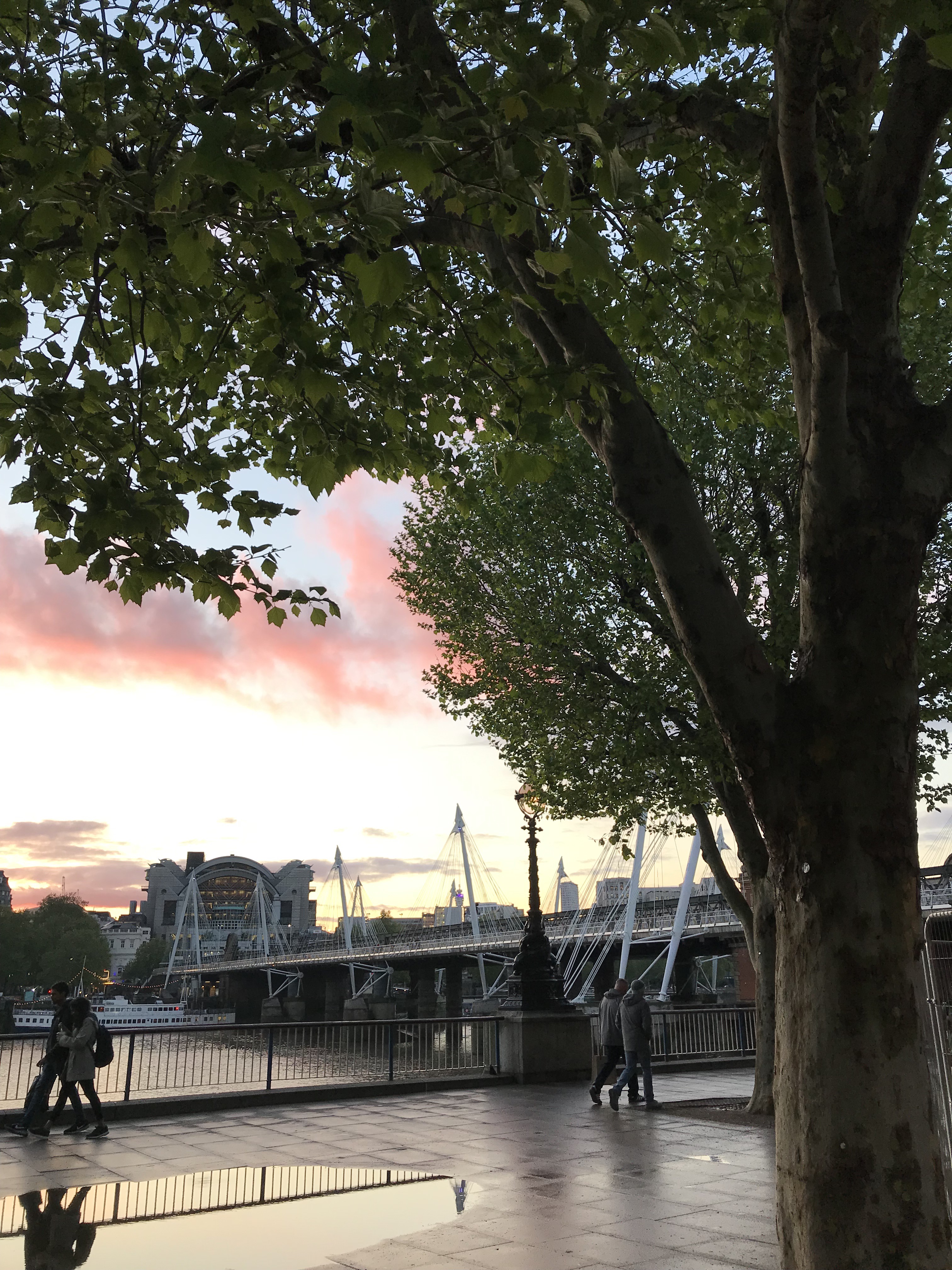
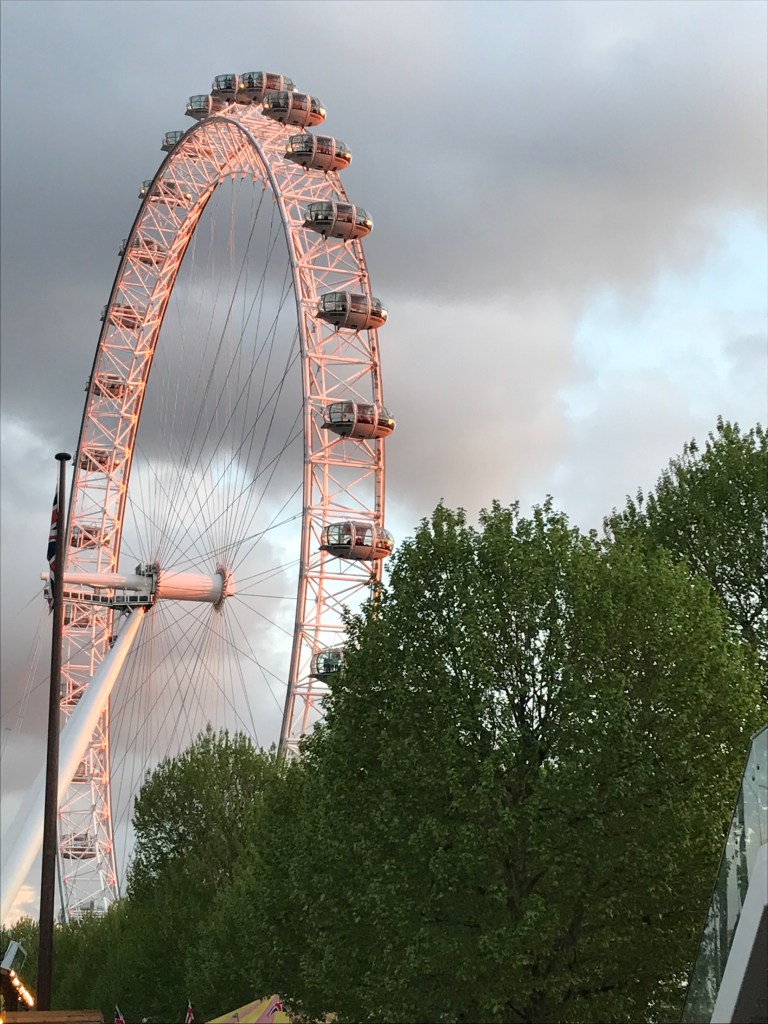
Hispanics by the Thames

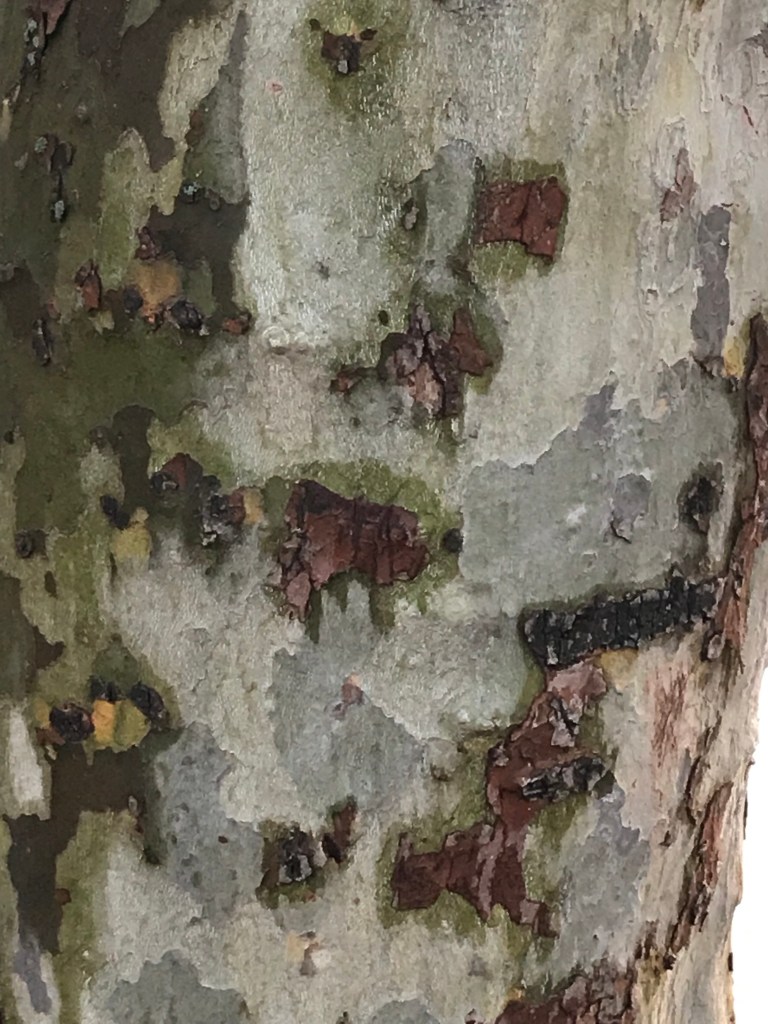
DAY 27 (2 MAY) – London plane (platanus hispanica) (South Bank, London)

Author William Boyd said the plane tree “should be incorporated into the city’s crest so omnipresent is it in London’s streets and in its parks.” They are the tallest trees in London, and the first were introduced from Spain in the 17th century.

Apparently it’s a hybrid of planatus orientalis (oriental plane) and platanus occidentalis (American sycamore). It sheds its bark, leaving a painterly camouflage pattern, a process that’s believed to make it more resistant to the capital’s polluting toxins.

Orange in the churchyard

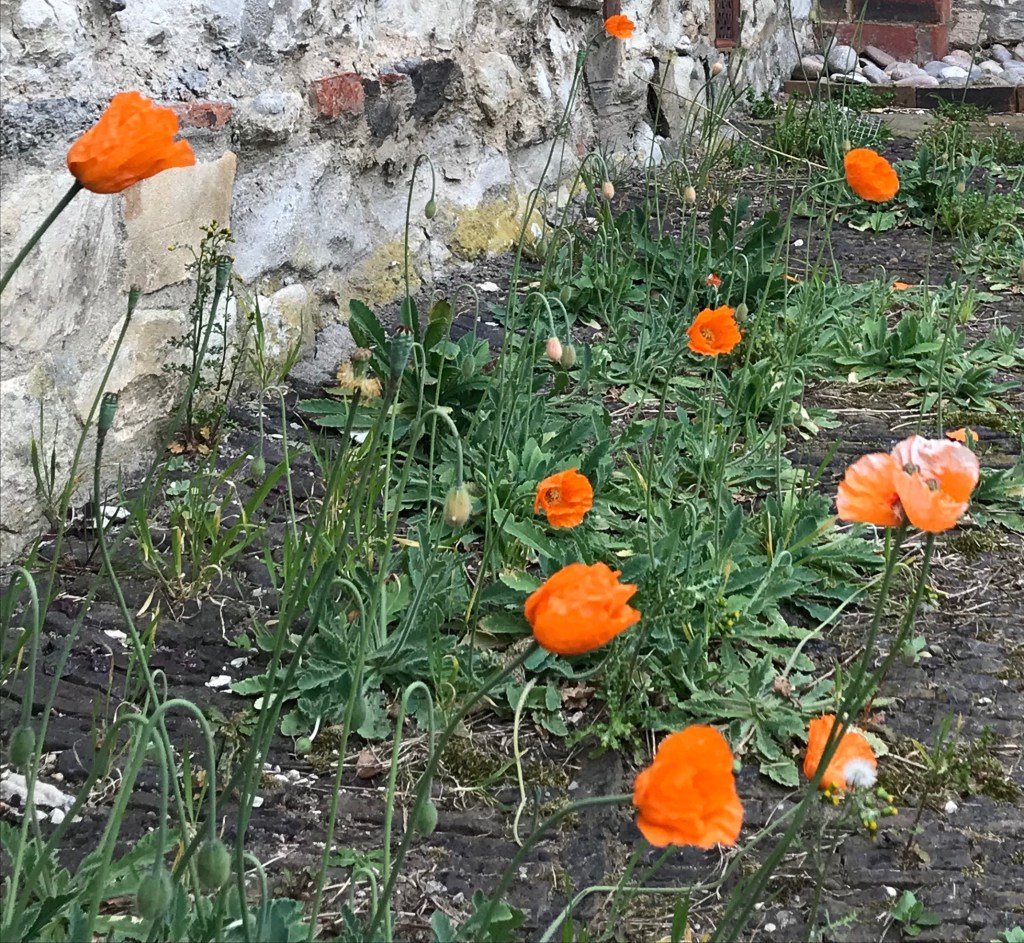
DAY 26 (1 MAY) – Poppies (papaver ???) (Farnham, England)

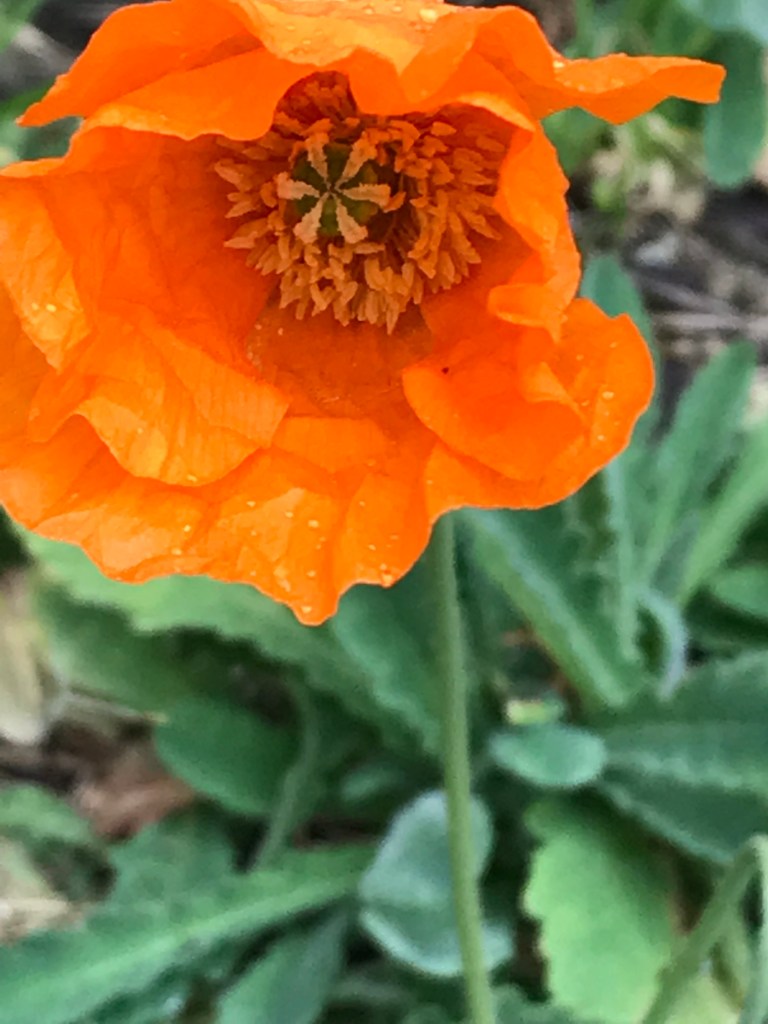
I’ve always loved the flimsiness of poppies. And the way they appear so casually scattered. These gorgeous orange ones stopped me in my tracks, growing messily by a church wall.

But I can’t decide what type they are… it’s between Shirley poppy (papaver rhoeas), but the leaves aren’t quite right, and Arctic/Iceland poppy (papaver nudicaule). Any ideas?

Actually I wanted them to be papaver somniferum (Opium poppy) – only because the name makes me wish Latin was my first language.

Robust national treasure

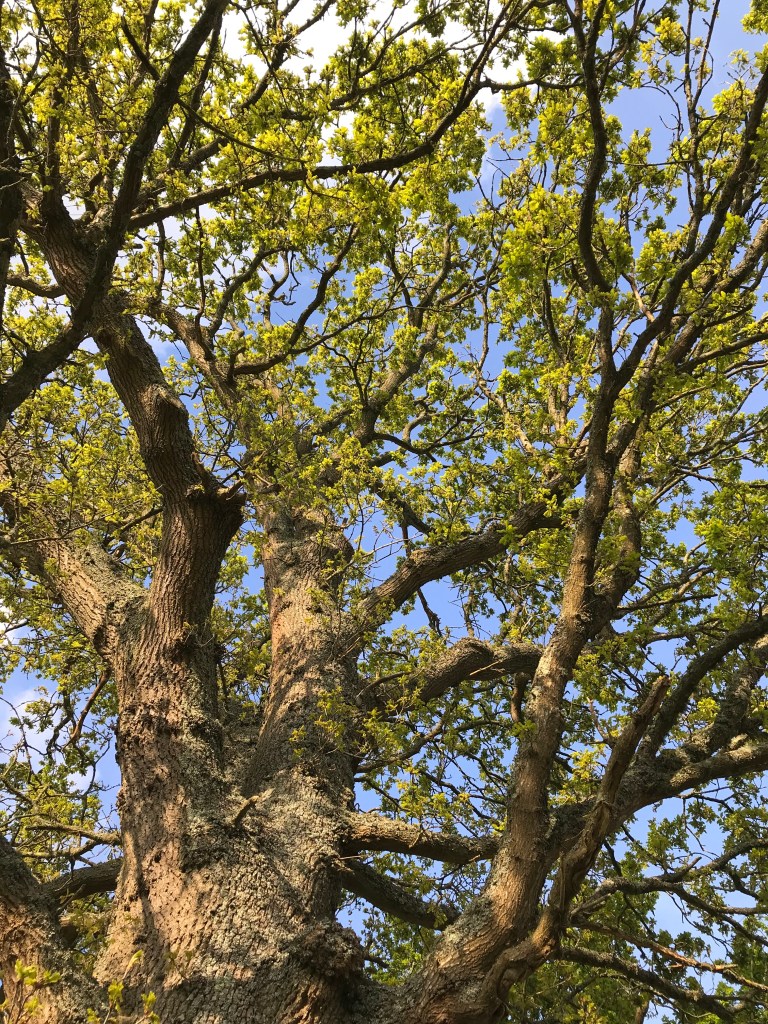
DAY 25 (30 APR) – Pedunculate oak (quercus robur) (Farnham, England)

The oak tree: / not interested / in cherry blossoms (Haiku by Matsuo Basho)

Our national emblem. The common oak. Nothing to prove.

I do just have a quick question: does anyone know why some of the leaves in spring are half brown like these on the right? They were in a very wooded area. I think they’re even more beautiful that way.


Honeyed fields of Hants

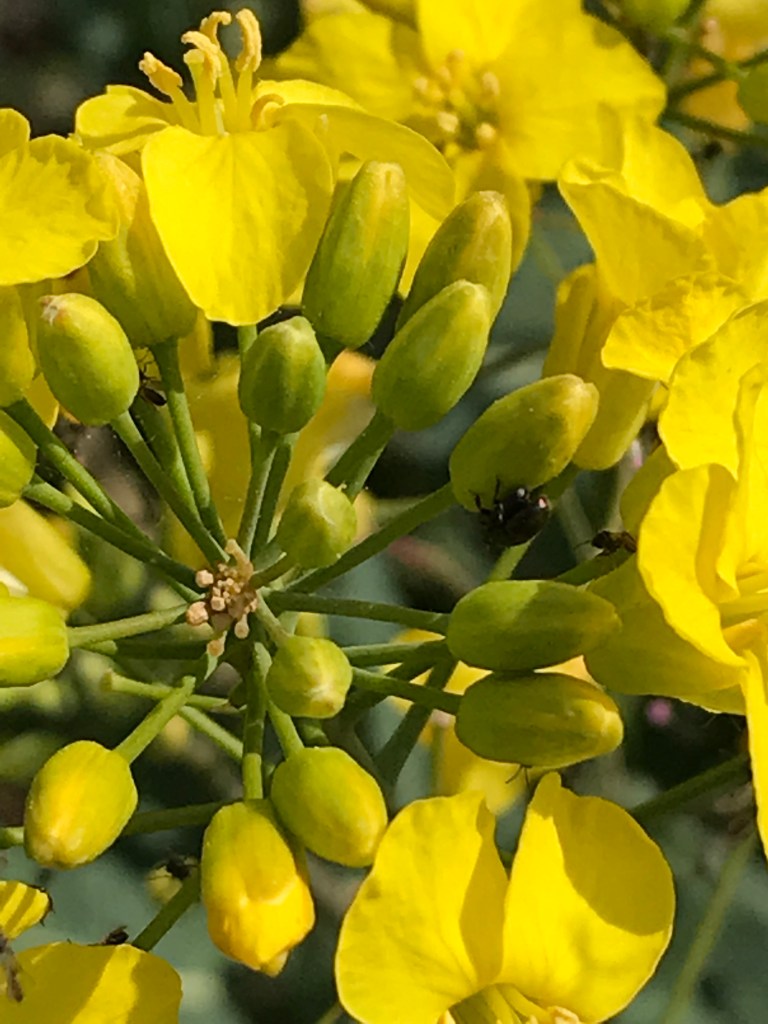
DAY 24 (29 APR) – Rapeseed (brassica napus) (Hampshire, England)

Not only is the Hampshire countryside gorgeously rolling, it’s now covered with these joyous fields of rapeseed. No wonder the flowers are crawling with pollinating insects: their scent is an irresistible blend of honey, mustard and musk.

I’d no idea rapeseed had been around so long. It was among the first plants to be widely cultivated by mankind some 10,000 years ago. And it was grown in India as early as 4000 BC.

Cold-pressed rapeseed oil is now high fashion among celebrity chefs, and marketed as our national oil – grown by UK farmers. I’m a convert.

Autumn beauty in spring

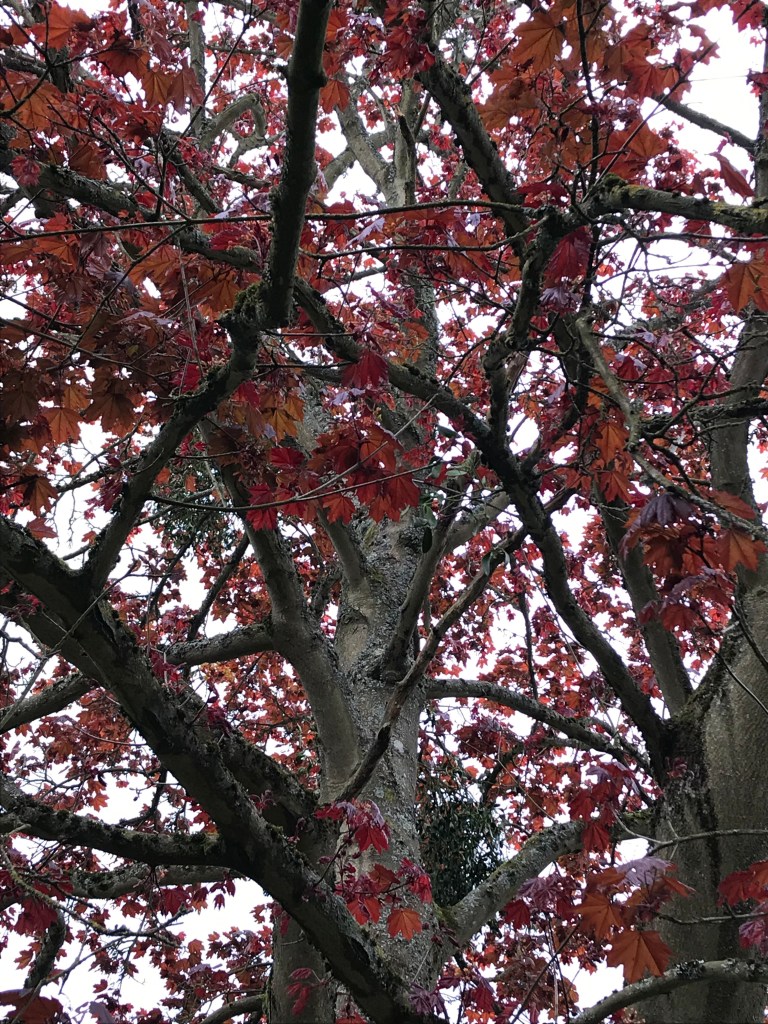
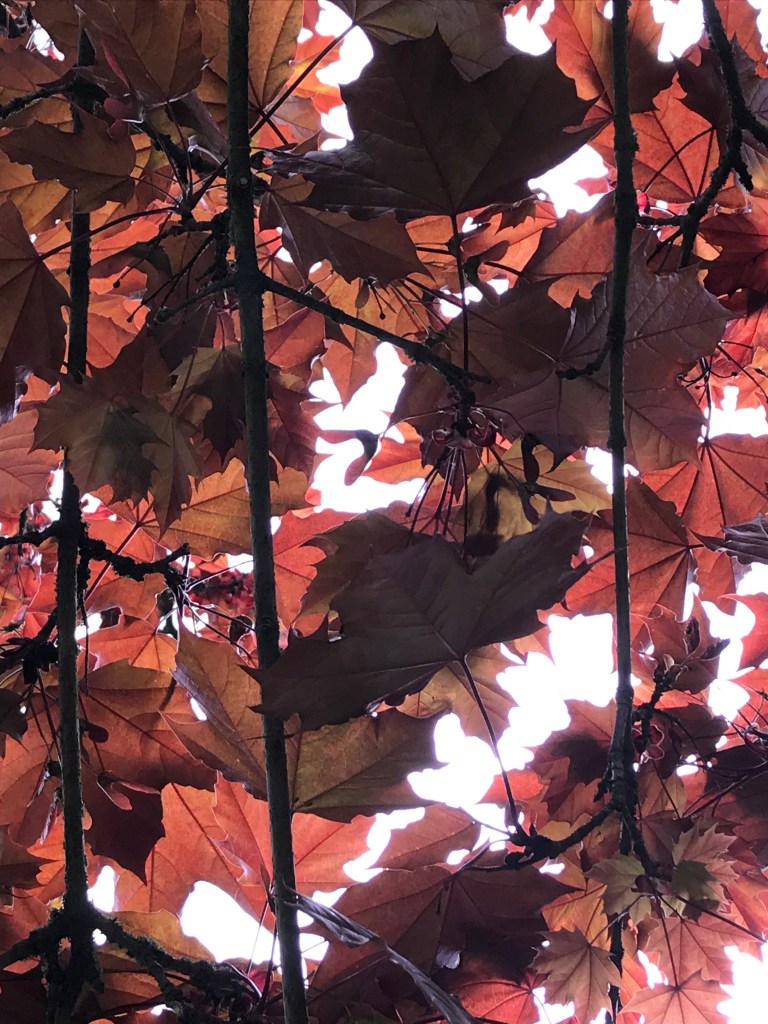
DAY 23 (28 APR) – Norway maple (acer platanoides) (Farnham, England)

Blighty’s dull skies look better through the beautiful foliage of this Norway maple. I love the geometric patterns of its branches.

I also like that it bucks the trend and opts for autumn colours now in spring. I started thinking it must be a red maple but their leaves are truly red – not wine-coloured like these. And they’re native to North America, whereas the Norway maple is more common in Europe.

Bitter sweet

DAY 22 (27 APR) – Seville orange (Jerez airport, Spain)

A fitting subject for a farewell photo. The Seville orange is iconic in these parts.

Oranges were introduced to Al-Andalus by the Moors. The trees with their sweet-smelling blossom line the streets of Seville and many of the towns in this region. Visitors wonder why fallen oranges are often left to rot here. It’s because they are too bitter to take home and eat, but do of course make excellent marmalade.

Behind the orange tree, I couldn’t help noticing the flags on top of the departures building. Spain on the right, Andalucia in the middle, and Europe proudly displayed on the left.

Red under the sun

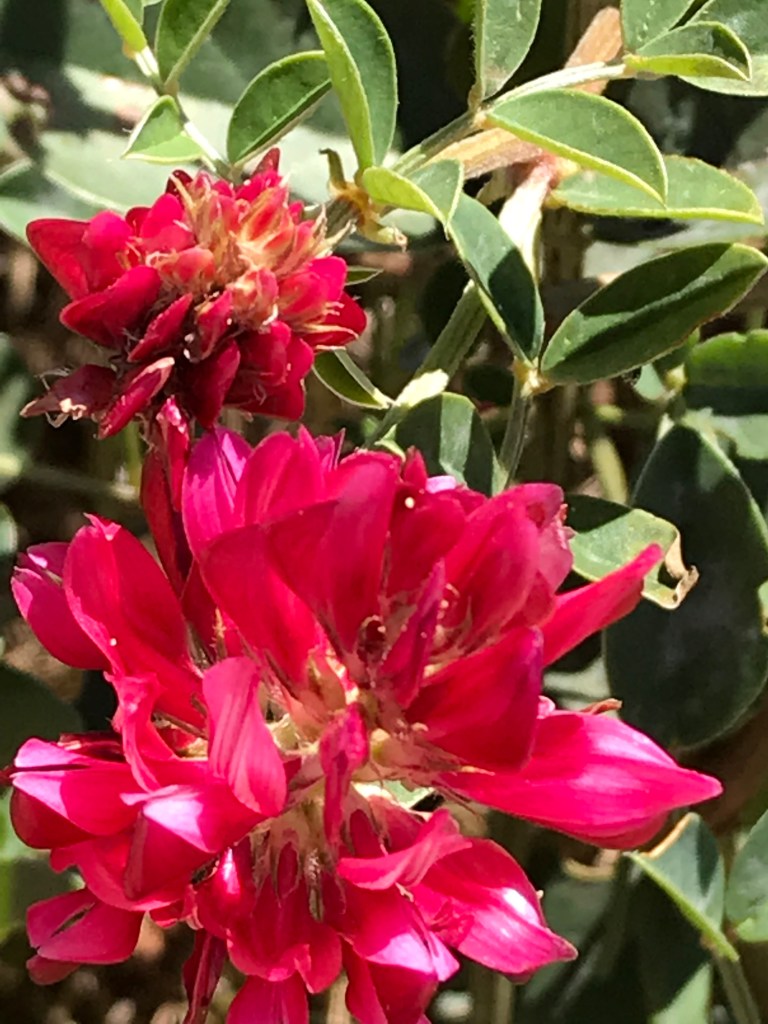
DAY 21 (26 APR) – Cock’s-head (Hedysarum coronarium) (El Palmar, Spain)

First day of pure blue sky. Described as a perennial herb, these bright red cock’s-heads are everywhere behind the long beach. I also saw them yesterday by the roadside in the La Janda Wetland.

They are native to North Africa and this part of Spain. It’s easy to see how the seeds could blow across the Gibraltar Straits on the strong Levante wind.

Cock’s-head is sometimes cultivated for animal fodder and hay. The roots are also apparently a major food source for grizzly bears – though nowhere near here!

Siesta interruption

DAY 20 (25 APR) – Cattle egrets (bubulcus ibis) (La Janda Wetland, Spain)


Very excited to include the first birds of my nature journey.

Driving (very slowly) through this historic wetland – a vital staging post for a huge variety of migrating birds that cross the Gibraltar Straits – I suddenly saw loads of nesting cattle egrets. These are native here.

The orange patches and crest apparently indicate breeding birds or juveniles. I probably broke all bird-watching rules by getting too close but their flapping made for good pictures.

I think the cute hoopoes that arrive later in summer might use the same nests – will report when the time comes.

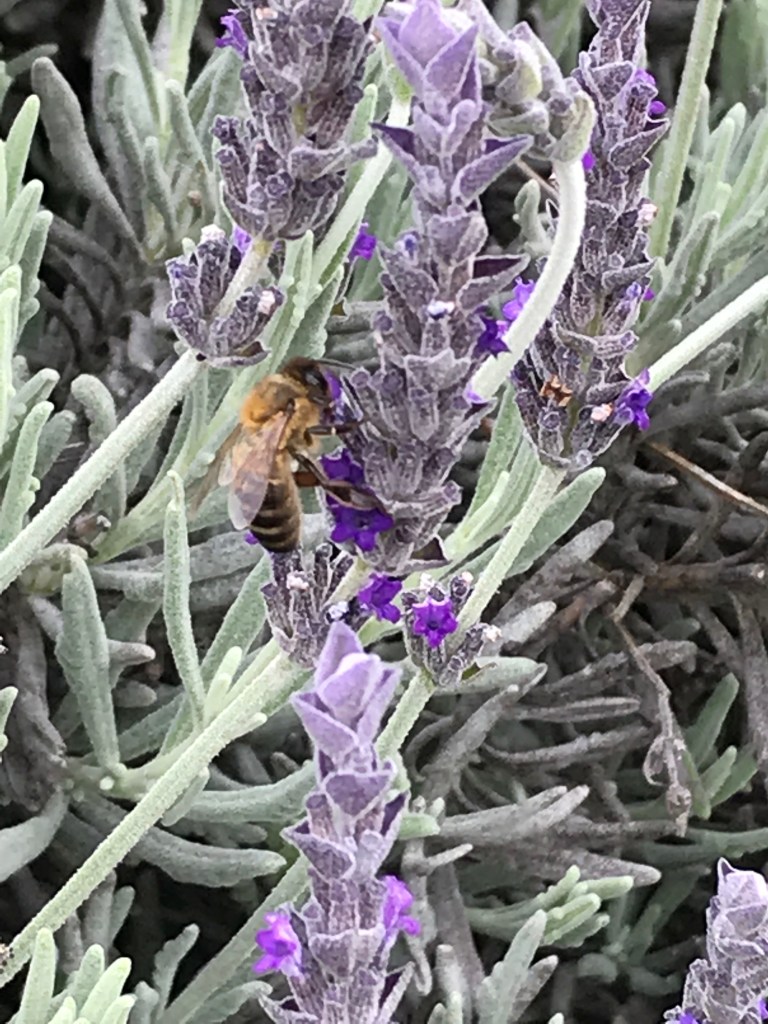
Lavender with bee

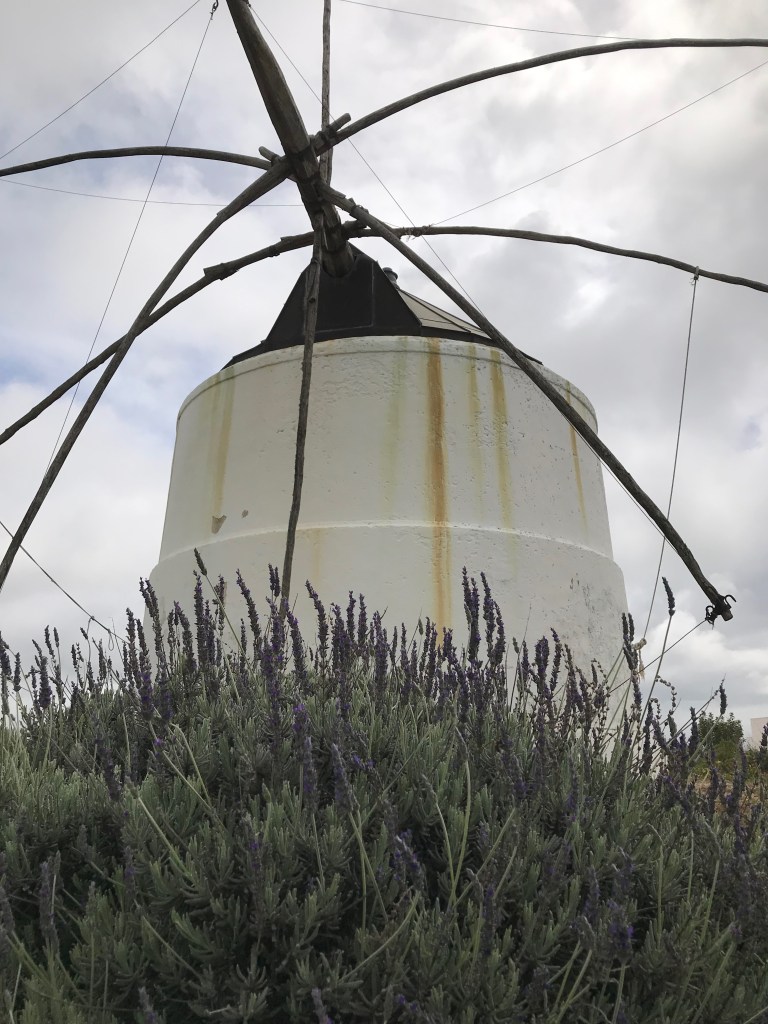
DAY 19 (24 APR) – Lavender (Lavandula augustifolia) (Vejer de la Frontera, Spain)

Lavender growing wild beside a disused windmill. Its nectar is attracting loads of bees (they look like pictures of mining bees…) or hover flies – hard to tell which.

The surprise is that it’s English lavender, with the long narrow flowers – not the more flamboyant French variety that normally grows here.

In Spain, where superstition thrives, lavender has been used on bonfires or strewn on church floors at the festival of San Juan in June to ward off evil spirits.