Spanish colours

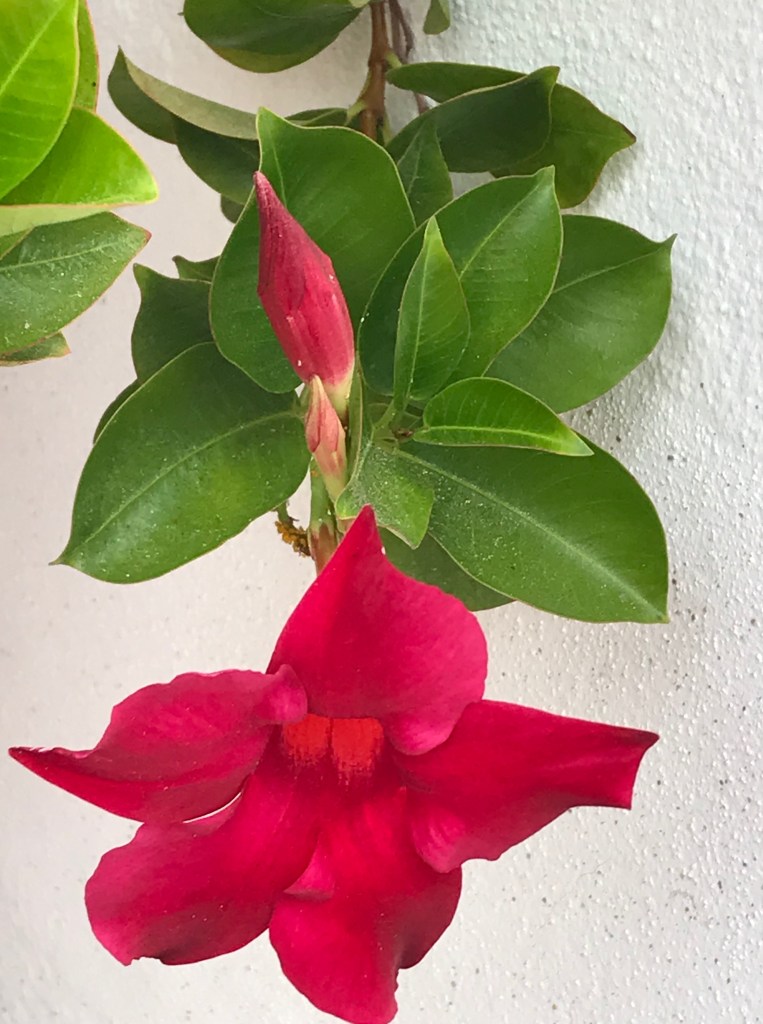
DAY 98 (12 JULY) – Brazilian jasmine (Dipladenia sanderi) (Vejer, Spain)
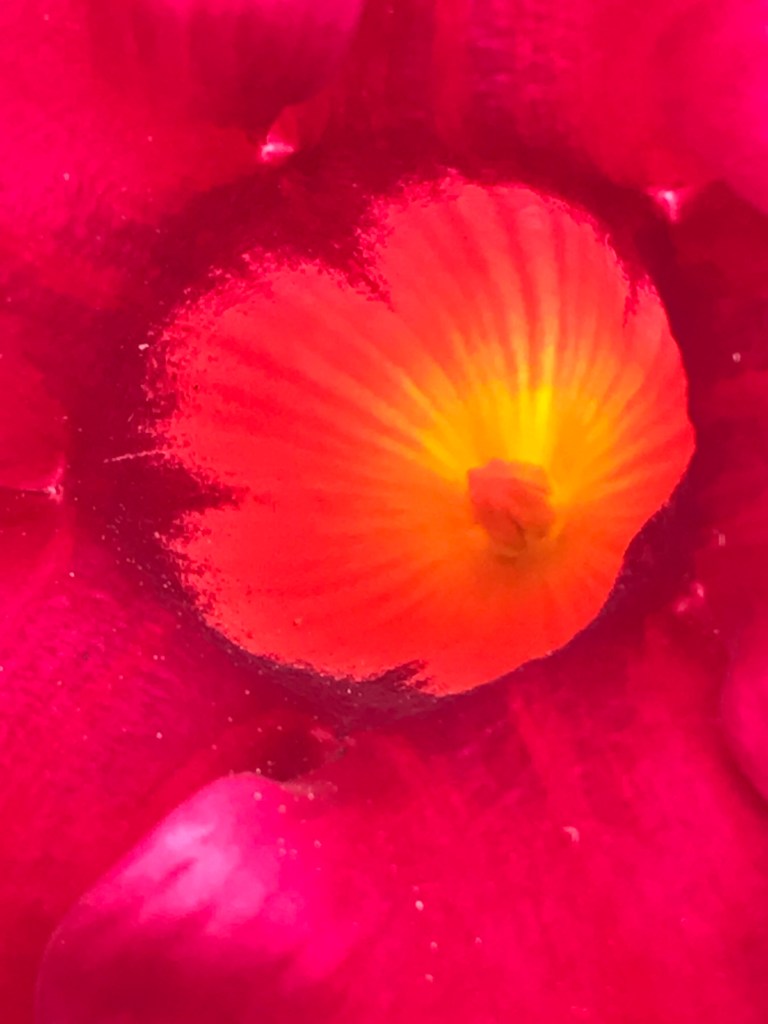
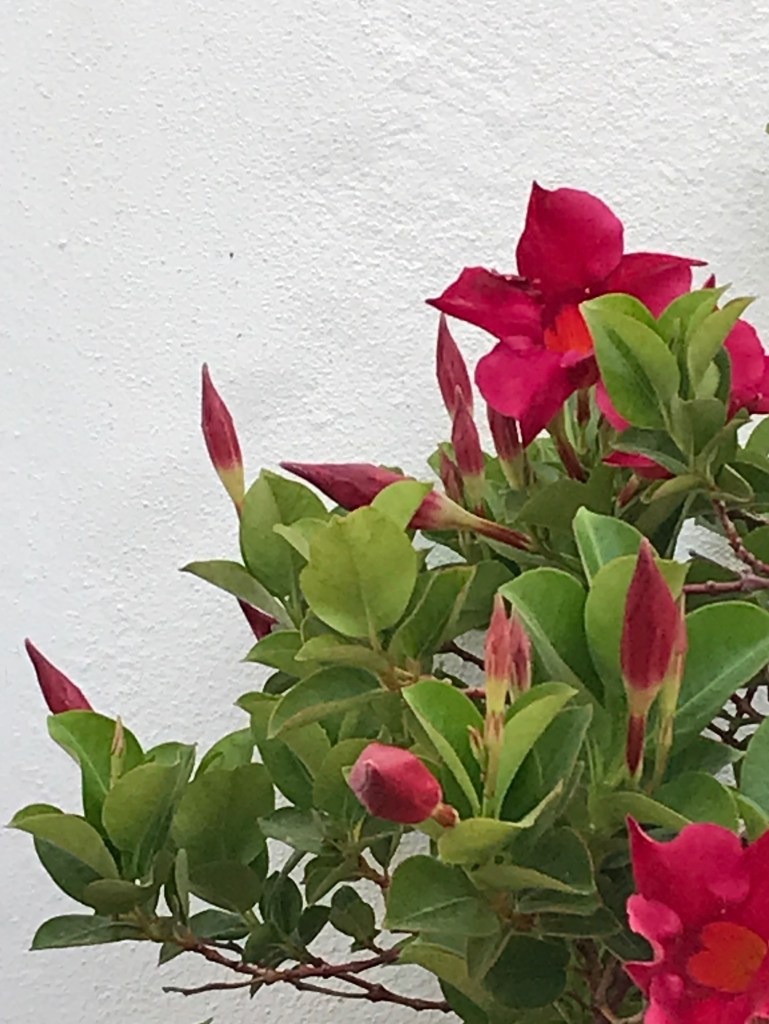
I chose this red flower with a yellow centre today to celebrate two Spaniards reaching the Wimbledon semi-finals.

It seems the most dramatic plants here in Andalucia originate in South America. This one is native to the province of Rio de Janeiro and produces flamboyant flowers from May to October. I’m beginning to understand why white walls are so popular here.

Church flowers

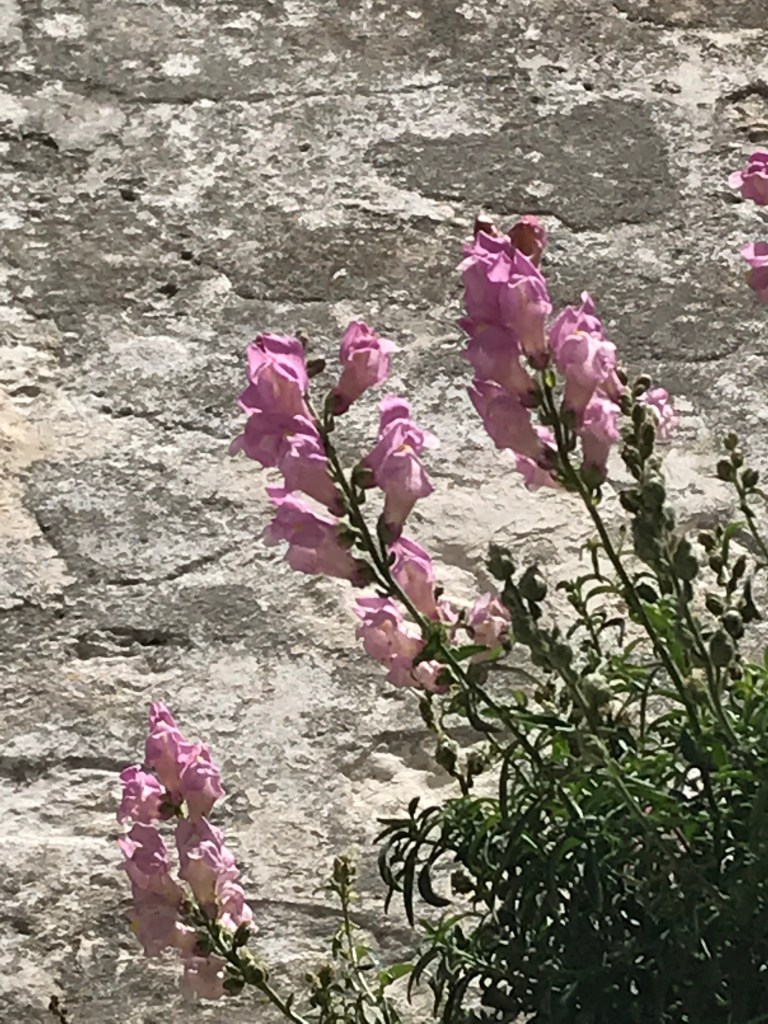
DAY 97 (11 JULY) – Snapdragon (Antirrhinum majus) (Vejer, Spain)

Well here’s a surprise. Last time I saw snapdragons was in my mother’s suburban London garden. But here they are, thoroughly at home, on a ledge at the Divino Salvador church.

It’s official: crevices and walls in the Mediterranean region are their natural habitat. And these particular snapdragons often have to share with a group of dozy pigeons, but there was no sign of them today.

Beach decor

DAY 96 (10 JULY) – Sea daffodil (Pancratium maritimum) (El Palmar, Spain)

Finally, a straight horizon… see earlier attempts below

Found this solitary sea daffodil, also called sand lily, close to other clumps on the beach today. They are scruffy and strangely beautiful at the same time. Native to the Canary Islands and the Mediterranean from Portugal (well, that’s the Atlantic) all the way to Turkey and the Georgian coast of the Black Sea, they are threatened with extinction in the Eastern Med because of tourism.

Strange fact: they depend on pollination by the hawk moth which only obliges when the wind speed is under two metres per second. Around here it is often much stronger…

FOOTNOTE: Nothing makes you feel more at odds with the world than a horizon that isn’t straight. I’ve learnt with this diary that it’s quite difficult to get it right – mainly I think because you are dazzled by the foreground. My excuse.

Fig fountain

DAY 95 (9 JULY) – Common fig (Ficus carica) (Vejer, Spain)

Whenever I pass a fig tree, like this one hanging over a drinking fountain lit by the evening sun, I think of my father who used to recite a little verse by Juan Eugenio Hartzenbusch to me, always in a theatrically deep voice:

Yo esa higuera planté y aquel manzano
y ambos me rinden hoy copioso fruto.
Hijos, igual tributo
debéis pagar a vuestro padre anciano.

It means something like:

I planted that fig tree and that apple tree / and both produce abundant fruit for me now. / Children, you must pay the same tribute to your old father.

Giants in danger

DAY 94 (8 JULY) – Washingtonia palm (Washingtonia robusta) (Vejer, Spain)

These lovely tall thin palms are native to Mexico but naturalised in Spain and many other hot countries. But they are being wiped out by the largest weevil in Europe – the red palm weevil. The female adults lay up to 300 eggs in holes in the tree (see below), and the larvae munch their way through the inside of the palm. Once they reach the crown, the palm can’t produce any more fronds and dies within months…

Wind-blown red

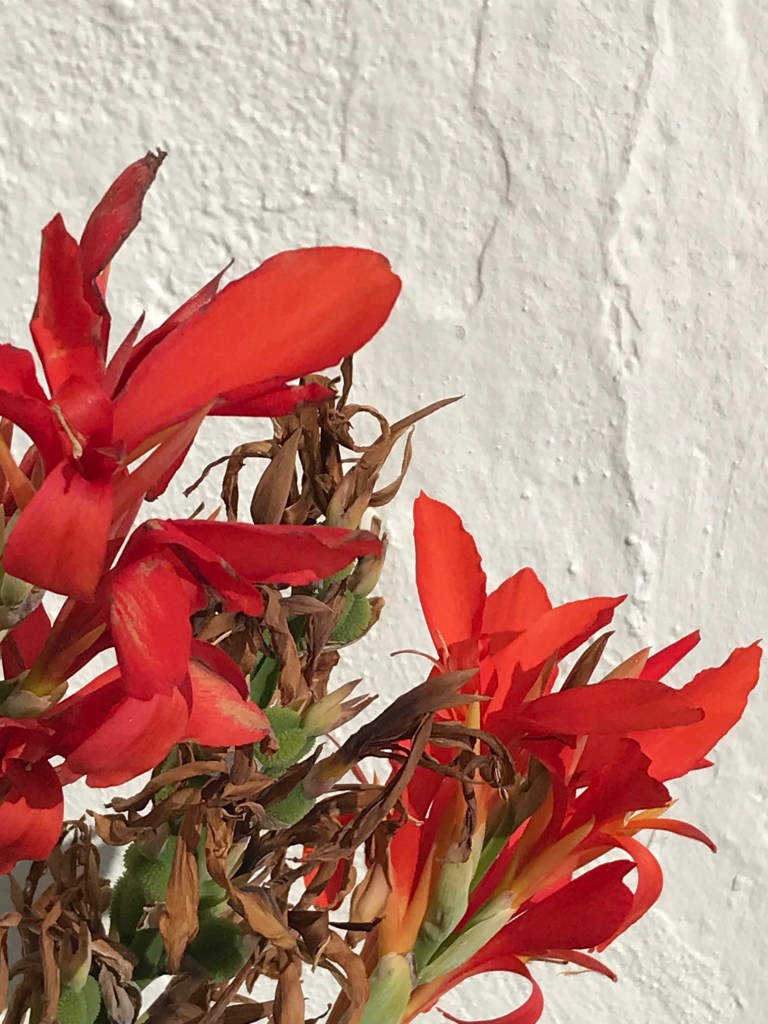
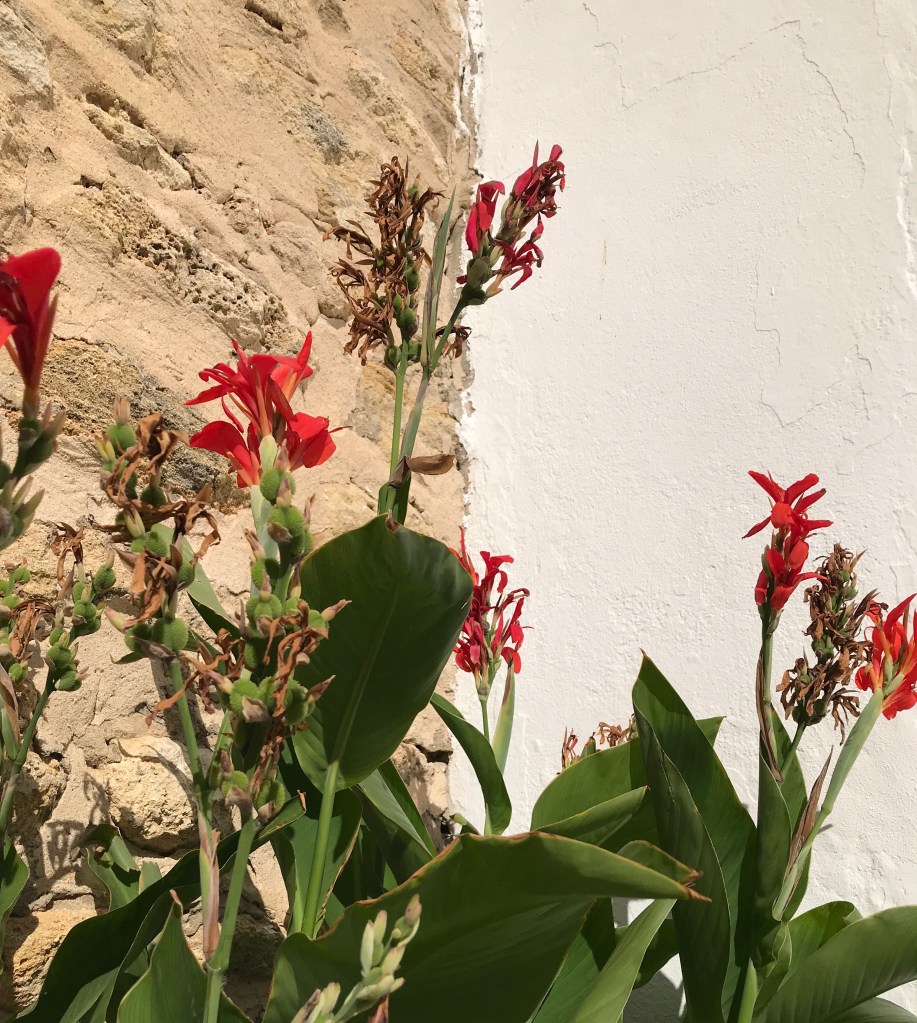
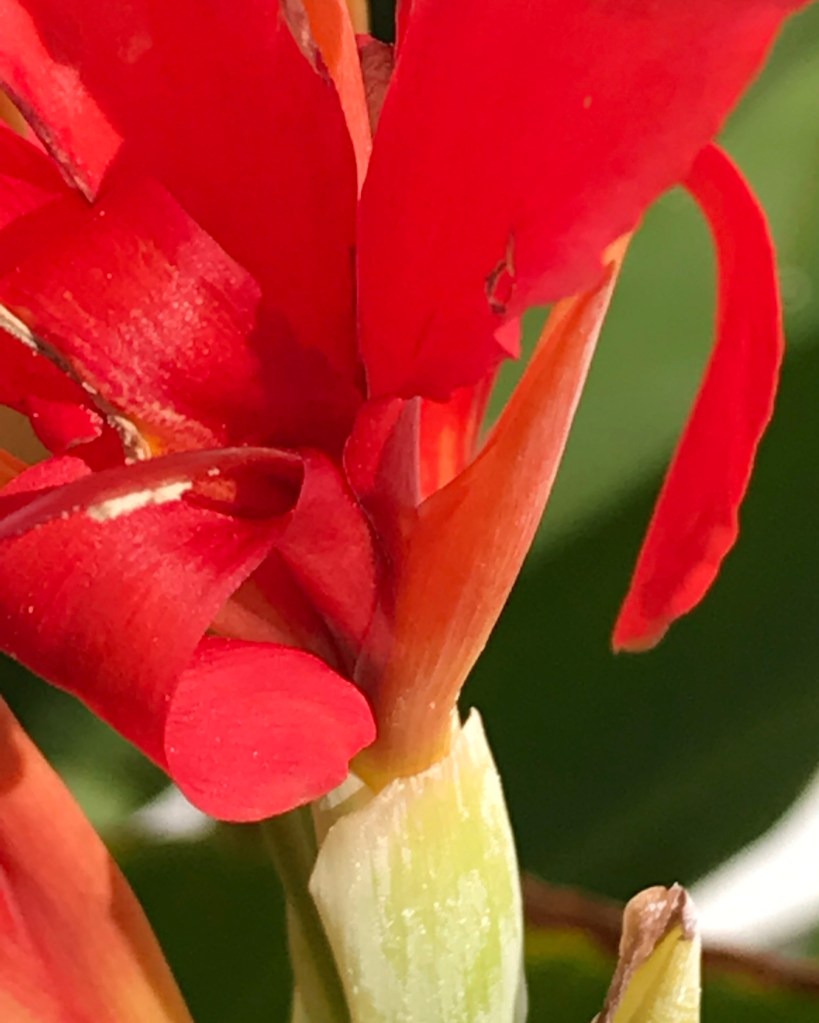
DAY 93 (7 JULY) – African arrowroot (Canna indica) (Vejer, Spain)

Returning to this town on the hill with a view of Morocco, it feels appropriate to discover a plant with Africa in its name: African arrowroot. It’s also known as Indian-shot and Queensland arrowroot.

Nestled in a right angle between the old town walls and a whitewashed house, I find these rubbery-leaved, brilliant red but fading cups. And I have to catch it at intervals, between angry gusts of westerly wind.

Buenos días!

DAY 92 (6 JULY) – Oleander (Nerium oleander) (Jerez de la Frontera, Spain)

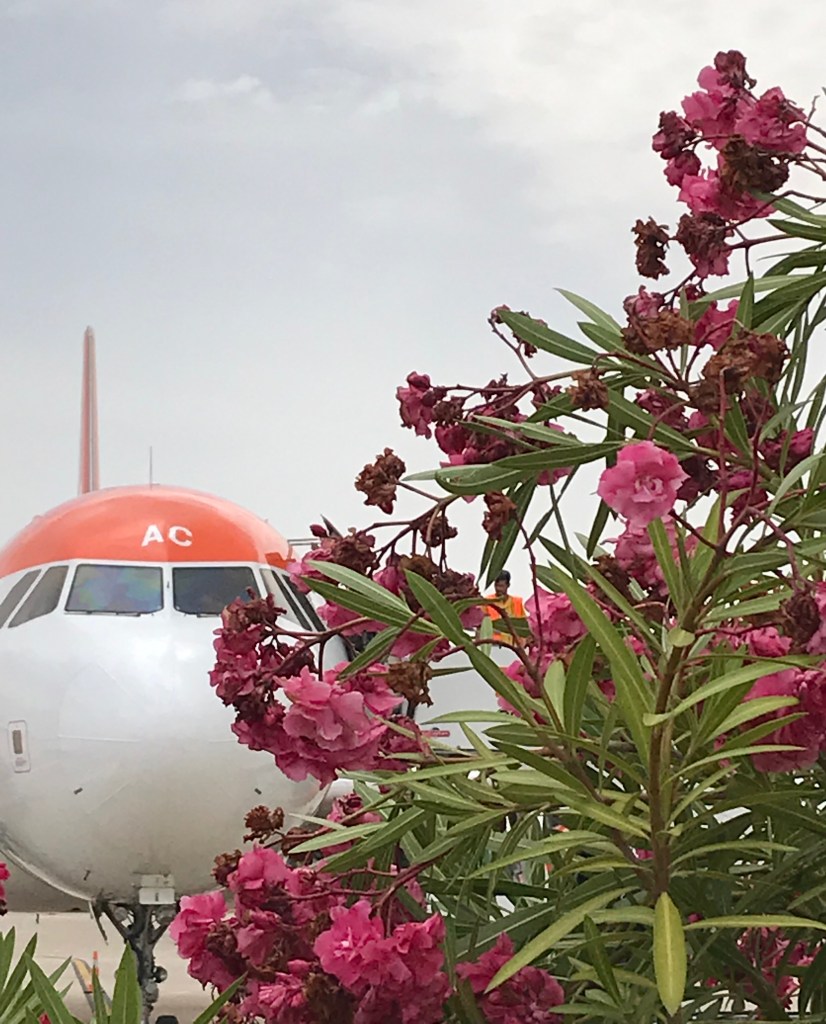
Well it’s not Gatwick is it? I love that you can step off a plane here straight into an oleander tree. In fact a long row of them.

Oleanders, or ‘adelfas’ as they are called in Spain, also run almost the whole length of the central reservation of the Seville to Cadiz motorway. They are not especially beautiful. But they are flamboyant, loud, honest and cheerful – a bit like the Spanish people (though of course many of them are beautiful too).

Oleanders are also toxic. The name is thought to derive from the Greek words ‘oliyo’ (I kill) and ‘aner’ (man). But they have been cultivated for millennia, especially among the civilisations of the Mediterranean basin.

Final thought: aren’t small airports wonderful?

Oh Focke

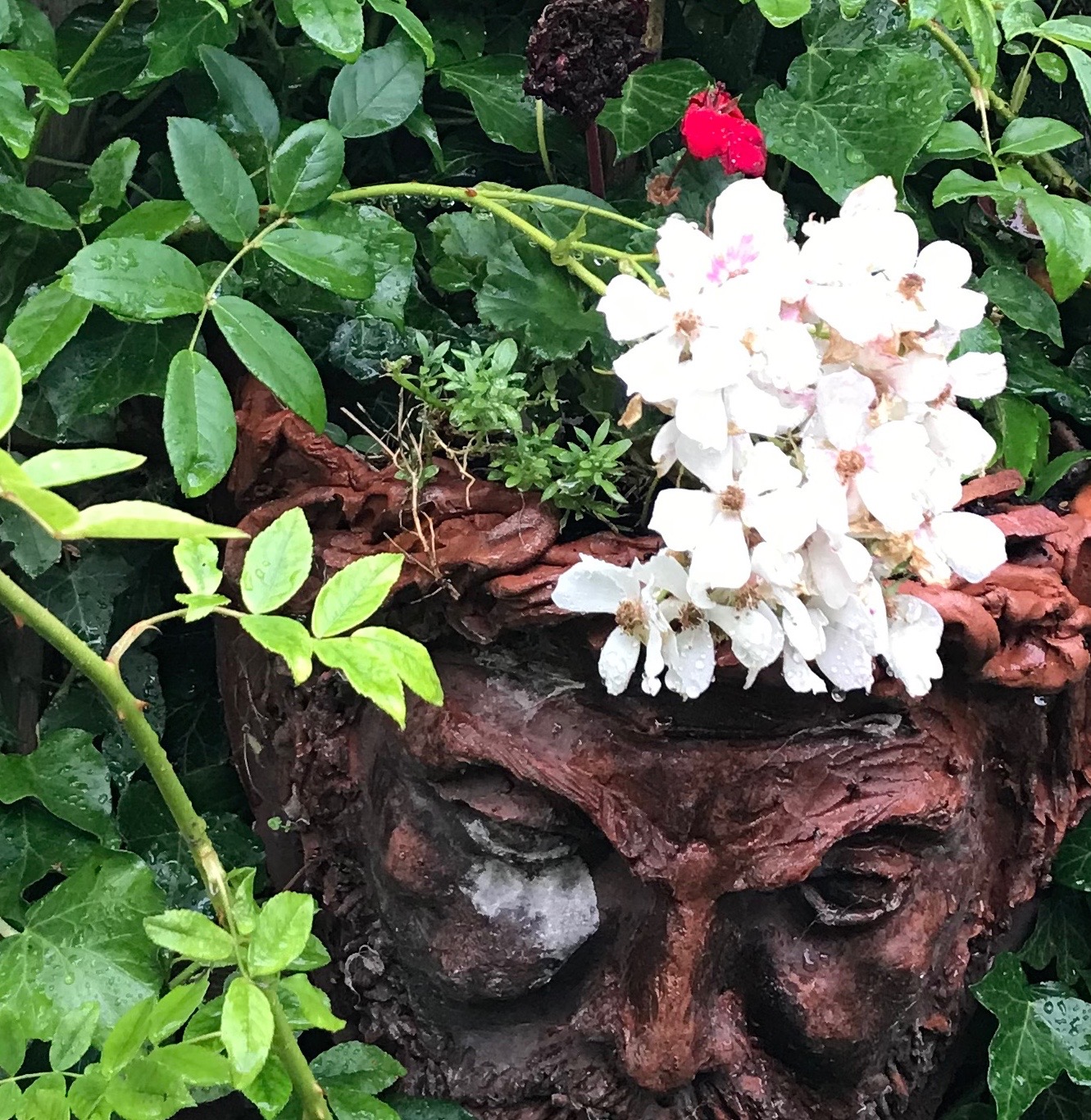
DAY 90 (4 JULY) – Blackberry bramble (Rubus gratus Focke) (Farnham Park)

I must have walked past these in Farnham Park so many times and never noticed. Strange that a vicious bramble should bring forth such delicate flowers in pastel shades – and later such delicious fruit. I like the sort of mixed media, vegan salad effect.

I can only think the Latin name was given when someone gathering blackberries got too close to a thorn.